If you’re dreaming of crisp, refreshing cucumber slices in your summer salads, fresh salsa, or cool drinks, mastering cucumber cultivation is a rewarding endeavor. Cucumber plants are fast‑growing, prolific, and surprisingly adaptable, but they do have specific needs and a few common pitfalls that can thwart even enthusiastic gardeners. In this guide, we’ll explore everything from selecting the right varieties to troubleshooting disease, pest, and nutrient problems, giving you the confidence to grow healthy, high‑yielding cucumbers in your backyard, raised beds, or containers.
Choosing the Right Cucumber Variety for Your Garden
Before you break out the seed packets, consider the growing conditions you can provide and the culinary uses you have in mind. Cucumber varieties fall into three primary categories:
1. Slicing Cucumbers
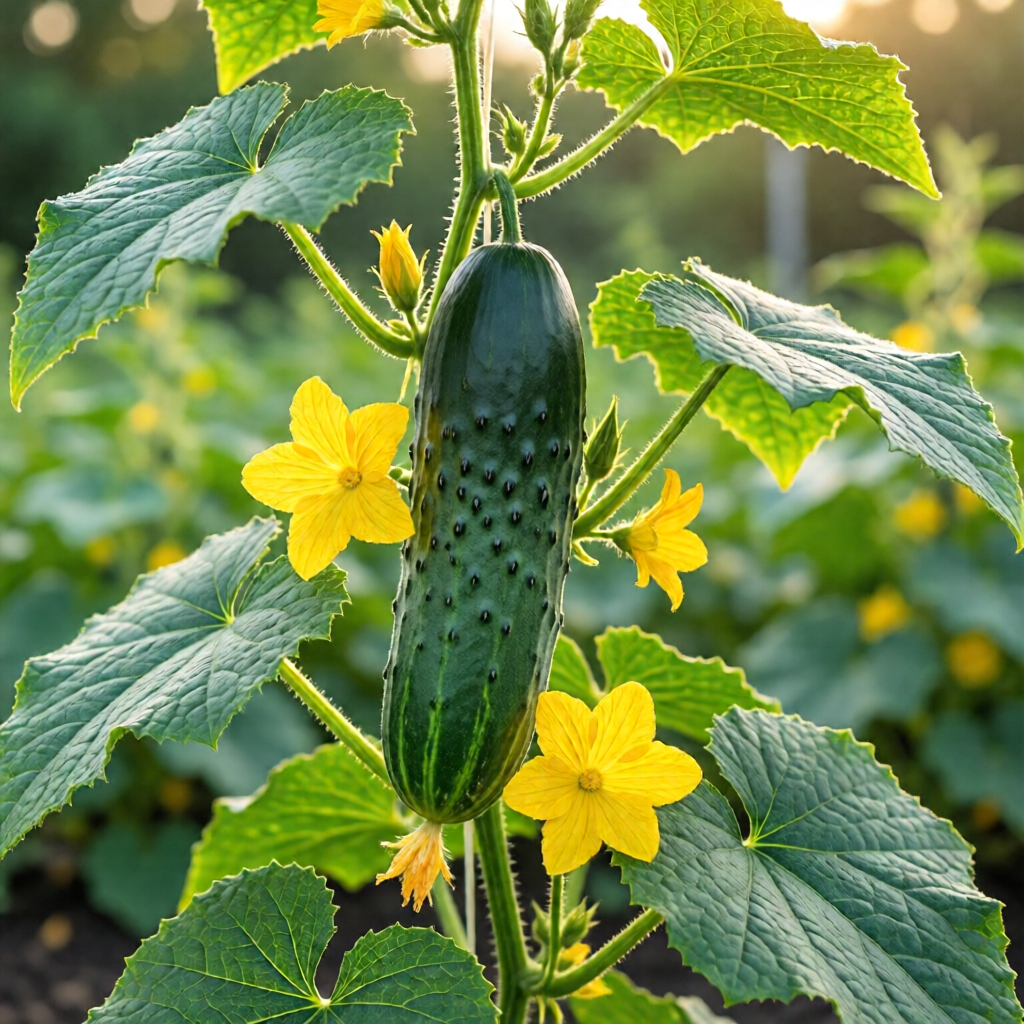
These are the classic, thick‑skinned cucumbers you’ll find in grocery stores. Varieties such as ‘Marketmore 76’ and ‘Lemon’ produce long, straight fruits that are perfect for fresh eating. They thrive in warm, sunny spots with well‑drained soil.
2. Pickling Cucumbers
Shorter, bumpier, and often more tender, pickling cucumbers like ‘National Pickling’ and ‘Boston Pickling’ are ideal for brining. They tend to be more disease‑resistant and can tolerate slightly cooler temperatures.
3. Burpless or Sweet Cucumbers
For those who experience the classic “cucumber gassiness,” burpless varieties such as ‘Sweet Success’ or ‘Sweet Slice’ have a lower cucurbitacin content, resulting in a milder flavor and smoother digestion.
When selecting seeds, check the seed packet for a recommended planting window for your USDA hardiness zone. For most of the United States, sowing after the last frost when soil temperatures reach at least 60°F (15.5°C) yields the best results.
Preparing the Soil for Optimal Growth
Cucumbers love loose, fertile soil that retains moisture without becoming waterlogged. A soil pH between 6.0 and 6.8 is ideal. Before planting, amend your garden bed with the following steps:
- Test the soil: Use a home testing kit or send a sample to a local extension service to gauge pH and nutrient levels.
- Incorporate organic matter: Add 2–3 inches of well‑composted manure or leaf mold to improve texture and nutrient content.
- Balance nutrients: For a nutrient‑rich mix, blend in a balanced granular fertilizer (10‑10‑10) at a rate of 1 lb per 100 sq ft, or use a slow‑release organic formula.
- Improve drainage: If your garden has heavy clay, mix in coarse sand or perlite to prevent water‑logged roots.
After amending, lightly tamp the soil and water it thoroughly to settle the amendments. This creates a stable, moisture‑retentive environment that encourages rapid root development.
Planting Techniques: Direct Sowing vs. Transplants
Both direct sowing and transplanting have their merits. Direct sowing mimics natural growth patterns, while transplants give you a head start in a controlled environment.
Direct Sowing
Plant seeds ½ inch deep, spacing them 12–18 inches apart in rows spaced 3–4 feet apart. If you prefer a staggered layout, plant seeds in a hill formation, placing 3–4 seeds per hill and spacing hills 4–5 feet apart. Thin seedlings to the strongest plant once they develop their first true leaf.
Transplanting Seedlings
Start seeds indoors 3–4 weeks before the last frost, using biodegradable peat pots to avoid disturbing the roots. Harden off seedlings for a week by exposing them to outdoor conditions gradually. Plant them at the same depth as they were in the pot, ensuring the soil around the roots is firmly packed.
Whether you sow directly or transplant, consider using mulch—such as straw or shredded leaves—to conserve moisture, suppress weeds, and keep the fruit clean.
Watering Practices That Keep Cucumbers Happy
Consistent moisture is crucial for cucumber quality. Irregular watering can cause bitter fruits, blossom end rot, or cracked cucumbers. Follow these guidelines:
- Frequency: Water deeply 1–2 times per week, depending on rainfall and temperature. In hot, dry periods, daily light watering may be necessary.
- Method: Apply water at the soil level using a soaker hose or drip irrigation. This keeps foliage dry, reducing the risk of fungal diseases.
- Quantity: Aim for 1–1.5 inches of water per week. Use a rain gauge or a simple ruler placed in the soil to monitor moisture levels.
- Mulch: A 2–3 inch layer of organic mulch reduces evaporation and creates a more uniform moisture environment.
Remember that cucumbers have shallow root systems; they respond best to frequent, even watering rather than occasional heavy soaking.
Fertilizing for Abundant Fruit Production
Feeding cucumbers correctly can dramatically increase yield. Here’s a fertilizing schedule that works for most garden situations:
Pre‑Planting
Incorporate a balanced fertilizer (10‑10‑10) into the soil at the recommended rate. This supplies essential macro‑nutrients for early growth.
Side‑Dressing
When vines begin to flower, side‑dress with a high‑potassium fertilizer (such as 5‑10‑20) to promote fruit set. Apply ¼ cup per 10‑foot row, working it into the soil around the base of the plant.
Organic Options
For gardeners preferring organic inputs, use well‑composted worm castings or a fish emulsion every two weeks. These provide a steady supply of nitrogen, phosphorus, and trace minerals.
Over‑fertilizing, especially with high nitrogen, can lead to lush foliage but few fruits. Balance is key: aim for a nitrogen‑phosphorus‑potassium ratio that supports both vegetative growth and fruit development.
Supporting Vines: Trellising and Training
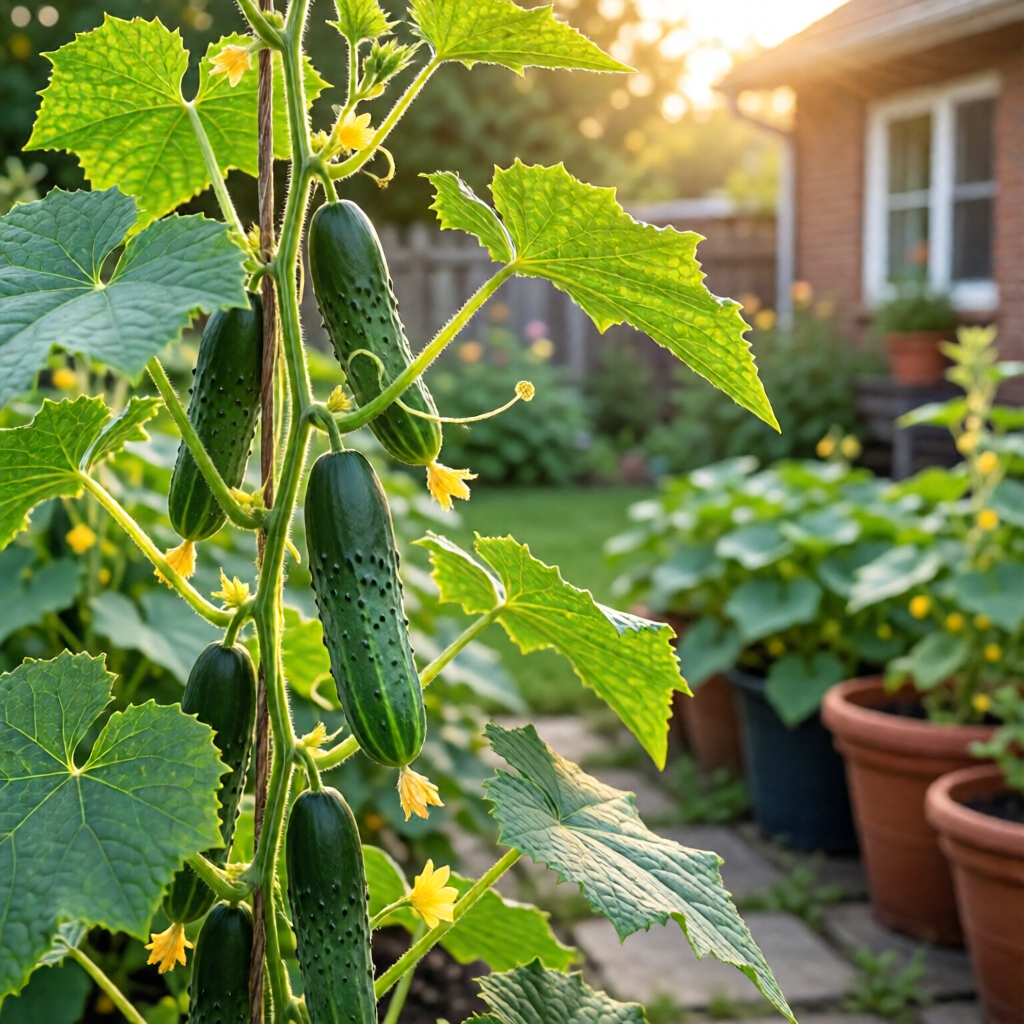
Most cucumber varieties are vining, and providing a support structure offers several benefits:
- Improved air circulation, reducing disease pressure.
- Easier harvesting, as fruits hang off the trellis.
- Better use of garden space, allowing vertical growth.
Common trellis options include:
Wire or String Trellis
Install a sturdy 4–6 foot tall wire fence or string system, spacing supports 2–3 feet apart. Guide vines to climb by gently tying them with soft garden twine.
Tomato Cages
Repurpose growing tomatoes in pots on balcony cages as cucumber supports. Ensure the cage is at least 5 feet tall to accommodate long vines.
Vertical Netting
Heavy‑duty garden netting attached to posts provides a flexible climbing surface that can be adjusted as vines grow.
When training vines, remove any lateral shoots that develop below the trellis level; these can divert energy away from fruit production.
Common Cucumber Problems and How to Solve Them
Even the most diligent gardener can encounter issues. Below are the most frequent problems, their symptoms, and effective remedies.
1. Powdery Mildew
White, powdery patches appear on leaves, especially in humid conditions. If left untreated, the disease can weaken plants and reduce yields.
Management: Apply a sulfur‑based fungicide or a homemade solution of 1 tablespoon baking soda, 1 teaspoon liquid soap, and 1 gallon water. Spray early in the morning, covering both tops and undersides of leaves. Increase airflow by thinning foliage and ensuring proper spacing.
2. Downy Mildew
Yellowing leaves with a fuzzy gray‑green growth on the undersides indicate downy mildew. It thrives in cool, moist evenings.
Management: Use a copper‑based fungicide and water at the base of the plants, avoiding leaf wetting. Rotate crops and avoid planting cucumbers in the same spot for at least three years.
3. Cucumber Beetles
Striped or spotted beetles chew holes in leaves and can transmit bacterial wilt. Look for tiny black beetles with yellow stripes or white spots.
Control: Hand‑pick beetles and drop them into soapy water. Use row covers early in the season to keep beetles out. For larger infestations, apply neem oil or a pyrethrin spray, following label directions.
4. Blossom End Rot
Dark, sunken spots at the blossom end of the fruit signal calcium deficiency, often exacerbated by inconsistent watering.
Prevention: Maintain steady soil moisture and apply calcium nitrate or a calcium‑rich fertilizer at fruit set. Mulching helps regulate moisture levels.
5. Bitter or Gassy Cucumbers
High levels of cucurbitacin cause bitterness and gas. This can be triggered by stress such as heat, drought, or nutrient imbalance.
Solution: Plant burpless varieties, keep soil consistently moist, and avoid excessive nitrogen. Harvest fruits when they reach full size but before they become over‑mature.
Integrated Pest Management (IPM) Strategies
IPM combines cultural, biological, and chemical controls to keep pest populations below damaging levels while minimizing environmental impact.
- Crop Rotation: Rotate cucumbers with non‑cucurbit crops (e.g., beans, corn) each season to break pest cycles.
- Companion Planting: Plant marigolds, nasturtiums, or radishes near cucumbers to deter beetles and attract beneficial insects.
- Biological Controls: Release predatory insects such as lady beetles and lacewings to keep aphids and whiteflies in check.
- Physical Barriers: Use floating row covers to protect seedlings from insects while still allowing light and air flow.
- Targeted Sprays: When needed, apply the lowest‑toxicity pesticide (e.g., neem oil) only to affected areas, and always follow the label.
By integrating these tactics, you can maintain a healthy garden ecosystem and reduce reliance on synthetic chemicals.
Harvesting and Storing Your Cucumbers
Timing is crucial for flavor and texture. Harvest cucumbers when they reach the recommended size for the variety—usually 6–8 inches for slicing types and 3–4 inches for pickling types. Use a sharp knife or garden shears to cut the fruit from the vine, leaving a short stem attached to avoid bruising.
After harvesting, store cucumbers in a cool, high‑humidity environment (around 50°F/10°C) to prolong freshness. Placing them in a perforated plastic bag in the refrigerator’s crisper drawer works well. Avoid storing cucumbers near ethylene‑producing fruits like bananas, as they can cause cucumbers to become bitter faster.
Extending the Cucumber Season
In cooler climates or for a longer harvest window, consider these techniques:
- Cold Frames: Cover plants with a low‑profile greenhouse structure to protect them from early frosts.
- Row Covers: Use lightweight fabric to retain warmth while allowing pollinators access.
- Succession Planting: Plant a new batch of seeds every 2–3 weeks throughout the growing season.
- Indoor Growing: Grow compact varieties in containers under grow lights for year‑round production.
These methods can add several weeks of productive growth, ensuring you enjoy fresh cucumbers well into the fall.
Companion Planting: Boosting Cucumber Health Naturally
Strategic planting can improve cucumber vigor and deter pests. Some proven companions include:
- Radishes: Planted alongside cucumbers, radishes deter cucumber beetles and can be harvested early.
- Marigolds: Their strong scent repels nematodes and many insects.
- Basil: Enhances flavor and attracts beneficial pollinators.
- Beans: Fix nitrogen in the soil, benefiting cucumber growth.
When planning your garden, allocate space for these companions, ensuring they don’t compete for excessive nutrients or sunlight. For more ideas on planting strategies, explore our guide on outdoor planter ideas for front porch.

Special Considerations for Container and Balcony Growing
Many urban gardeners grow cucumbers in pots, raised beds, or on balconies. Here are key tips for success in limited spaces:
- Choose Compact Varieties: ‘Spacemaster’ and ‘Patio Snacker’ are bred for container growth.
- Use Deep Containers: Minimum 12‑inch depth to accommodate root systems.
- Provide Support: Install a small trellis or stakes within the pot to keep vines upright.
- Consistent Watering: Containers dry out faster; a drip system or self‑watering pot helps maintain moisture.
- Fertilize Regularly: Use a balanced liquid fertilizer every two weeks to replace nutrients flushed out during watering.
For more container ideas, you might also like our article on growing tomatoes in pots on balcony, which shares many overlapping techniques.
When to Seek Professional Help
While most cucumber issues can be resolved with diligent care, severe disease outbreaks or persistent pest problems may require expert intervention. Contact your local cooperative extension office for soil tests, disease diagnostics, and region‑specific recommendations. Professional advice is especially valuable if you notice wilted vines with no obvious cause, as this could indicate bacterial wilt, a disease with limited treatment options.
Recap: Your Action Plan for Thriving Cucumbers
To summarize, follow these steps for a bumper cucumber harvest:
- Pick a variety suited to your climate and culinary goals.
- Prepare a well‑drained, nutrient‑rich soil with a pH of 6.0–6.8.
- Plant seeds or transplants with proper spacing and use mulch.
- Provide consistent, deep watering at the soil level.
- Fertilize with a balanced program, emphasizing potassium at fruit set.
- Install a trellis or support system to improve airflow.
- Monitor for powdery mildew, downy mildew, beetles, and blossom end rot, and act promptly.
- Implement IPM strategies and companion planting for natural pest control.
- Harvest regularly, store properly, and extend the season with covers or succession planting.
With these practices, you’ll enjoy crisp, flavorful cucumbers from early summer through the first frost.
Additional Resources for the Passionate Gardener
Our garden community offers a wealth of detailed guides to deepen your horticultural knowledge:
- Explore heirloom tomato varieties to grow for companion planting ideas.
- Learn how to grow herbs at home outdoors to complement your cucumber dishes.
- Check out our fiddle leaf fig care guide for indoor plant care inspiration.
What soil pH is best for growing cucumbers?
Cucumbers thrive in slightly acidic to neutral soil, with a pH between 6.0 and 6.8. Adjust the pH with lime to raise it or elemental sulfur to lower it, based on a soil test.
How often should I water cucumber plants?
Provide 1–1.5 inches of water per week, applying it at the soil level with a drip system or soaker hose. Keep the soil consistently moist but avoid waterlogging.
What are the signs of powdery mildew on cucumbers?
White, powdery spots appear on the upper leaf surfaces, often spreading to the undersides. In humid conditions, the disease can quickly cover foliage and reduce yields.
Can I grow cucumbers in containers on a balcony?
Yes. Choose compact varieties like ‘Spacemaster’, use a deep (12‑inch) pot with good drainage, provide a small trellis, and water consistently. Fertilize with a balanced liquid feed every two weeks.
How do I prevent bitter or gassy cucumbers?
Plant burpless varieties, maintain even soil moisture, avoid excess nitrogen, and harvest fruits before they become over‑mature. Stressful conditions like heat or drought increase bitterness.