When you look at a well‑designed garden, the first thing that often catches the eye isn’t the flowers or the shrubs, but the clean, intentional line that frames the space. Garden borders are the unsung heroes that define pathways, protect delicate plantings, and add visual interest to the edges of beds, lawns, and hardscapes. Whether you’re a seasoned horticulturist or a weekend DIY enthusiast, choosing the right border ideas for edges can transform a chaotic plot into a cohesive, inviting oasis. In this guide, we’ll explore classic and contemporary border materials, creative low‑maintenance options, design tips for various garden styles, and practical, budget‑friendly solutions that work across the United States’ diverse climates.
Understanding the Role of Garden Borders
Garden borders serve multiple functions beyond mere aesthetics. They act as a barrier that keeps mulch from spilling onto walkways, prevent grass from invading flower beds, and protect tender perennials from the harsh edges of a lawn. Moreover, borders can guide the eye, leading visitors through a garden’s narrative—from a bright, sunny border of lavender that greets you at the gate to a subtle stone edging that subtly delineates a tranquil seating area. When planning borders, consider the overall flow of traffic, the types of plants you’ll be supporting, and the maintenance level you’re comfortable with. A well‑chosen border can reduce weeding time by up to 30 % and improve soil health by containing organic matter where it belongs.
Classic Border Materials and Their Benefits
Stone and Rock Borders
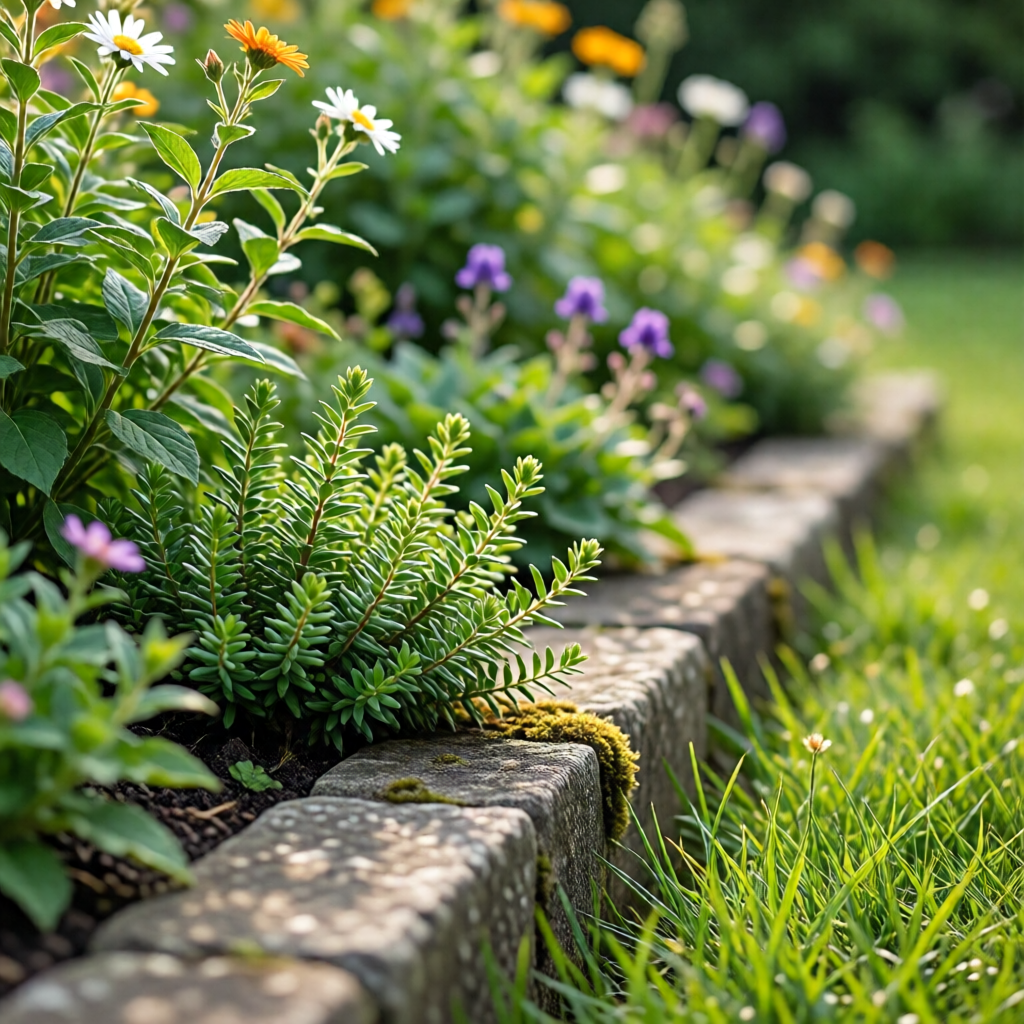
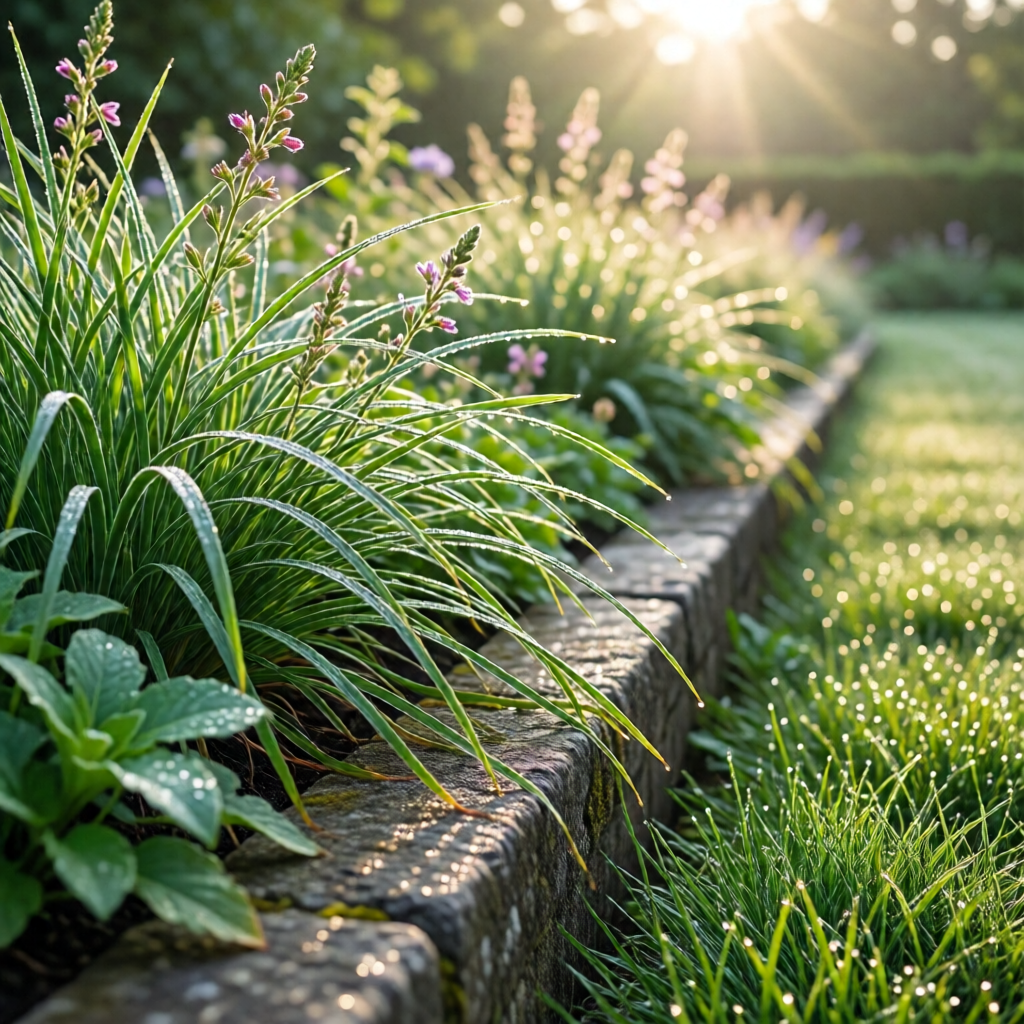
Natural stone offers timeless elegance and durability, making it a favorite for both traditional and modern gardens. Whether you opt for flat flagstones, irregular river rocks, or stacked boulders, stone provides a sturdy edge that resists weathering and requires minimal upkeep. In regions with freeze‑thaw cycles, such as the Midwest, selecting a dense stone like granite or basalt helps prevent cracking. To create a seamless stone border, dig a shallow trench, lay a compacted base of sand or gravel, and set each stone snugly, filling gaps with mortar or sand for added stability.
Brick and Paver Edging
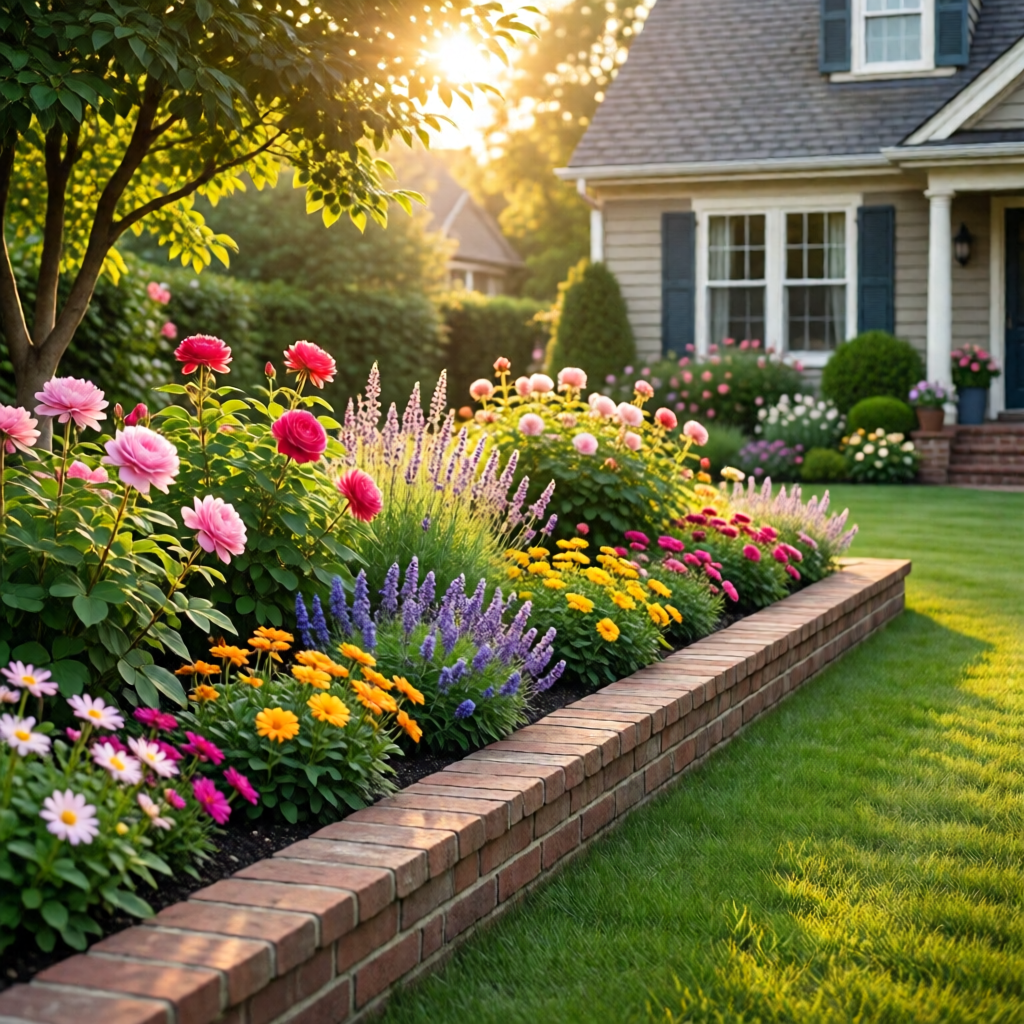
Brick and concrete pavers combine classic charm with modular flexibility. They’re especially popular for creating crisp, geometric lines in formal gardens or for defining raised beds. Interlocking paver systems can be installed without mortar, allowing for easy removal and reconfiguration—a boon for gardeners who like to experiment with layout. In the southern U.S., where heat can cause expansion, choosing a paver with a high thermal coefficient helps prevent warping. Adding a thin border of sand or polymeric jointing material between pavers enhances drainage and reduces weed intrusion.
Wood and Log Borders
For a rustic, natural look, wooden borders—whether fashioned from reclaimed barn boards, cedar slats, or bundled logs—bring warmth and texture to garden edges. Wood is especially suitable for raised beds, as it can double as a structural support. To extend the lifespan of wooden borders, treat them with a non‑toxic, water‑based sealant and ensure proper drainage to avoid rot. In the Pacific Northwest, cedar’s natural resistance to decay makes it a reliable choice, while in dryer climates, pressure‑treated pine can provide a cost‑effective alternative.
Creative Low‑Maintenance Border Ideas
Living Borders with Perennials
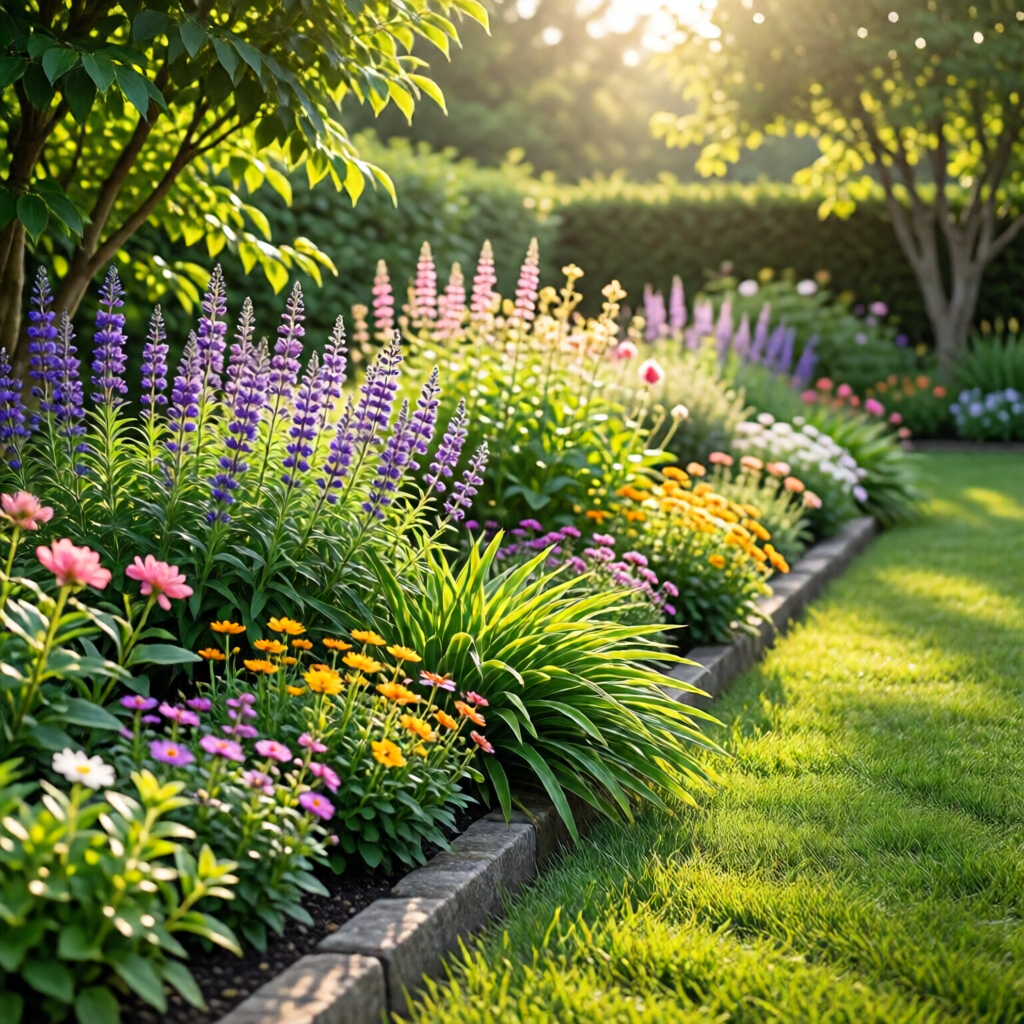
Living borders—also known as hedgerows or soft edges—use clumping perennials and grasses to create a dynamic, ever‑changing line. Plants like lavender, ornamental grasses, and dwarf coneflowers grow densely enough to suppress weeds while adding color and fragrance. Because these plants are alive, they self‑repair after damage and can adapt to seasonal shifts, reducing the need for artificial edging materials. Pair a low‑maintenance groundcover such as creeping thyme with taller perennials for a layered effect that stays tidy year after year.
Mulch and Gravel Mixes
Combining organic mulch with decorative gravel creates a functional edge that balances moisture retention with excellent drainage. A thin layer of crushed granite or pea gravel placed over a weed‑suppressing fabric can protect mulch from being washed away during heavy rains—a common concern in the eastern U.S. This hybrid approach also offers a clean, modern look while allowing gardeners to replace the mulch annually without disturbing the underlying gravel, keeping maintenance tasks quick and straightforward.
Recycled Materials and Upcycled Edging
Eco‑conscious gardeners are turning to recycled materials such as reclaimed concrete chunks, old bottle caps, or even repurposed metal pallets for edging. These options not only reduce waste but also add a unique, artistic flair to garden borders. For instance, stacking reclaimed concrete pavers in a staggered pattern can mimic a natural stone wall while keeping costs low. When using metal pallets, ensure they are rust‑free or treat them with a protective coating to withstand the elements.
Designing Borders for Different Garden Styles
Cottage Garden Edges
Cottage gardens thrive on a romantic, informal feel, and their borders should reflect that charm. Curved, uneven stone or low wooden rails topped with a mix of blooming perennials such as foxglove, hollyhocks, and sweet peas create a whimsical edge. Incorporating a mixture of textures—soft foliage beside rough stone—enhances visual interest and invites pollinators, making the border both beautiful and functional.
Modern Minimalist Borders
In a modern garden, less is more. Clean, straight lines of metal or concrete edging provide a sleek backdrop for architectural plantings like agaves, ornamental grasses, and sculptural succulents. Choose a low‑profile metal edging in brushed steel or matte black to complement the minimalist aesthetic while ensuring the border remains durable against foot traffic and weather.
Mediterranean and Xeriscape Edging
For drought‑tolerant gardens typical of the Southwest, consider using terracotta tiles, decomposed granite, or river rock as edging. These materials reflect the warm, earthy tones of Mediterranean landscapes and promote excellent drainage. Pair the edging with drought‑resistant plants such as lavender, rosemary, and sage to create a cohesive, low‑water garden that thrives under full sun.
Japanese Garden Borders
Japanese garden design emphasizes harmony, simplicity, and natural materials. A subtle border of smooth river stones or low bamboo fencing can delineate pathways without disrupting the garden’s flow. For inspiration on integrating these elements into compact spaces, explore japanese garden ideas for small spaces, which showcase how understated edging can enhance tranquility.
Practical Tips for Installing and Maintaining Borders
Planning and Measuring
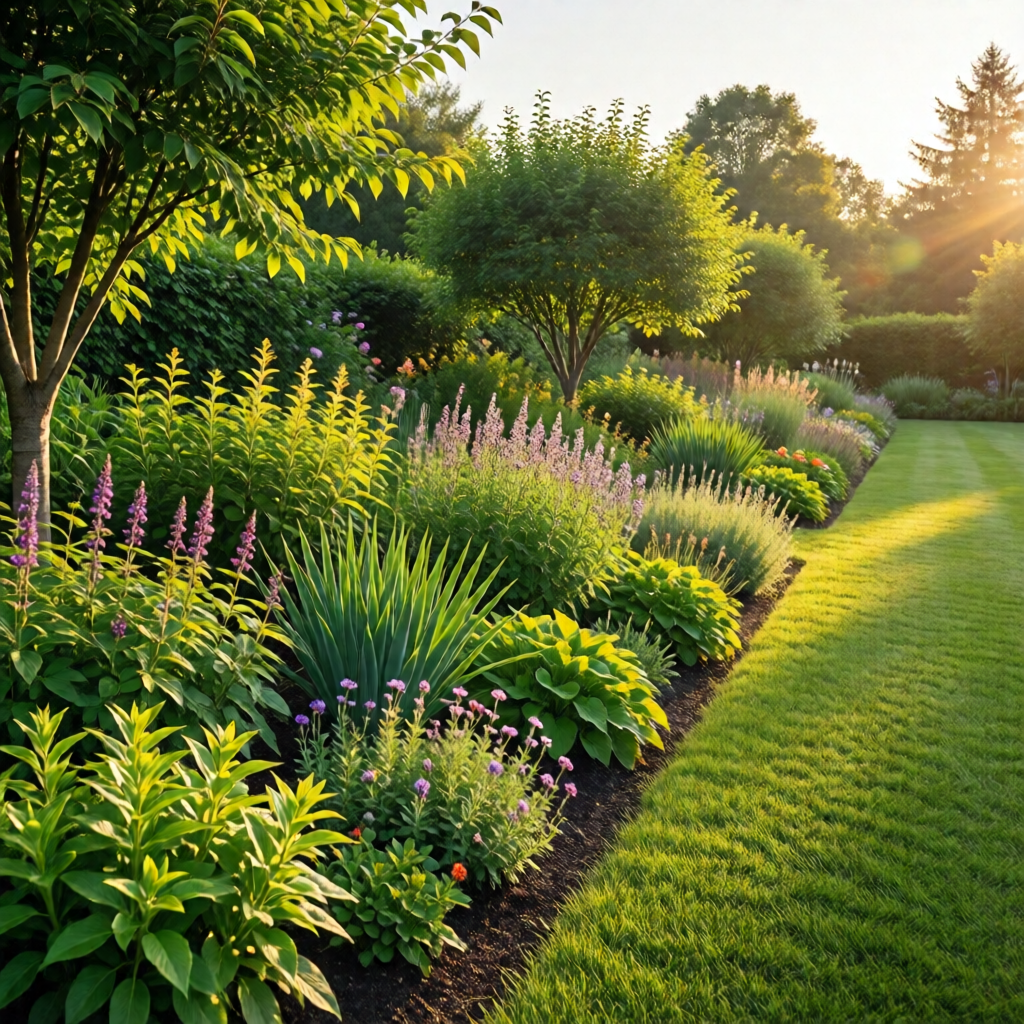
Before you break ground, map out your garden’s perimeter using a garden hose or string line. Measure the length of each edge to calculate material needs accurately—over‑ordering can lead to unnecessary expense, while under‑ordering may cause delays. Mark the intended border line with spray paint or small stakes, ensuring a straight or intentionally curved path as your design dictates.
Soil Preparation and Drainage
A solid foundation is essential for any border. Excavate a shallow trench—typically 4–6 inches deep—along the marked line, and loosen the soil to improve drainage. If you’re installing stone or brick, add a 2‑inch layer of compacted crushed stone or sand at the base. This layer prevents settling and provides a stable platform for the edging material.
Installing Different Materials
For wooden borders, stake the boards directly into the ground using galvanized screws, ensuring they sit flush with the soil surface. When laying brick or paver edging, use a rubber mallet to tap each piece into place, maintaining a tight joint. Stone borders may require a mortar mix for a permanent bond, especially in high‑traffic areas. Always double‑check levelness as you go to avoid uneven edges that can trap water.
Seasonal Maintenance Checklist
Regular upkeep prolongs the life of your garden borders. In early spring, inspect for any displaced stones or cracked pavers and reset them before heavy foot traffic resumes. Summer is ideal for cleaning debris and reseeding any gaps in living borders. In autumn, remove fallen leaves that can smother mulch or promote fungal growth, and apply a fresh layer of mulch or gravel as needed. Finally, a winter check for frost heave—particularly in colder regions—helps you address any shifting before the growing season begins.
Budget‑Friendly Border Solutions
Creating attractive garden edges doesn’t have to break the bank. With a bit of creativity and some DIY spirit, you can achieve professional‑looking borders on a modest budget. Below are three cost‑effective strategies that work well across the United States, from the rainy Pacific Northwest to the arid Southwest.
DIY Concrete Blocks
Concrete garden blocks are inexpensive, widely available at home‑improvement stores, and come in a variety of shapes and colors. Stack them in a staggered pattern to create a raised border that doubles as a low retaining wall. Fill the interior with soil and plant low‑maintenance groundcovers like sedum for added visual interest. A simple sealant can protect the blocks from moisture and staining.
Using Recycled Materials
Look around your property or local community for free or low‑cost materials. Old tires, broken pallets, or discarded bricks can be repurposed into unique edging. For example, half‑buried tires create a circular border that works well around flower beds, while pallet slats can be nailed together to form a rustic fence. Always ensure reclaimed wood is free of chemicals and treat metal pieces to prevent rust.
Leveraging Existing Landscape Features
Sometimes the best border is already in place. Natural stone outcrops, a line of mature trees, or a garden path can serve as a functional edge with little to no additional cost. Enhance these features with a thin strip of mulch or a low‑profile metal edging to define the boundary more clearly. This approach not only saves money but also maintains the organic feel of your garden.
Integrating Borders with Plantings and Hardscape
The most successful garden edges blend seamlessly with surrounding plantings and hardscape elements. Use borders to frame focal points such as a water feature, a statue, or a vibrant flower mass. Pair a stone border with a pollinator garden design plan to guide bees and butterflies along a defined path, enhancing both aesthetics and ecosystem health. When working with a limited budget, consider a front yard garden design on a budget that incorporates inexpensive edging materials, ensuring a cohesive look without overspending.
Remember, the key to effective garden borders is harmony: the material, height, and style should complement the plants they protect while reinforcing the overall design theme. By thoughtfully selecting and installing your edges, you’ll enjoy a garden that feels both organized and inviting, season after season.
What are the most durable materials for garden borders?
Stone, brick, and concrete pavers are among the most durable options, offering longevity even in harsh weather conditions. Proper installation with a solid base helps prevent shifting and cracking.
How can I create a low‑maintenance border on a tight budget?
Use reclaimed materials such as old pallets, broken bricks, or DIY concrete blocks. Pair these with hardy groundcovers like sedum or creeping thyme to reduce upkeep.
Are living borders better than hard edging for weed control?
Living borders made of dense perennials can suppress weeds effectively while adding color and habitat for pollinators, but they require initial planting and occasional trimming.
What border style works best for a small urban garden?
A thin metal or low brick edging provides a clean, space‑saving line that works well in compact settings. Pair it with vertical planting or a raised bed for added impact.
How do I maintain stone borders during winter?
Inspect for frost heave, reposition any displaced stones, and clear snow or ice buildup promptly. Applying a breathable sealant can also help protect against moisture infiltration.
1 réflexion au sujet de « Garden Border Ideas For Edges – Expert Guide and Ideas »