When you picture a perfect backyard oasis, a charming gazebo often takes center stage. Whether you crave a quiet reading nook, an elegant space for al fresco dining, or a stylish backdrop for garden parties, the right gazebo design can transform any yard into a functional work of art. In this comprehensive guide, we’ll explore a wealth of garden gazebo ideas and designs, from classic timber structures to sleek modern canopies, while offering practical tips, expert advice, and actionable steps to help you plan, build, and maintain a stunning outdoor retreat that reflects your personal style and enhances your home’s curb appeal.
Choosing the Right Gazebo Style
Selecting a gazebo style that complements your home’s architecture and landscape is the foundation of a successful project. While aesthetics are essential, consider how you’ll use the space, the climate in your region, and the level of maintenance you’re comfortable with. Below, we break down the most popular design categories and the key factors that influence each choice.
Traditional vs Modern Designs
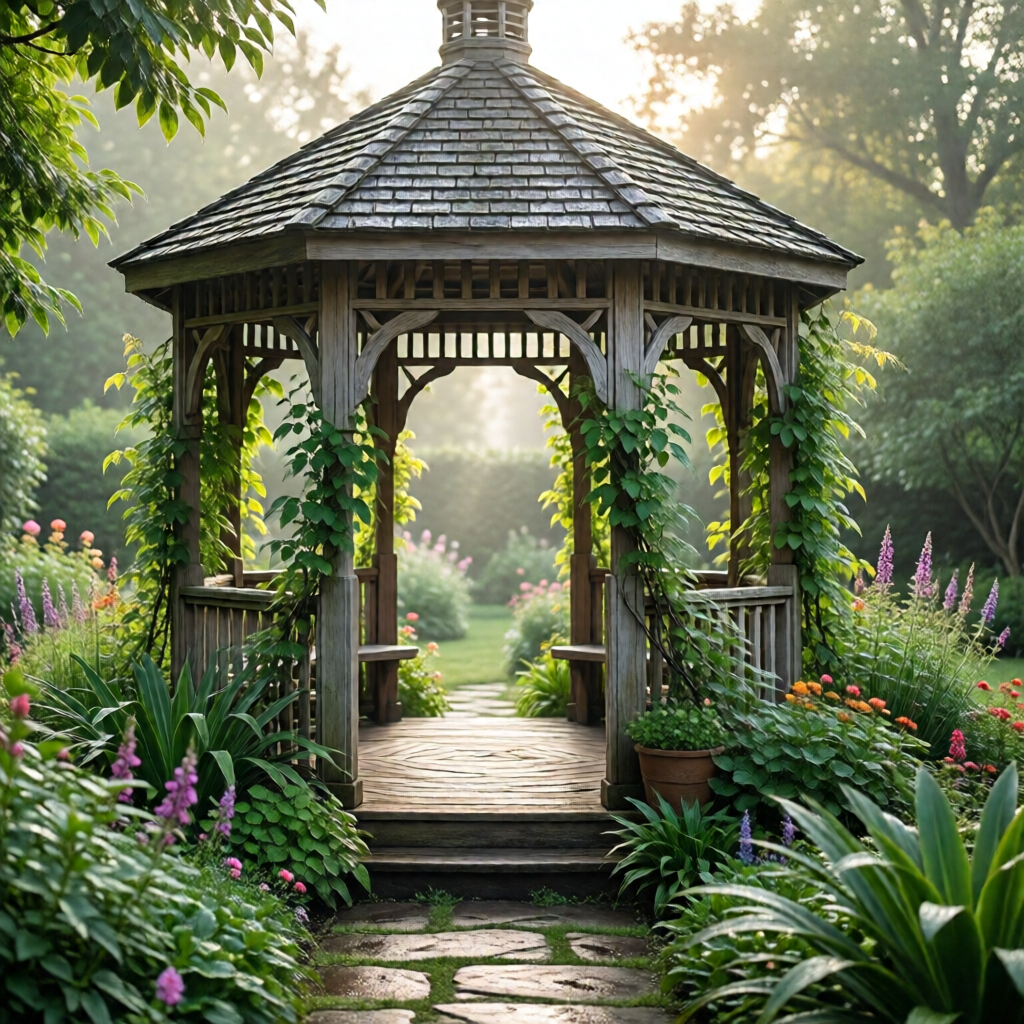
Traditional gazebos often feature timber frames, ornate latticework, and pitched roofs reminiscent of Victorian-era garden pavilions. These designs evoke a sense of romance and nostalgia, making them ideal for cottage‑style gardens, historic homes, or any setting where you want to create a timeless feel. In contrast, modern gazebos embrace clean lines, minimal ornamentation, and contemporary materials such as steel, aluminum, or polycarbonate panels. Their sleek silhouettes blend seamlessly with minimalist landscapes, coastal retreats, or urban backyards that favor simplicity over embellishment.
When deciding between traditional and modern, ask yourself which architectural language resonates most with you. If your home boasts classic columns and clapboard siding, a timber gazebo with a shingled roof will harmonize beautifully. Conversely, if you have a sleek, flat‑roofed house with large glass windows, a steel pergola‑style gazebo with a transparent roof can create a cohesive look that feels both expansive and inviting.
Materials Matter
Material selection impacts durability, maintenance, cost, and overall aesthetic. Below is a quick guide to the most common gazebo materials:
- Wood: Offers natural warmth and adaptability for intricate detailing. Cedar, redwood, and pressure‑treated pine are popular choices due to their resistance to rot and insects. Wood requires periodic sealing, staining, or painting to protect against the elements.
- Metal: Aluminum and steel provide strength and longevity with minimal upkeep. Aluminum is lightweight, rust‑proof, and easy to assemble, while steel offers a more industrial look and can support heavier roofing materials.
- Vinyl: Low‑maintenance and resistant to moisture, vinyl gazebos are a budget‑friendly option. However, they lack the classic charm of wood and may not blend as seamlessly with natural surroundings.
- Composite: Combining wood fibers with plastic, composites mimic the appearance of timber while offering enhanced durability and reduced maintenance.
- Polycarbonate or Glass: For modern designs seeking abundant natural light, clear or frosted polycarbonate panels allow sunlight while protecting against UV damage. Tempered glass roofs create a luxurious, open feel but require a sturdy frame.
Consider the climate of your region when choosing materials. In humid, rainy areas, metal frames with rust‑proof coatings or composite lumber can outperform untreated wood. In sunny, dry locales, a wooden gazebo with a high‑quality sealant will age gracefully while providing a warm aesthetic.
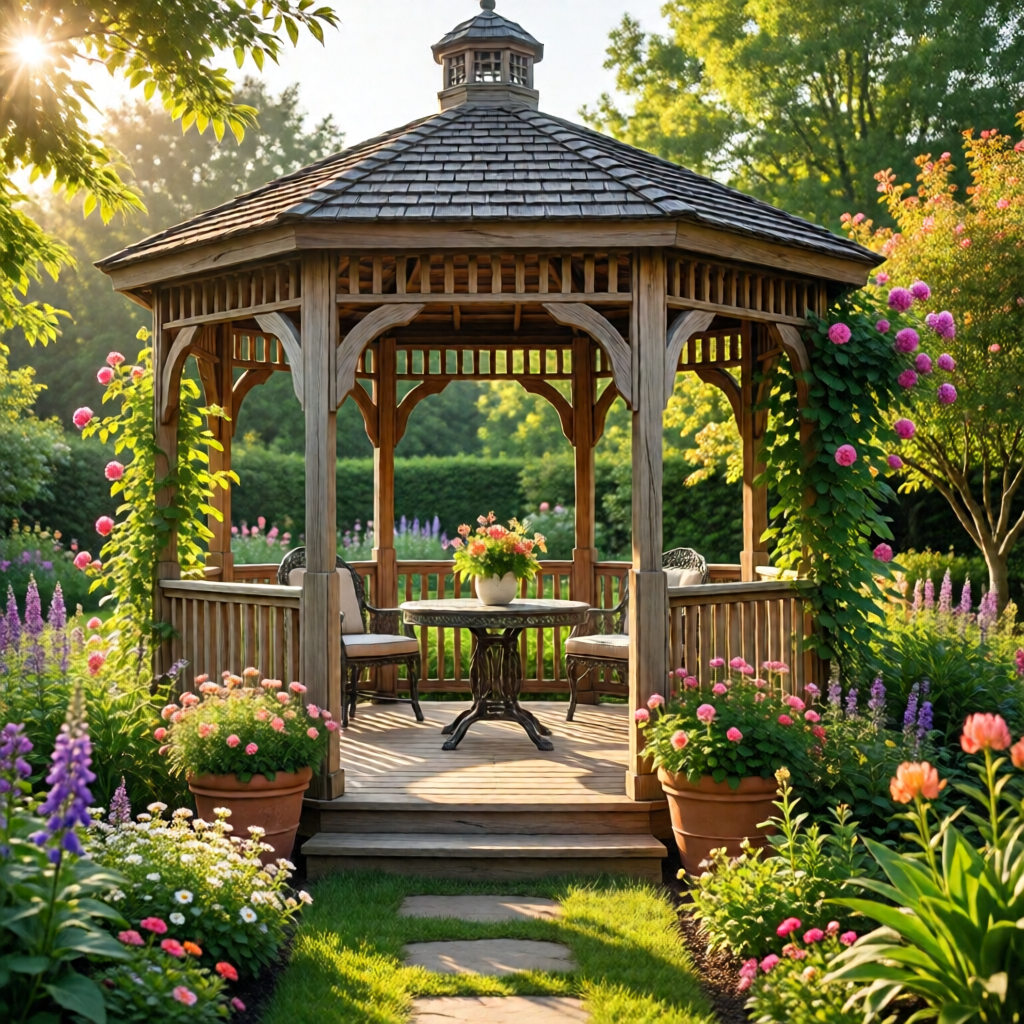
Location and Placement Tips
Where you place your gazebo determines how it will function within your garden and influences the overall flow of outdoor spaces. A well‑situated gazebo can become a focal point, improve sightlines, and even enhance the health of surrounding plants by providing shade or wind protection.
Sunlight, Wind, and Soil Considerations
Begin by observing your yard at different times of day. Note where the sun rises and sets, where shade naturally falls, and where wind gusts are strongest. If you envision using the gazebo for morning coffee, position it where gentle sunlight filters in without overheating the space. For evening gatherings, orient the entrance toward the west to capture sunset hues.
Wind can be both a friend and foe. A breezy location may be ideal for cooling during hot summer evenings, but strong, persistent winds can damage lightweight roofing and make the space uncomfortable. Installing windbreaks—such as a row of evergreen shrubs or a decorative fence—can mitigate this issue while adding visual interest. For guidance on creating natural windbreaks, explore garden fence decorating ideas that double as functional barriers.
Soil quality matters if you plan to anchor the gazebo with concrete footings or a wooden deck. Conduct a simple soil test to assess drainage and pH levels. Well‑draining soil will prevent water from pooling around the foundation, extending the lifespan of your structure.
Integrating with Existing Landscape
Harmony between your gazebo and existing garden elements is essential for a cohesive design. Map out nearby features such as flower beds, mature trees, pathways, and water features. Ideally, the gazebo should sit on a clear, level area that doesn’t obstruct existing views or disrupt the flow of traffic. If you have a privacy hedge, consider placing the gazebo adjacent to it for natural seclusion. For inspiration on using hedges effectively, see privacy hedge ideas for backyard.
Pathways leading to the gazebo should be inviting and accessible. Use stepping stones, gravel, or decorative pavers that complement the gazebo’s style. For a whimsical touch, line the path with low‑lighted lanterns or integrate a small butterfly garden—check out butterfly garden design layout for planting ideas that attract pollinators and add color.
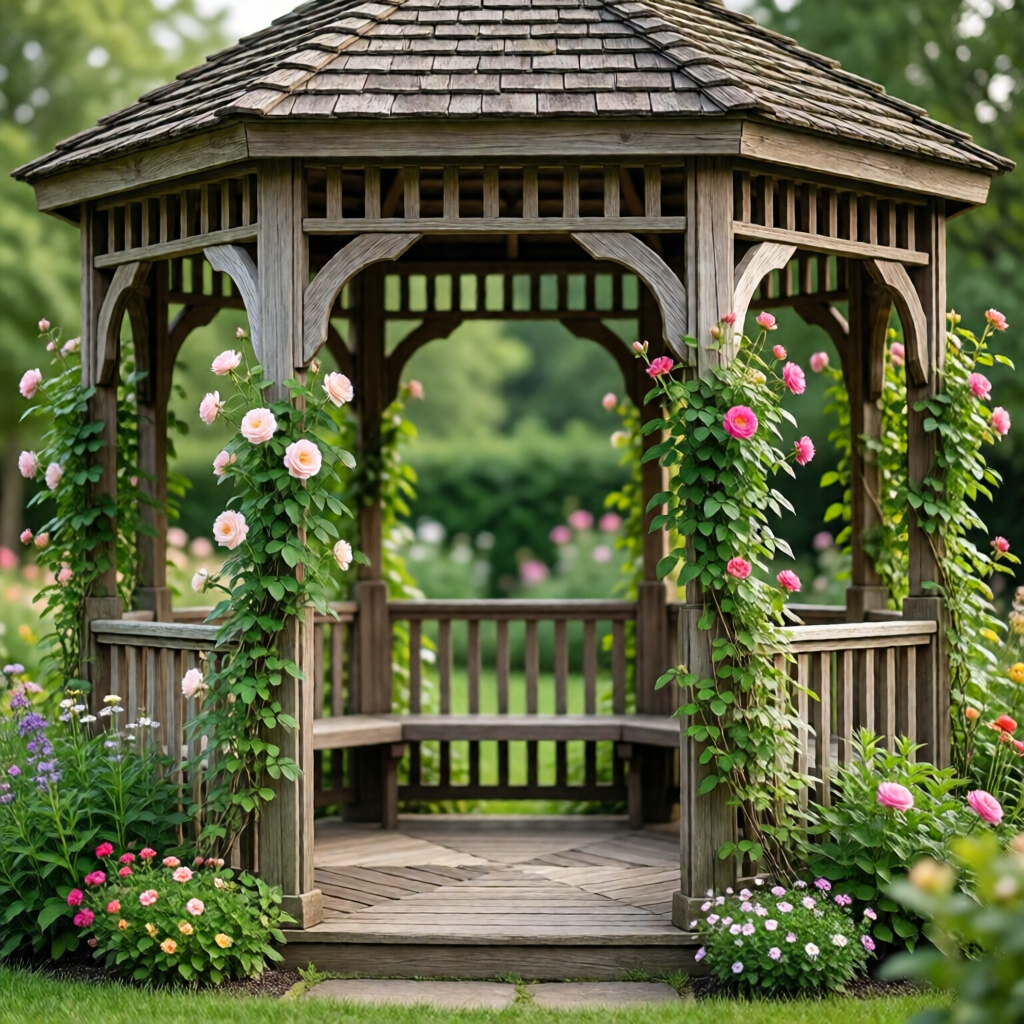
Design Features to Elevate Your Gazebo
Beyond the basic frame and roof, thoughtful design elements can transform a functional shelter into a luxurious outdoor living space. Below we explore key features that enhance comfort, aesthetics, and usability.
Roof Styles and Ventilation
The roof is the most visible component of any gazebo, influencing both style and climate control. Traditional pitched roofs with shingles or thatch convey a classic feel, while flat or low‑slope roofs with polycarbonate panels offer a contemporary look and allow sunlight to filter through.
Ventilation is crucial for preventing heat buildup on hot days. Consider incorporating operable louvered panels, skylights, or a central cupola that can open to release warm air. For a dramatic effect, install a series of decorative vented arches that double as artistic accents while promoting airflow.
Seating and Flooring Options
Comfortable seating invites guests to linger. Options range from built‑in benches upholstered with weather‑resistant cushions to freestanding Adirondack chairs, swing seats, or a low coffee table set for casual gatherings. If you enjoy dining al fresco, a sturdy dining table with bench seating creates a communal atmosphere.
Flooring sets the tone for the entire gazebo. Popular choices include:
- Decking Boards: Treated wood or composite decking provides a warm, natural feel and can be stained to match the gazebo’s frame.
- Paver Tiles: Stone or concrete pavers create a solid, low‑maintenance surface that works well with modern designs.
- Outdoor Rugs: For added comfort and style, place a weather‑proof rug over decking or pavers. Choose a rug that complements your color palette and can withstand UV exposure.
Lighting and Electrical Add‑Ons
Lighting extends the usability of your gazebo into the evening hours and sets the mood for gatherings. A layered lighting approach works best: ambient ceiling or pendant lights, task lighting for reading or cooking, and accent lights to highlight architectural details.
Consider installing waterproof LED strip lights along the eaves, recessed spotlights in the ceiling, or solar‑powered lanterns on the perimeter. If you plan to host movie nights or enjoy music outdoors, running an electrical line (or using a discreetly hidden power outlet) will allow you to connect a projector, speakers, or a small bar fridge. For a seasonal touch, string fairy lights across the roof for a magical, twinkling effect.
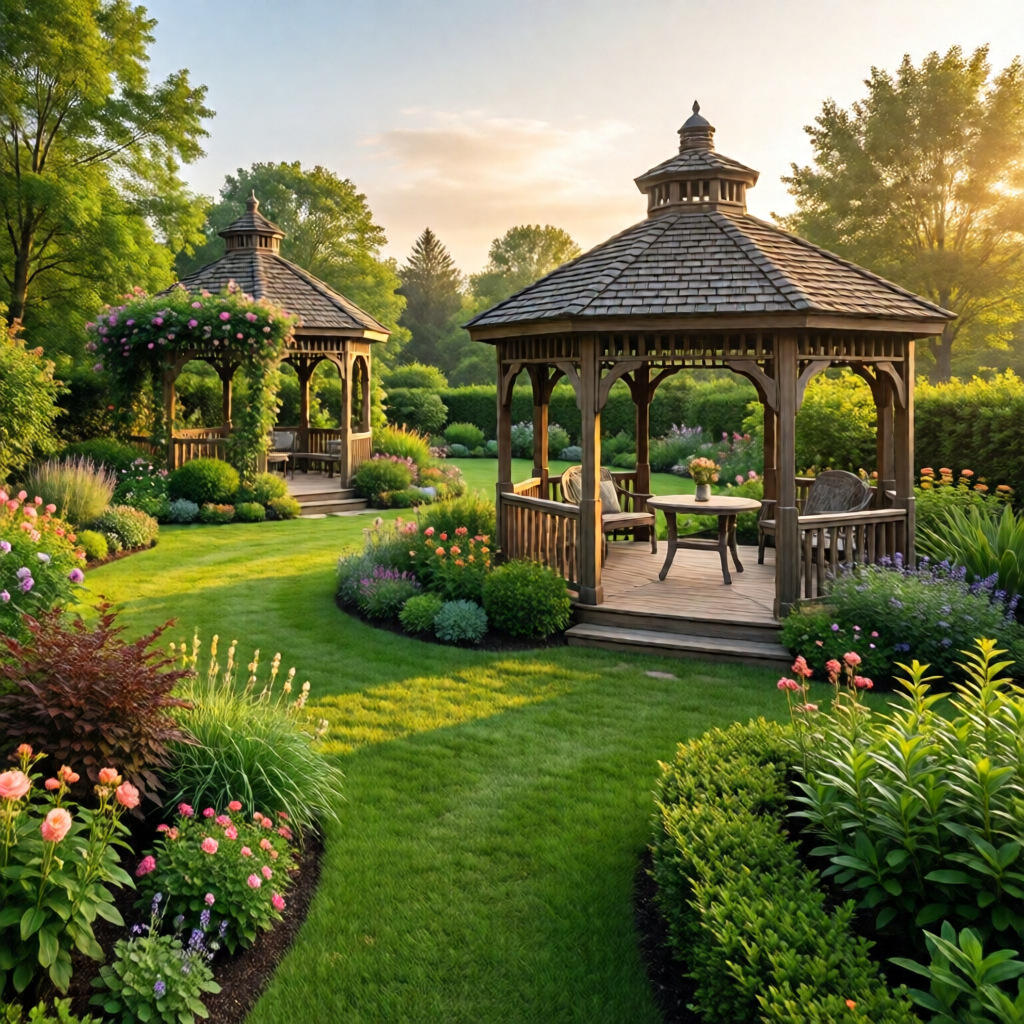
Creative Themes and Décor Ideas
Now that the structural basics are covered, let’s explore thematic concepts that bring personality and charm to your gazebo. Each theme includes décor suggestions, plant pairings, and functional ideas to help you visualize the final result.
Romantic Cottage Gazebo
Embrace the nostalgia of a countryside retreat with a wooden gazebo draped in delicate white curtains, climbing roses, and wisteria vines. Add a vintage wrought‑iron swing or a small round table set with lace tablecloths for tea parties. Incorporate soft, warm lighting—think lanterns or candle‑filled hurricane vases—to create an intimate glow. For a floral backdrop, plant a trellis nearby and grow clematis, which provides vibrant blooms that cascade over the gazebo. Learn more about caring for clematis here.
Modern Minimalist Retreat
For a sleek, contemporary look, choose a metal or composite gazebo with clean lines and a glass or polycarbonate roof. Keep furnishings low‑profile: a simple concrete coffee table, minimalist lounge chairs, and a neutral‑tone outdoor rug. Use monochromatic color schemes—such as charcoal, white, and natural wood accents—to maintain visual harmony. Incorporate hidden LED strip lighting along the roof edge for a subtle, futuristic ambiance. Pair the structure with sculptural succulents and ornamental grasses for low‑maintenance greenery that complements the modern aesthetic.
Entertaining Outdoor Kitchen
If your goal is to host friends and family, transform your gazebo into an outdoor kitchen and dining area. Install a built‑in grill, a small prep counter, and a refrigerator beneath a weather‑proof countertop. Add a bar-height table with stools for casual drinks, and a larger dining table for meals. Ensure proper ventilation by using a high roof with operable vents and installing a range hood above the grill. Use durable, heat‑resistant flooring such as stone pavers. For added charm, hang a pergola‑style trellis overhead with climbing herbs like rosemary and thyme, providing fresh seasonings at your fingertips.
Seasonal Décor and Plantings
Keep your gazebo fresh year after year by rotating décor and plantings with the seasons. In spring, display pastel cushions, fresh-cut flowers, and potted tulips. Summer calls for bright, tropical accents, citronella candles, and hanging lanterns to deter insects. Autumn invites warm, earthy tones—think pumpkin-shaped lanterns, plaid throws, and potted mums. In winter, drape the gazebo with evergreen garlands, string lights, and place a fire pit or portable heater for cozy evenings. For winter gardening enthusiasts, the winter vegetable gardening guide offers tips to grow hardy greens nearby.
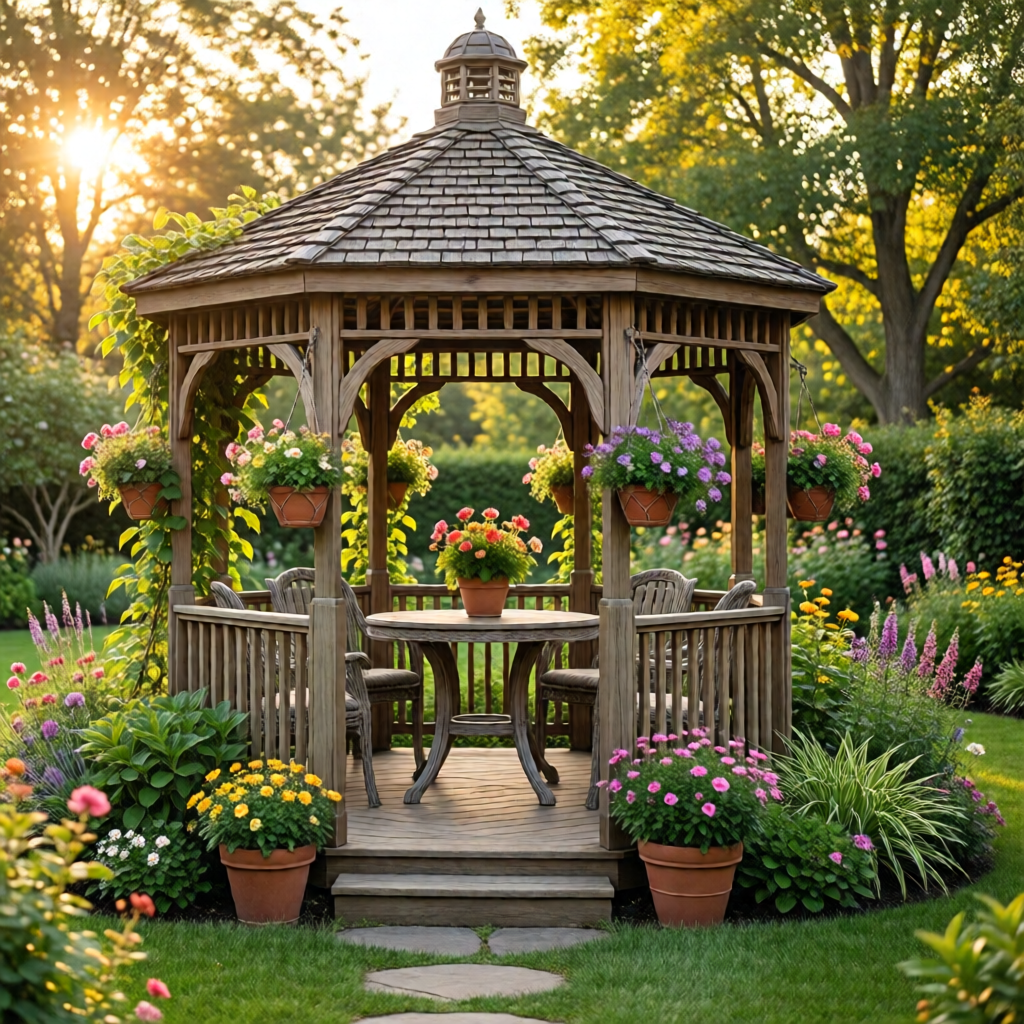
Maintenance and Longevity
Proper upkeep ensures your gazebo remains a beautiful and functional centerpiece for years to come. Below are essential maintenance practices tailored to various materials and climates.
Cleaning and Weatherproofing
Regular cleaning prevents the buildup of dust, pollen, and mold. For wooden gazebos, use a soft brush and a mild, biodegradable soap solution to scrub the frame and decking. Rinse thoroughly with a garden hose, avoiding high pressure that could damage joints. After cleaning, apply a penetrating wood sealer or exterior-grade stain every 2–3 years to protect against moisture and UV rays.
Metal gazebos require less frequent cleaning but benefit from occasional washing to remove rust‑inducing salts, especially in coastal areas. Use a mixture of water and a non‑abrasive cleaner, then dry completely. Apply a rust‑inhibiting primer and a powder‑coat finish if you notice any scratches.
For polycarbonate or glass roofs, use a gentle glass cleaner and a soft microfiber cloth to avoid scratches. Ensure the roof panels are securely fastened to prevent water infiltration during heavy rain.
Seasonal Care Checklist
- Spring: Inspect all fasteners, tighten loose screws, and apply fresh sealant or paint as needed. Clean out debris from gutters if your gazebo has a rain‑catchment system.
- Summer: Check for signs of wear from intense sunlight. Trim any vines or climbing plants that may be exerting pressure on the frame.
- Fall: Remove fallen leaves promptly to prevent moisture retention and mold growth. Store cushions and fabric décor in a dry place.
- Winter: If you experience heavy snowfall, clear the roof regularly to avoid structural stress. Consider installing a removable snow guard or a temporary roof cover for added protection.
By following this routine, you’ll safeguard your investment and keep the gazebo looking fresh throughout the year.
Budgeting and DIY Options
Creating a beautiful gazebo doesn’t have to break the bank. Understanding the cost breakdown and exploring DIY alternatives can help you stay within budget while still achieving a high‑quality result.
Prefabricated Kits vs Custom Build
Prefabricated gazebo kits are popular for their ease of assembly and predictable pricing. They typically include pre‑cut lumber, hardware, and clear instructions, allowing most homeowners to complete the project in a weekend with basic tools. Prices range from $1,500 for a modest 8‑ft wooden kit to $5,000+ for larger, premium metal models with high‑end roofing.
Custom builds offer unlimited design flexibility but require more planning, skilled labor, or a willingness to learn carpentry. If you opt for a custom approach, factor in costs for foundation work, high‑grade materials, and professional design services if needed. For many DIY enthusiasts, a hybrid approach works best: purchase a kit for the primary structure and customize it with unique roofing, lighting, and décor.
Cost‑Saving Materials and Tricks
Consider using reclaimed wood, salvaged metal, or repurposed pallets for a rustic, eco‑friendly gazebo. These materials can dramatically reduce costs while adding character. When using reclaimed lumber, ensure it’s free of rot and treated for outdoor use.
Opt for a DIY roof using clear polycarbonate panels instead of costly shingles; the panels are lightweight, easy to install, and provide excellent UV protection. For flooring, a simple gravel base covered with stepping stones can create an attractive, low‑maintenance surface without the expense of decking.
Finally, source hardware and fixtures from local hardware stores during sales or use online marketplaces to find discounted brackets, bolts, and decorative elements.
With careful planning, creative sourcing, and a willingness to roll up your sleeves, you can build a gazebo that meets both your aesthetic desires and financial constraints.
Conclusion
A garden gazebo is more than a shelter—it’s a versatile, inviting stage for countless outdoor experiences, from quiet contemplation to lively celebrations. By thoughtfully selecting a style that complements your home, positioning it strategically within your landscape, and incorporating functional design features, you can create a timeless retreat that enhances both the beauty and utility of your yard. Remember to maintain your gazebo regularly, adapt décor with the seasons, and explore budget‑friendly options to keep the project sustainable and enjoyable. With the ideas and tips outlined in this guide, you’re well equipped to embark on your gazebo journey and enjoy a fragrant, shaded haven for years to come.
What size gazebo is ideal for a small backyard?
For compact spaces, a 8‑ft to 10‑ft diameter gazebo works well, offering enough room for a small table and chairs while leaving ample space for surrounding plantings and pathways.
Can I install a gazebo on a concrete patio?
Yes, a concrete patio provides a stable, level foundation. Use anchor brackets or concrete footings to securely attach the gazebo frame, ensuring it meets local building codes.
How do I protect a wooden gazebo from rot?
Apply a high‑quality exterior sealant or wood stain every 2–3 years, keep gutters clear, and ensure proper ventilation to reduce moisture buildup that leads to rot.
What lighting options are best for evening gatherings?
Combine recessed LED ceiling lights, solar‑powered lanterns, and string fairy lights for layered illumination that creates ambiance while being energy‑efficient.
Is it possible to add a kitchen area inside a gazebo?
Absolutely—install a weather‑proof countertop, built‑in grill, and a small refrigerator. Ensure proper ventilation and use heat‑resistant flooring like stone pavers for safety.