Hostas are the undisputed queens of shade gardens, offering a lush tapestry of foliage that can transform even the darkest corners of your yard into a vibrant, living masterpiece. Whether you’re a seasoned gardener looking to refine your shade‑garden skills or a beginner eager to add texture and color to a low‑light area, this comprehensive hosta care guide will walk you through every step—from selecting the perfect cultivar to mastering seasonal maintenance, pest control, and creative design ideas that keep your garden thriving year after year.
Choosing the Right Hostas for Your Shade Garden
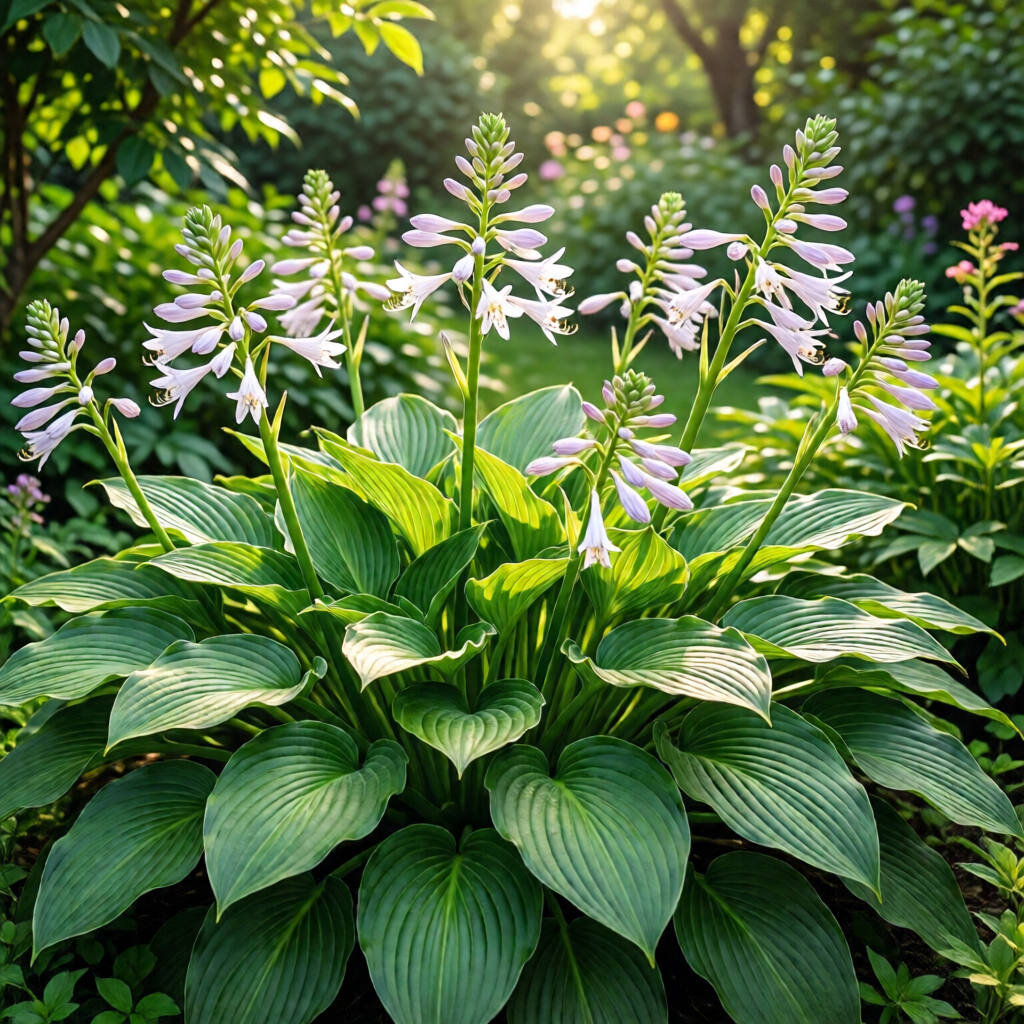
Before you break ground, it’s essential to match the right hosta varieties to the specific conditions of your shade garden. Hostas come in a dazzling array of leaf colors—deep greens, blues, chartreuse, and even variegated patterns with creamy white or gold margins. Their size can range from petite 6‑inch “Mini” types to sprawling “Gigantea” cultivars that can dominate a garden bed.
Key factors to consider include:
- Shade intensity: Full shade (under trees or north‑facing walls) can handle darker‑leafed varieties like ‘Blue Angel’ or ‘Frances Williams’. Dappled or partial shade (morning sun, afternoon shade) is ideal for variegated types such as ‘Patriot’ or ‘Saratoga’, which benefit from a touch of sunlight to keep their colors vibrant.
- Moisture levels: Some hostas, like ‘June’, tolerate slightly drier conditions, while most prefer consistently moist soil.
- Space constraints: Measure the mature spread of each cultivar. A compact hosta works well in container gardens or edging, whereas larger types are perfect for creating focal points in a shaded border.
Take the time to visit local nurseries, compare leaf textures, and envision how each variety will complement existing plants. Remember, a well‑chosen hosta not only thrives but also sets the stage for a harmonious, low‑maintenance shade garden.
Preparing the Soil for Optimal Hostas Growth
Hostas are relatively forgiving, yet they truly shine when planted in rich, well‑draining soil that retains moisture without becoming waterlogged. Begin by testing your garden soil’s pH; hostas prefer a slightly acidic to neutral range (pH 6.0–7.0). Amend overly alkaline soil with elemental sulfur or organic peat moss, and improve heavy clay soils with coarse sand and compost.
Follow these steps for a flawless planting medium:
- Clear the planting area: Remove weeds, grass, and debris. This is a perfect time to read our how to prevent garden weeds naturally guide for organic mulching techniques.
- Incorporate organic matter: Work in at least 3–4 inches of well‑rotted compost or leaf mold. This improves soil structure, boosts fertility, and helps retain moisture.
- Create a raised bed (optional): If drainage is a concern, build a low raised bed (6–8 inches high) with a mixture of 60% topsoil, 30% compost, and 10% coarse sand.
- Level the soil: Smooth the surface with a rake, ensuring a gentle slope away from the planting spot to prevent water pooling.
By laying a solid soil foundation, you give your hostas the best possible start, reducing the need for frequent fertilization and watering later on.
Planting Hostas: Step‑by‑Step Guide
Proper planting technique is the cornerstone of hosta health. Follow this detailed process to ensure robust root development and long‑term vigor:
- Timing: Plant hostas in early spring after the last frost or in early fall when soil temperatures are moderate (55–65°F). This allows roots to establish before extreme heat or cold.
- Spacing: Position plants according to their mature size—generally 12–18 inches apart for medium varieties, and up to 36 inches for larger cultivars.
- Digging the hole: Create a hole twice as wide and as deep as the root ball. Gently tease out the roots if they appear densely packed.
- Placement: Set the plant so the crown (where the roots meet the stem) sits just below the soil surface. Planting too deep can cause crown rot.
- Backfilling: Fill the hole with a mixture of native soil and compost, firming gently to eliminate air pockets.
- Watering in: Water thoroughly until water drains from the bottom, confirming good soil‑to‑root contact.
After planting, apply a 2–3 inch layer of organic mulch (shredded leaves, pine needles, or bark) to conserve moisture, suppress weeds, and gradually improve soil fertility.
Watering and Mulching: Keeping Hostas Hydrated
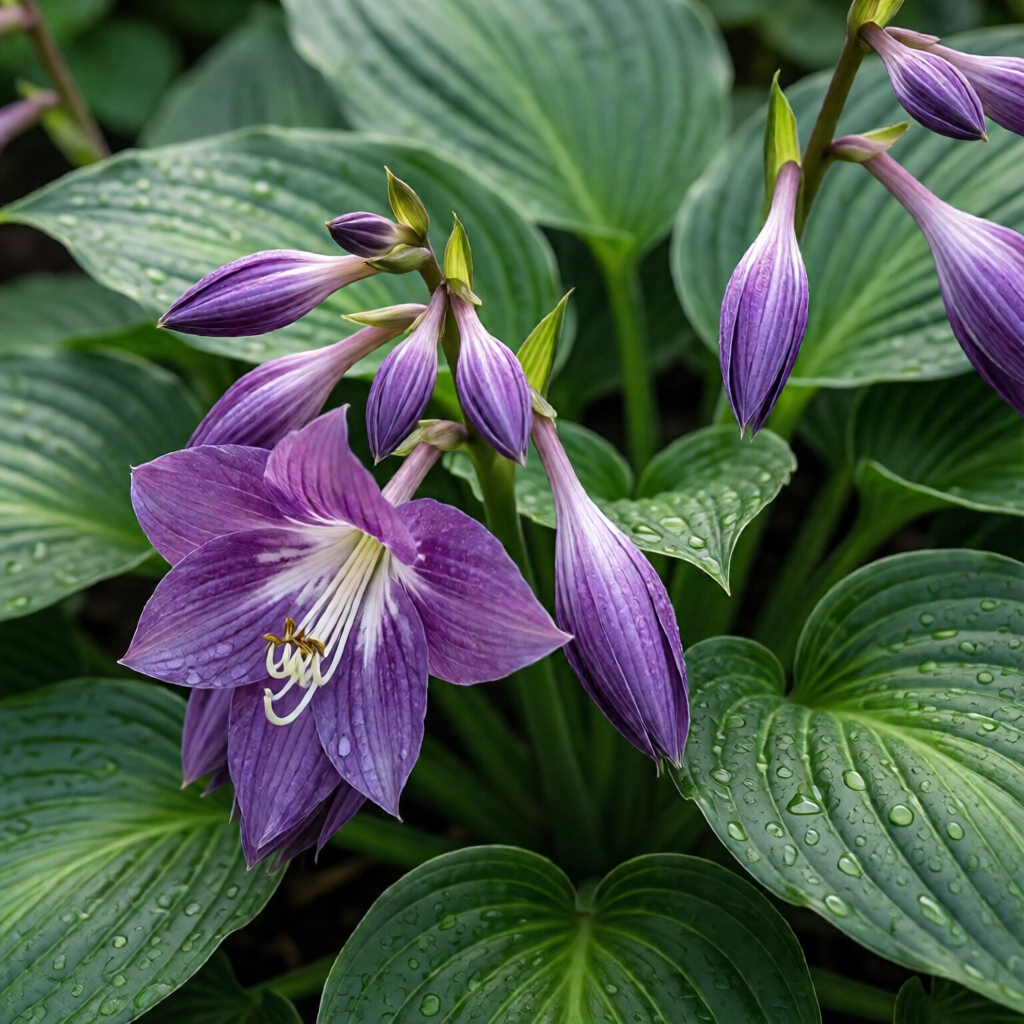
Consistent moisture is vital for hostas, especially during the first growing season. While they tolerate occasional dry spells, prolonged drought stress leads to wilted leaves, stunted growth, and increased susceptibility to pests.
Watering schedule:
- Newly planted hostas: Water deeply 2–3 times per week for the first month, adjusting based on rainfall.
- Established plants: Provide 1–2 inches of water per week, either from rainfall or irrigation. In hot summer months, increase frequency to maintain even soil moisture.
Use a soaker hose or drip irrigation at the base of the plants to deliver water directly to the root zone, minimizing leaf wetness that can encourage fungal diseases.
Mulching benefits:
- Retains soil moisture, reducing watering frequency.
- Regulates soil temperature, keeping roots cool in summer and insulated in winter.
- Suppresses weeds that compete for nutrients and water.
Replenish mulch annually in early spring, keeping it a few inches away from the crown to prevent rot.
Light Requirements: Understanding Shade Levels
Hostas are famously shade‑loving, but the term “shade” encompasses a spectrum:
- Full shade: Areas that receive less than 2 hours of indirect sunlight, typically under dense tree canopies or on north‑facing walls. Dark‑leafed hostas thrive here.
- Partial shade (dappled): Morning sun with afternoon shade, or filtered light through trees. Ideal for variegated hostas, which need a touch of sun to maintain leaf patterns.
- Light shade: Up to 4 hours of filtered morning sun. Most hostas do well, but ensure soil stays moist to offset increased evaporation.
If your garden receives unexpected direct sunlight, consider planting taller hostas at the back of the bed and using taller foliage plants (such as ferns or ornamental grasses) as natural “sun shields.”
Feeding and Fertilizing: Boosting Foliage Color and Growth
Hostas are light feeders, yet a modest fertilization program can enhance leaf vigor and color intensity, especially in nutrient‑poor soils.
When to fertilize:
- Early spring (March–April): Apply a balanced, slow‑release fertilizer (10‑10‑10) at a rate of 1 tablespoon per square foot. This supports vigorous leaf emergence.
- Mid‑summer (July): If foliage looks pale or growth slows, side‑dress with a light application of compost tea or a liquid fertilizer high in potassium.
Avoid over‑fertilizing, as excess nitrogen can encourage weak, tender growth that attracts slugs and snails. A well‑balanced approach, combined with regular mulching, generally provides sufficient nutrients.
Pest Management: Keeping Hostas Healthy
While hostas are resilient, they’re not immune to common shade‑garden pests. Early detection and integrated pest management (IPM) are key.
Slugs and Snails
These nocturnal munchers love the tender leaves of hostas, leaving ragged holes and a silvery slime trail.
- Hand‑pick them at night and drop them into a bucket of soapy water.
- Set up beer traps: bury a shallow container up to the rim, fill with beer, and place near hostas.
- Apply diatomaceous earth around the base of plants; the abrasive texture deters soft‑bodied pests.
Deer and Rabbits
Deer often browse on hostas, especially in winter when food is scarce. Use tall, sturdy fencing or plant a perimeter of deer‑resistant species like lavender (lavender care and pruning guide) to act as a natural barrier.
Hosta Leaf Miner and Gall Midge
These insects create distinctive tunnels or galls on leaves. Encourage natural predators such as parasitic wasps and lacewings by planting nectar‑rich flowers nearby. If infestations become severe, treat with neem oil early in the season.
Dividing and Propagating Hostas
Hostas naturally form clumps that become crowded over time, reducing vigor and increasing disease risk. Dividing every 3–4 years rejuvenates the plants and provides new specimens for other garden spots.
When to Divide
- Early spring, just as new shoots emerge, or in early fall after the foliage has died back.
- Choose a dry day to minimize transplant shock.
How to Divide
- Water the clump thoroughly the day before dividing.
- Carefully dig up the entire plant, keeping the root ball intact.
- Gently separate the clump into sections, each with a healthy crown and a good portion of roots.
- Trim any damaged or dead roots, and replant immediately at the same depth as before.
- Water well and apply a light mulch layer.
For those who love propagating by cuttings, our how to propagate plants from cuttings outdoors article offers detailed guidance on rooting hosta leaf cuttings in moist sand or perlite.
Seasonal Care: What to Do Throughout the Year
Spring
Remove winter mulch, inspect for slug damage, and apply a balanced fertilizer. Divide any overcrowded clumps and replant new divisions. Begin regular watering as temperatures rise.
Summer
Maintain consistent moisture, especially during heat waves. Trim back any dead or yellowing leaves to improve airflow. Mulch heavily to conserve soil moisture.
Fall
Allow leaves to naturally yellow and die back; they protect the crowns over winter. Add a fresh mulch layer to insulate roots. If you notice any disease signs, treat promptly before the cold sets in.
Winter
Hostas are hardy, but extreme cold can damage crowns. In regions with harsh winters, apply a thick mulch (4–6 inches) or a layer of straw over the plant base. Avoid excessive fertilization in late fall, as it can encourage tender growth that won’t survive frost.
Design Ideas: Incorporating Hostas into Shade Gardens
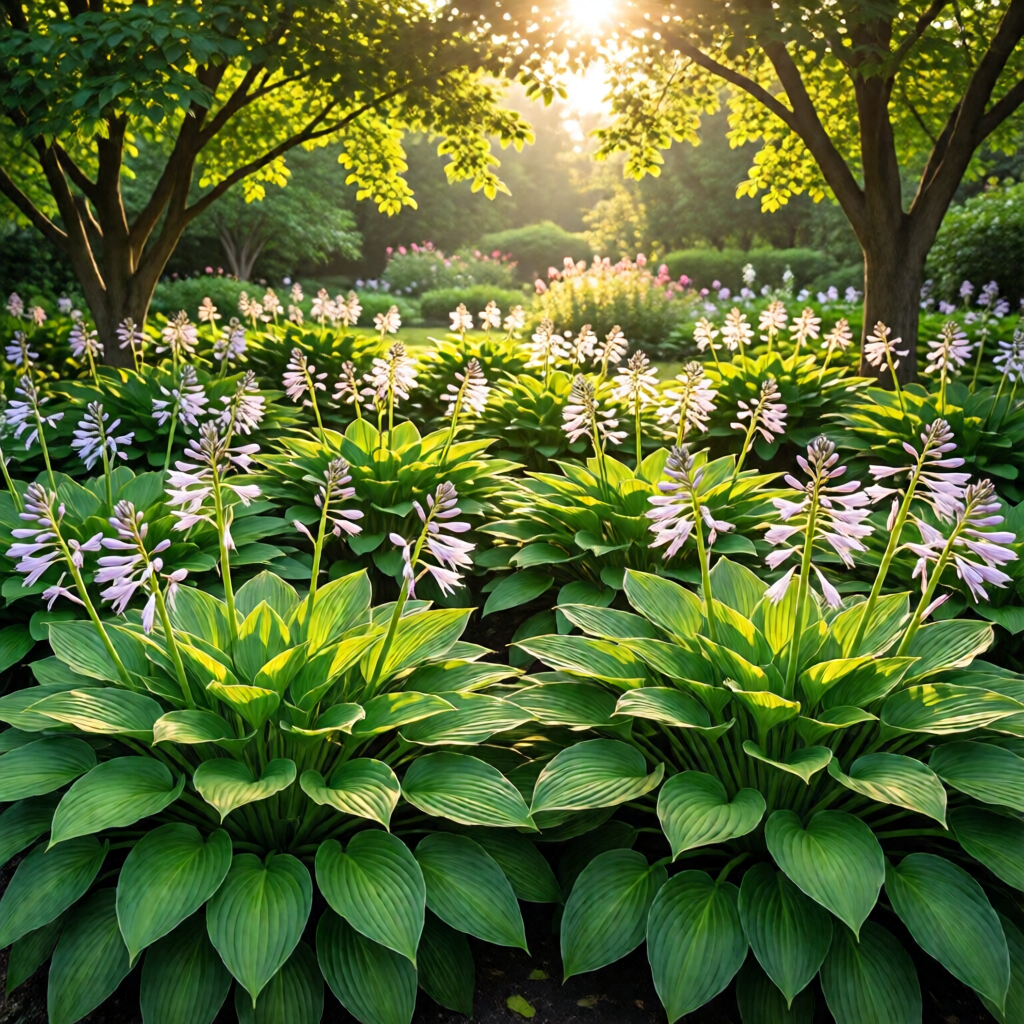
Hostas are incredibly versatile design elements. Pair them with complementary shade‑loving plants for texture, color, and seasonal interest.
- Ferns: Their feathery fronds contrast beautifully with hosta’s broad leaves. Combine Japanese painted fern (Athyrium niponicum ‘Pictum’) with blue‑leafed hostas for a cool‑toned palette.
- Astilbe: Offers airy, plume‑like blooms that rise above hosta foliage, adding height and a pop of pink or red.
- Shade‑tolerant perennials: Heuchera (coral bells) provides colorful foliage, while lungwort (Pulsatilla vulgaris) delivers early spring flowers.
- Structure: Use taller hostas as background screens behind lower groundcovers, or create a “hosta wall” along a garden path for a lush, low‑maintenance border.
- Privacy hedges: For larger shade areas, consider integrating hostas with evergreen shrubs like rhododendrons in a layered privacy hedge ideas for backyard design.
Don’t forget functional elements—hostas can be planted near garden sheds (garden shed ideas and inspiration) to soften hardscapes and create a welcoming, green transition.

Common Mistakes to Avoid
Even experienced gardeners can stumble over a few pitfalls when caring for hostas. Keep these common errors in mind and adjust your routine accordingly:
- Planting too deep: Crown rot is a frequent issue when the crown sits below soil level. Always plant at or just below the soil surface.
- Insufficient watering: Hostas can tolerate brief dry periods but will quickly suffer in sustained drought. Use mulches and drip irrigation to maintain even moisture.
- Over‑fertilizing: Excess nitrogen weakens leaves, making them more attractive to slugs. A light feeding schedule is sufficient.
- Neglecting pest monitoring: Regularly inspect leaves for slug damage, leaf miner tunnels, and signs of deer browsing.
- Skipping division: Overcrowded clumps lead to reduced vigor and increased disease pressure. Divide every few years.
Harvesting the Benefits: Why Hostas Are Worth the Effort
Beyond their ornamental appeal, hostas contribute to a healthier garden ecosystem. Their dense foliage provides habitat for beneficial insects, while their shade tolerance helps reduce soil erosion on north‑facing slopes. Moreover, many hostas are evergreen in milder climates, offering year‑round interest and a soft, green backdrop when other perennials go dormant.
Incorporating hostas into your shade garden not only elevates aesthetics but also promotes biodiversity, moisture retention, and soil health—making them a cornerstone plant for sustainable, low‑maintenance landscaping.
Conclusion: Your Path to a Lush Shade Garden
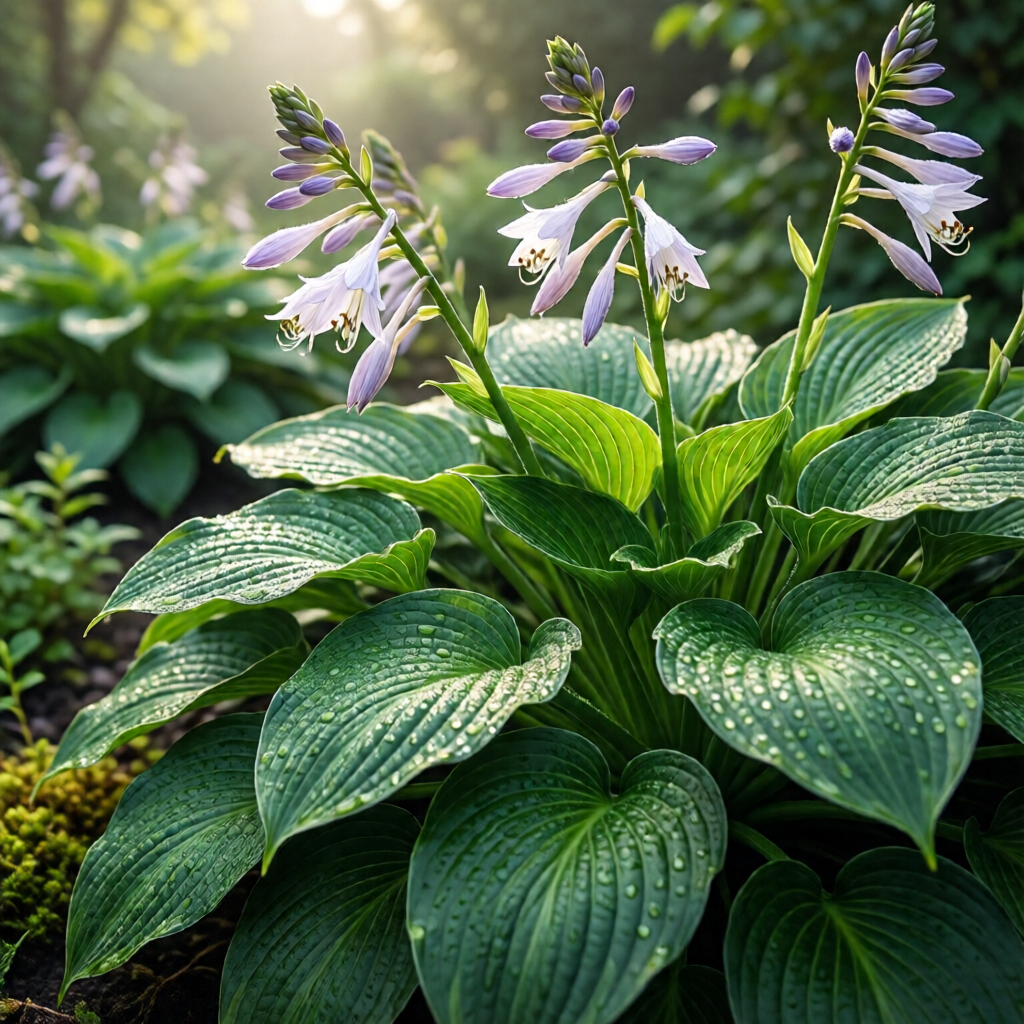
With the right selection, soil preparation, watering regimen, and seasonal care, hostas will reward you with a tapestry of foliage that thrives where many other plants struggle. By following the actionable tips outlined in this guide—choosing appropriate varieties, mulching diligently, managing pests organically, and dividing regularly—you’ll cultivate a shade garden that remains vibrant throughout the year.
Embrace the process, observe how each hosta responds to its micro‑environment, and adjust your care routine as needed. In time, you’ll discover that these understated perennials are not just survivors of shade—they’re the stars of it.
How often should I water my hostas?
Newly planted hostas need deep watering 2–3 times per week for the first month, while established plants thrive with 1–2 inches of water per week, adjusted for rainfall and temperature.
When is the best time to divide hostas?
Divide hostas in early spring as new shoots appear or in early fall after the foliage has died back. This timing minimizes stress and encourages rapid re‑establishment.
How can I protect hostas from slug damage?
Use a combination of hand‑picking, beer traps, diatomaceous earth barriers, and copper tape around plant bases. Maintaining a clean, mulched area also reduces slug habitats.
Can hostas survive in full sun?
Most hostas prefer shade, but some tolerant varieties like ‘June’ can handle light afternoon sun if soil remains consistently moist and the plants receive ample mulch.
What is the ideal soil mix for planting hostas?
A well‑draining mix of 60% native topsoil, 30% compost or leaf mold, and 10% coarse sand provides the perfect balance of fertility, moisture retention, and aeration for healthy hostas.