Hydrangeas are among the most beloved flowering shrubs in American gardens, celebrated for their lush, globe‑shaped blossoms that shift from soft pinks to deep blues, purples, and whites. Whether you’re a seasoned horticulturist or a weekend gardener, mastering hydrangea care can transform a modest yard into a vivid, year‑round showcase. This guide delivers practical, expert‑backed tips on planting, watering, pruning, and especially on how to control those stunning colors, all while weaving in actionable advice you can apply today.
Understanding the Main Types of Hydrangea
Before diving into care routines, it helps to know the four primary hydrangea groups you’ll encounter in U.S. gardens:
Bigleaf Hydrangea (Hydrangea macrophylla)
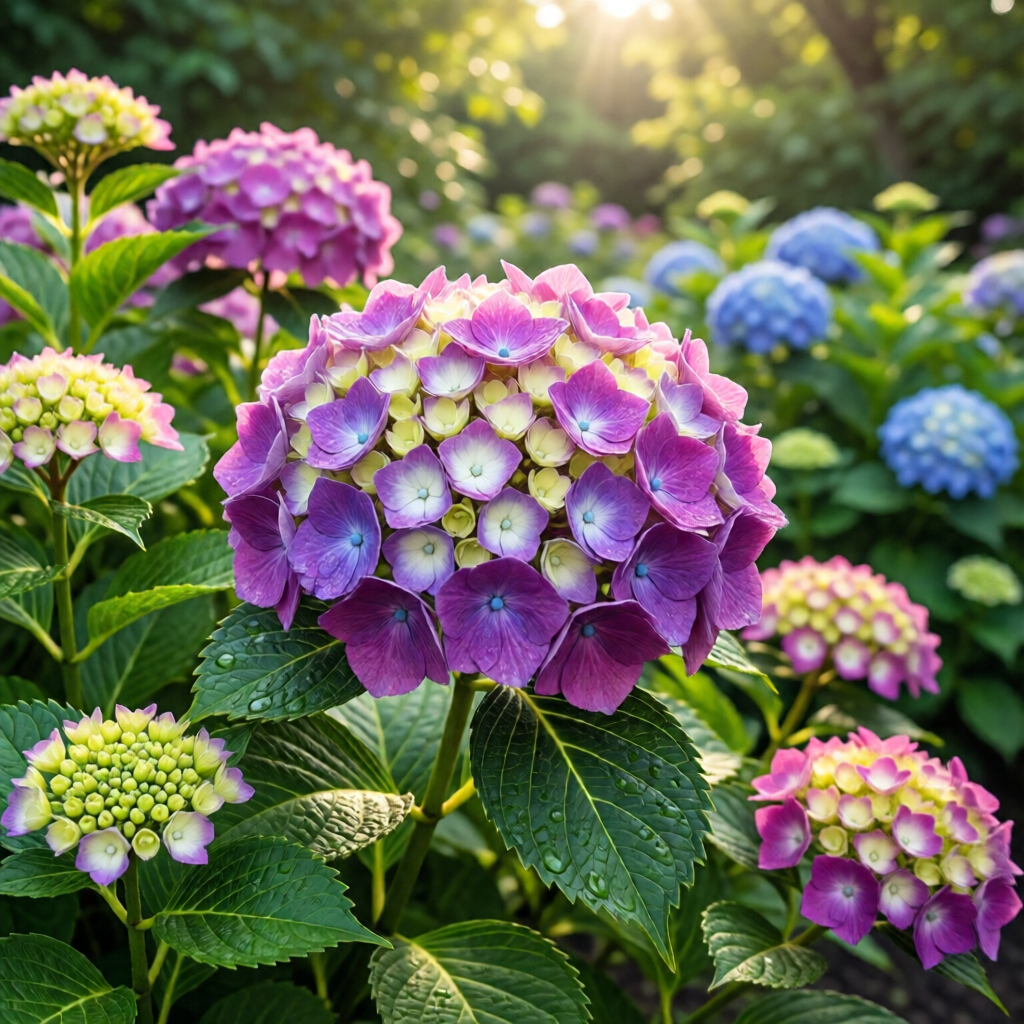
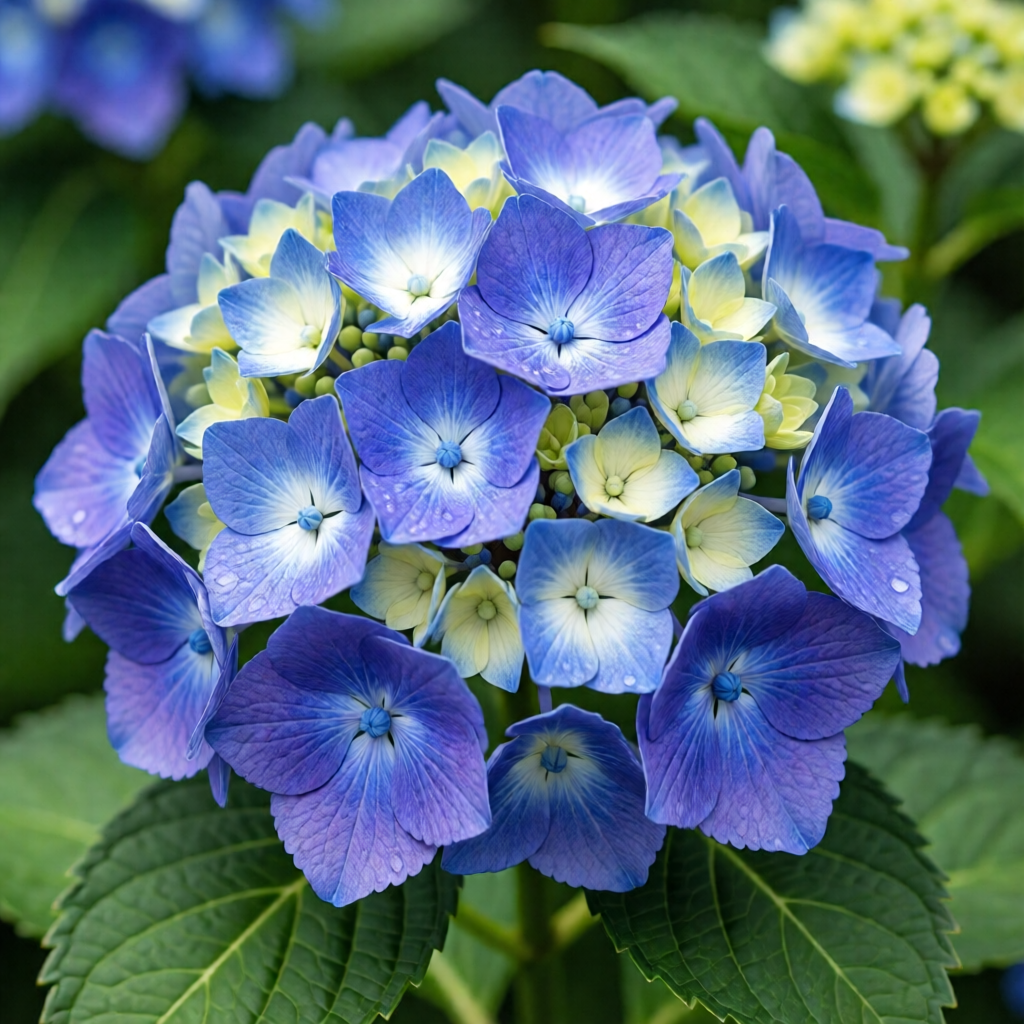
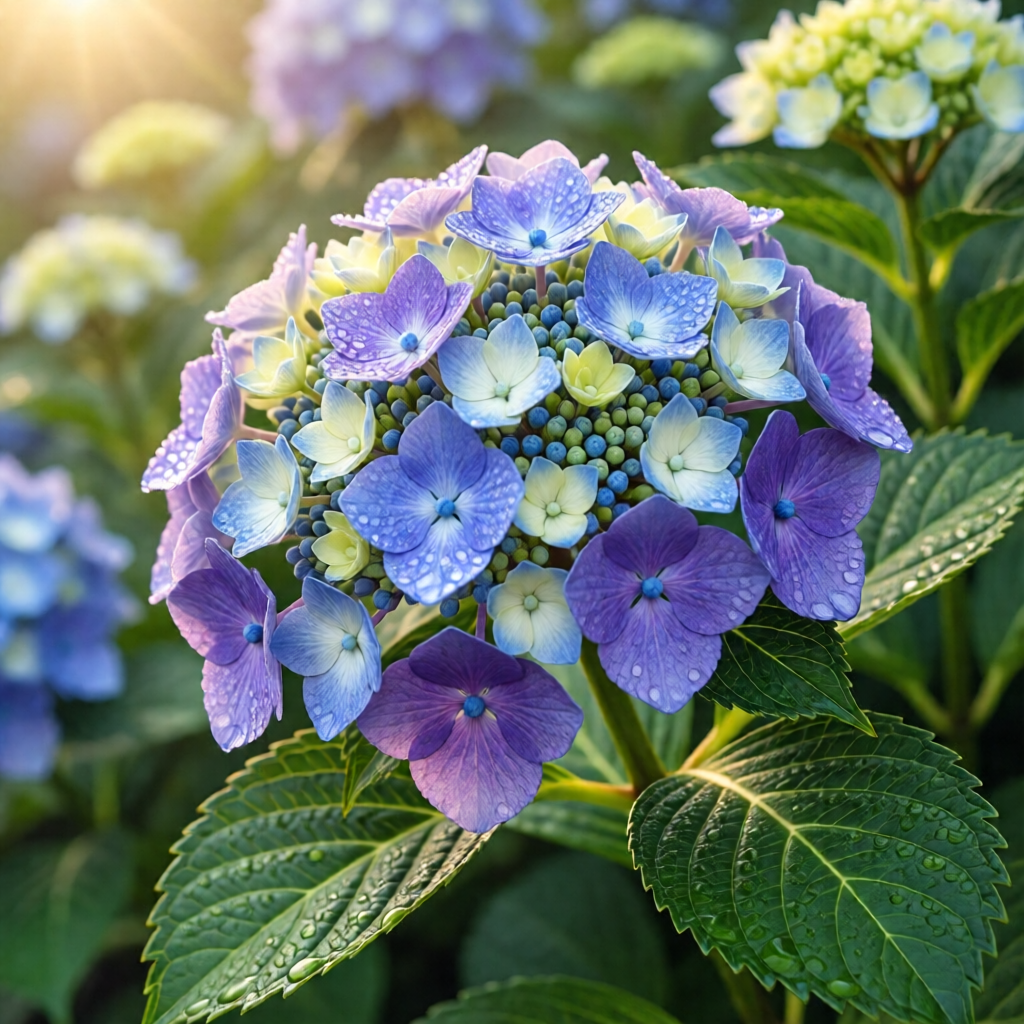
Best known for its color‑changing mophead or lacecap blooms, Bigleaf hydrangeas thrive in partial shade and respond dramatically to soil pH. Acidic soils (pH < 5.5) coax blue flowers, while alkaline soils (pH > 7) yield pink or purple blossoms.
Panicle Hydrangea (Hydrangea paniculata)
These upright, cone‑shaped flowers start white and often deepen to pink or lavender as they age. They tolerate full sun and colder climates, making them ideal for northern gardens.
Oakleaf Hydrangea (Hydrangea quercifolia)
Named for its oak‑shaped leaves, this species offers striking white or pink blooms that turn rose‑colored in summer. Its foliage turns brilliant red in fall, adding seasonal interest.
Climbing Hydrangea (Hydrangea anomala‑subsp. petiolaris)
A vigorous vine that clings to walls or trellises, producing lacecap white flowers in early summer. It prefers moist, shady sites and can reach impressive heights with proper support.
Choosing the Right Location and Soil
Hydrangeas are forgiving, but optimal placement maximizes bloom quality and color control. Here’s what to consider:
Light Requirements
Bigleaf and oakleaf varieties prefer morning sun with afternoon shade to protect delicate blooms from scorching. Panicle and climbing hydrangeas handle full sun, especially in cooler regions, but still benefit from some afternoon protection.
Soil Texture and Drainage
All hydrangeas thrive in loamy, well‑draining soil rich in organic matter. Amend heavy clay with compost, leaf mold, or peat moss to improve aeration. Poor drainage can lead to root rot, a common issue in humid climates.
pH Management for Color
To manipulate color in Bigleaf hydrangeas, test soil pH using a simple kit. If the soil is too alkaline for blue flowers, incorporate elemental sulfur or pine needles. For pink hues, add garden lime gradually, monitoring pH to avoid over‑correction.
Planting Hydrangeas for Long‑Term Success
Follow these steps to give your hydrangeas a strong start:
Timing
In most U.S. zones, early spring or early fall are ideal planting windows. The soil is still workable, and roots have time to establish before extreme temperatures.
Digging the Hole
Make a hole twice as wide and the same depth as the root ball. Loosen the sides to encourage outward root growth. If you’re planting a Bigleaf hydrangea, add a handful of peat moss to the back of the hole to boost acidity.
Backfilling and Mulching
Backfill with a mix of native soil and compost, tamping gently to remove air pockets. Apply a 2‑3 inch layer of mulch (pine bark or shredded leaves) to retain moisture and regulate temperature. Keep mulch away from the stem base to prevent rot.
Watering Strategies: Keeping Hydrangeas Happy
Hydrangeas are named for their love of water. Consistent moisture is key to robust growth and vibrant blooms.
Establishing a Watering Schedule
During the first growing season, water deeply two to three times per week, providing about 1‑1.5 inches of water each time. Once established, reduce frequency but increase depth, aiming for 1 inch of water per week in moderate climates.
Using Drip Irrigation for Efficiency
Installing a drip irrigation system for garden DIY offers precise moisture control, reduces water waste, and keeps foliage dry—helpful for disease prevention.
Signs of Under‑ or Over‑watering
Wilting, yellowing leaves, and leaf drop indicate water stress. Conversely, soggy soil, blackened roots, and fungal growth signal over‑watering. Adjust your schedule accordingly.
Fertilizing for Lush Blooms
Balanced nutrition fuels flower production without compromising plant health.
Choosing the Right Fertilizer
Use a slow‑release, balanced fertilizer (10‑10‑10) in early spring. For Bigleaf hydrangeas, opt for a fertilizer formulated for acid‑loving plants, which often contains iron and magnesium to enhance color intensity.
Application Timing
Apply fertilizer when new growth appears, typically in March or April. A second light feeding in early summer supports a second flush of blooms for panicle varieties.
Avoiding Over‑Fertilization
Excess nitrogen promotes foliage at the expense of flowers. Follow label rates and consider a soil test before adding nutrients.
Pruning: Shaping and Encouraging Blooms
Pruning techniques vary by species and directly affect bloom quantity and timing.
Bigleaf Hydrangea
Prune after flowering (late summer) if you wish to remove spent blooms and encourage a tidy shape. Avoid heavy pruning, as many varieties flower on old wood.
Panicle Hydrangea
Hard prune in late winter (January–February) to a height of 12‑24 inches. This stimulates new growth that will produce larger flower clusters.
Oakleaf Hydrangea
Lightly prune after flowering to maintain shape. Remove any crossing branches to improve air circulation.
Climbing Hydrangea
Trim back after the plant has attached to its support, removing any dead or weak stems. Minimal pruning is needed, as the plant naturally spreads.
Manipulating Hydrangea Colors: The Science and the Art
One of the most enchanting features of hydrangeas is their ability to change color based on soil chemistry. Here’s how to master the process.
Understanding Aluminum Availability
In acidic soils, aluminum becomes soluble and is absorbed by the plant, leading to blue pigments. In alkaline soils, aluminum binds tightly, resulting in pink or red hues.
Adjusting Soil pH
To shift toward blue, add 1‑2 pounds of elemental sulfur per 100 sq ft and re‑test after a month. For pink, incorporate garden lime at a rate of 1‑2 pounds per 100 sq ft, again testing after a few weeks.
Using Foliar Sprays
Commercial hydrangea color‑changing sprays contain aluminum sulfate or iron. Apply as directed during the growing season for a quick, temporary color boost.
Choosing Color‑Stable Cultivars
Some Bigleaf varieties, such as ‘Endless Summer’, retain pink hues regardless of pH, offering predictable aesthetics for design‑focused gardens.
Pest and Disease Management
Healthy cultural practices are your first line of defense, but occasional issues may arise.
Common Pests
Japanese beetles, aphids, and spider mites can defoliate or stress plants. Hand‑pick beetles, spray a strong jet of water for aphids, and use neem oil for mites, applying early in the season.
Fungal Diseases
Powdery mildew, leaf spot, and botrytis blossom blight thrive in humid, poorly ventilated conditions. Ensure proper spacing, prune for airflow, and apply a copper‑based fungicide at the first sign of disease.
Integrated Pest Management (IPM)
Combine cultural (proper watering, mulching), biological (beneficial insects), and chemical controls only when necessary to keep hydrangeas thriving without harming the ecosystem.
Winter Protection and Seasonal Care
Most hydrangeas are hardy, but winter stress can affect bloom performance next season.
Mulching for Insulation
Apply a 3‑inch layer of organic mulch after the first hard freeze. This protects roots from temperature fluctuations.
Covering for Extreme Cold
In USDA zones 4‑5, wrap the base of the shrub with burlap or a frost blanket, securing it with stakes. Avoid plastic, which can trap moisture and cause rot.
Spring Revitalization
In early spring, remove the winter mulch, inspect for damage, and prune any dead wood. A light feeding with a balanced fertilizer will jump‑start growth.
Incorporating Hydrangeas Into Garden Design
Hydrangeas pair beautifully with a variety of garden elements, enhancing both color palettes and structural interest.
Companion Planting
Pair Bigleaf hydrangeas with best flowering shrubs for full sun like roses or lilacs to create layered bloom periods. Oakleaf hydrangeas complement shade‑loving ferns and hostas for a woodland feel.
Hillside Landscaping
Use panicle hydrangeas on gentle slopes to stabilize soil while adding vertical interest. Check out hillside landscaping ideas on a budget for creative placement.
Water Features
Climbing hydrangeas can be trained around pergolas or water‑feature walls, creating a lush backdrop. Explore water feature ideas for garden for inspiration.
Maintaining Consistent Bloom Performance
While each hydrangea species has its quirks, a few universal practices keep them blooming year after year:
- Maintain consistent moisture without waterlogging.
- Provide balanced nutrition, adjusting for soil pH when color control is desired.
- Prune at the correct time for each species to encourage new growth.
- Monitor for pests and diseases, intervening early.
- Protect roots during winter and revitalize in spring.
Conclusion: Your Path to Spectacular Hydrangeas
With the right site selection, soil preparation, watering regimen, and a bit of chemistry know‑how, you can enjoy a garden bursting with hydrangeas that shift from dreamy blues to romantic pinks at your command. Remember to observe your plants, adjust practices as the seasons change, and let the natural beauty of these versatile shrubs become the centerpiece of your outdoor sanctuary.
How can I change my hydrangea’s color from pink to blue?
To shift pink hydrangea blooms to blue, lower the soil pH to below 5.5 by adding elemental sulfur or pine needles. Test the soil after a few weeks, then re‑apply as needed. The increased acidity makes aluminum more available, which the plant absorbs to produce blue pigments.
When is the best time to prune my panicle hydrangea?
Panicle hydrangeas should be hard‑pruned in late winter, typically January or February, before new growth emerges. Cutting back to 12‑24 inches encourages vigorous shoots that will bear larger flower clusters in summer.
Do all hydrangeas need the same amount of water?
While all hydrangeas love moisture, water needs vary. Bigleaf and oakleaf types prefer consistently moist, well‑drained soil, whereas panicle and climbing hydrangeas tolerate drier conditions once established. Using a drip irrigation system can help meet each type’s specific requirements.
Can I plant hydrangeas in a container?
Yes, hydrangeas thrive in large containers (at least 15‑20 gallons). Use a high‑quality potting mix enriched with compost, ensure good drainage, and water frequently to keep the soil evenly moist. Container plants also allow you to adjust soil pH more easily for color control.
What are the common pests that affect hydrangeas and how do I control them?
Japanese beetles, aphids, and spider mites are the most frequent pests. Hand‑pick beetles, spray aphids with a strong water jet, and apply neem oil or insecticidal soap for mites. Maintaining good airflow and avoiding overhead watering also reduces pest infestations.