Indoor ferns bring a touch of lush, emerald tranquility to any home, offering a natural air‑purifying boost while thriving in spaces where many other houseplants might struggle. Whether you’re a seasoned gardener looking to expand your indoor plant collection or a beginner eager to add a low‑maintenance green friend, understanding the diverse fern varieties and their specific care needs is essential. In this guide, we’ll explore the most popular indoor fern species, break down the science of light, water, and humidity, and provide actionable tips that turn your living room, bedroom, or office into a thriving fern haven.
Why Choose Ferns for Indoor Spaces?
Ferns have been prized for centuries not only for their graceful foliage but also for their ability to improve indoor air quality. Research from NASA’s Clean Air Study highlights that many fern species can filter out formaldehyde, xylene, and toluene—common pollutants found in household products and furnishings. Their feathery fronds also add texture and depth, making them perfect for creating a layered look in interior design. Moreover, ferns are generally adaptable to low‑light environments, which means they can flourish in corners, bathrooms, or beneath larger plants where sunlight is limited.
Top Indoor Fern Varieties and Their Unique Traits
Below is a curated list of the most reliable and decorative fern varieties for indoor cultivation. Each one brings a distinct aesthetic and set of care requirements, allowing you to tailor your indoor garden to your home’s lighting conditions, humidity levels, and design preferences.
Boston Fern (Nephrolepis exaltata ‘Bostoniensis’)
Renowned for its cascading arches of bright green fronds, the Boston fern is a classic choice for hanging baskets or pedestal displays. It thrives in bright, indirect light and appreciates a consistently moist growing medium. Because it prefers high humidity, placing it in a bathroom or using a pebble tray can help maintain the moisture it craves.
Maidenhair Fern (Adiantum raddianum)
With delicate, fan‑shaped fronds that seem to float on air, the Maidenhair fern adds a whimsical touch to any room. This fern is more finicky about water quality—soft, distilled, or rainwater works best—making it ideal for gardeners who can monitor moisture levels closely. It prefers filtered light and high humidity, thriving near windows with sheer curtains.
Bird’s Nest Fern (Asplenium nidus)
Unlike many ferns, the Bird’s Nest fern grows in a rosette pattern, creating a striking, sculptural form that resembles a bird’s nest. It prefers moderate, indirect light and tolerates slightly drier conditions than other ferns, making it a forgiving option for beginners. Its thick, wavy fronds also make it a popular choice for modern interior aesthetics.
Kangaroo Fern (Microsorum diversifolium)
The Kangaroo fern boasts glossy, dark green fronds with a slightly leathery texture, adding a sleek, contemporary vibe to indoor spaces. It is tolerant of lower light levels and can handle occasional dry spells, though it still benefits from regular misting. Its compact size makes it perfect for desks, shelves, or small corners.
Staghorn Fern (Platycerium spp.)
Staghorn ferns are epiphytic, meaning they naturally grow on tree trunks in the wild. Their fronds resemble antlers, creating a dramatic, sculptural display when mounted on plaques or hung as living art. These ferns need bright, filtered light and high humidity, and they thrive on a well‑draining orchid mix—making them a natural segue to orchid care for beginners at home.
Essential Care Guidelines for Indoor Ferns
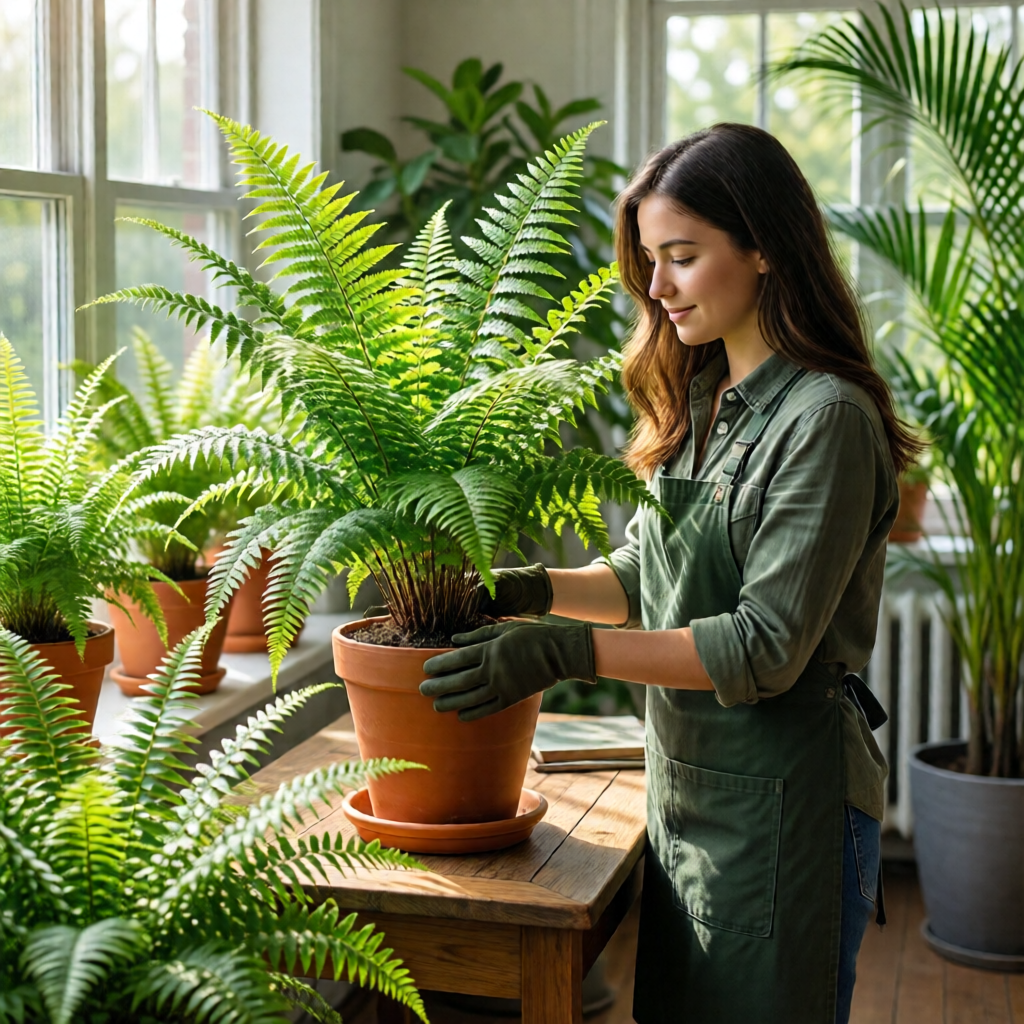
While each fern variety has its quirks, the core care principles remain consistent across the board: appropriate light, consistent moisture, proper humidity, and well‑draining soil. Mastering these fundamentals will set the stage for healthy, vigorous growth.
Light Requirements
Ferns generally thrive in bright, indirect light. Direct sunlight can scorch delicate fronds, while overly dim conditions cause slow growth and a loss of vibrancy. Position your fern near east‑facing windows or a few feet from a south‑facing window with sheer curtains. For spaces with limited natural light, consider supplementing with full‑spectrum LED grow lights, keeping them on for 12‑14 hours a day to mimic natural daylight cycles.
Watering and Humidity
Consistent moisture is the cornerstone of fern health. Most indoor ferns prefer the soil to stay evenly moist—never soggy, never bone dry. A good rule of thumb is to water when the top inch of soil feels dry to the touch. Use lukewarm water to avoid shocking the roots, and water thoroughly until it drains from the bottom of the pot.
Humidity is equally vital. Ferns are native to forest understories where moisture levels hover between 70‑90%. To replicate this, place a pebble tray filled with water beneath the pot, group several plants together, or run a humidifier. Regular misting—especially in winter when indoor air is drier—helps maintain the leaf surface moisture that many ferns, like the Maidenhair, adore.
Soil and Potting Mix
Unlike succulents, ferns need a light, airy, and moisture‑retentive potting medium. A blend of peat moss, perlite, and pine bark (approximately 2:1:1) works well for most indoor ferns. For epiphytic varieties such as the Staghorn fern, use a specialized orchid mix that offers excellent drainage while retaining enough moisture for the roots.
Fertilizing
Ferns are moderate feeders. During the active growing season (spring through early fall), apply a balanced, water‑soluble fertilizer diluted to half the recommended strength once a month. Over‑fertilizing can lead to weak fronds and salt buildup in the soil, so always err on the side of caution.
Pest Management
Indoor ferns can attract common houseplant pests like spider mites, mealybugs, and scale insects. Regularly inspect fronds, especially the undersides, for tiny webs or specks. If pests are detected, treat the plant with an insecticidal soap or neem oil, applying the solution in the early morning to allow the foliage to dry before evening.
Styling and Placement Tips
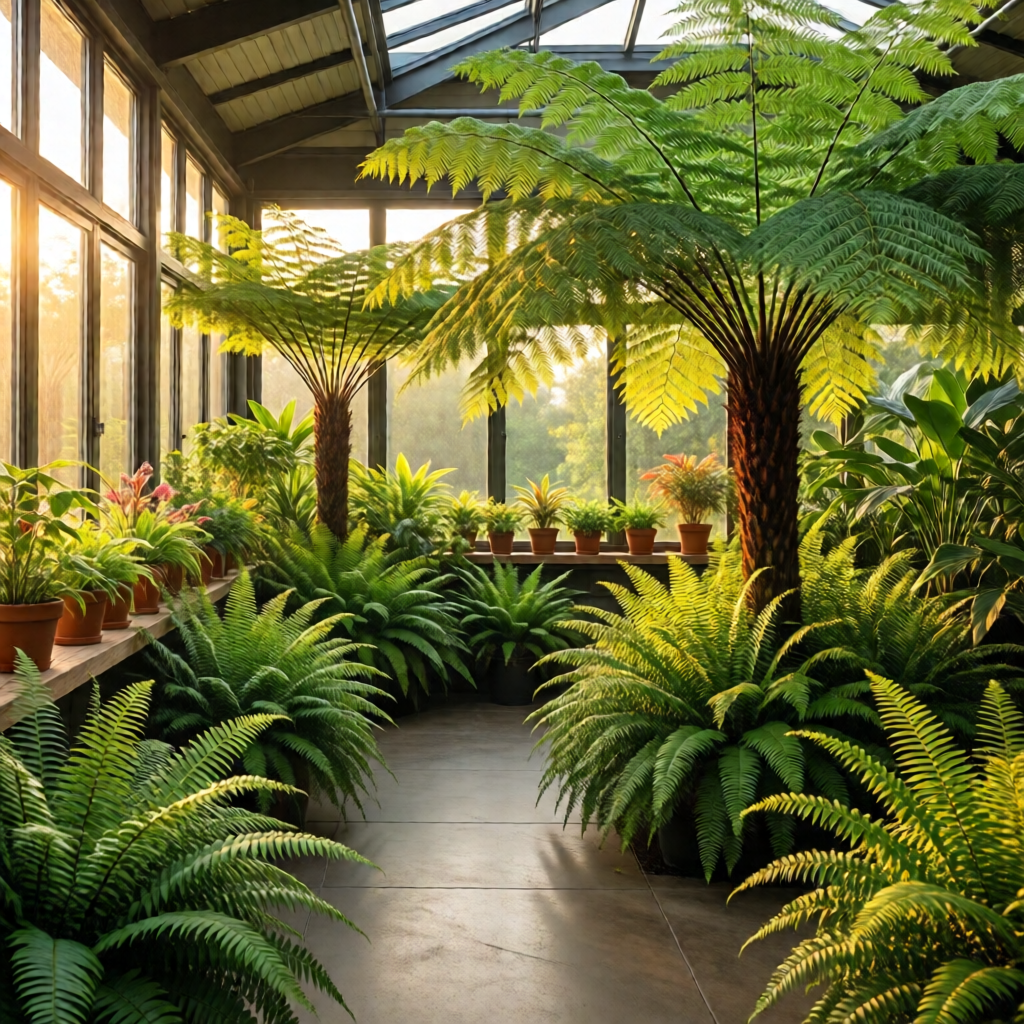
Ferns pair beautifully with other tropical foliage, creating a layered indoor jungle aesthetic that can transform any room. Consider grouping ferns with pothos, philodendrons, or peace lilies for a cohesive look. For a bold statement, mount a Staghorn fern on a wooden plaque or hang a Bird’s Nest fern from a decorative macramé hanger. If you’re aiming for how to create indoor jungle aesthetic, mix varying frond textures and heights to add depth and visual interest.
Common Mistakes and How to Avoid Them
Even seasoned gardeners can stumble when caring for ferns. Below are the most frequent pitfalls and practical solutions to keep your fern thriving.
Overwatering or Underwatering
Both extremes can cause frond browning and root rot. Use a moisture meter or simply press your finger into the soil to gauge moisture levels. In winter, reduce watering frequency as the plant’s growth slows.
Insufficient Humidity
Dry indoor air, especially in heated homes, can cause fronds to crisp at the tips. Increase humidity by clustering plants, using a humidifier, or placing the fern in naturally humid rooms like bathrooms.
Improper Light Exposure
Too much direct sun leads to scorched fronds, while too little light causes leggy growth. Adjust the plant’s location seasonally to maintain optimal light levels.
Using the Wrong Soil Mix
Heavy, compacted soils retain too much water and suffocate roots. Always use a light, well‑draining mix tailored for ferns or epiphytes.
Neglecting Fertilization
While ferns don’t need heavy feeding, a lack of nutrients can result in dull fronds. Apply a diluted balanced fertilizer during the growing months.
Seasonal Care Adjustments
Ferns exhibit seasonal growth patterns that require small adjustments in watering, feeding, and light exposure.
Spring and Summer
During the active growth phase, increase watering frequency and misting. Provide ample indirect light and begin a monthly feeding schedule with a balanced fertilizer.
Fall
As daylight shortens, reduce watering slightly and transition to a lower fertilizer concentration. This helps the plant prepare for the dormant period.
Winter
Most indoor ferns enter a semi‑dormant state in winter. Decrease watering to prevent soggy soil, and keep the plant away from cold drafts and heating vents. Maintain humidity with a pebble tray or humidifier, and limit fertilization to once every six weeks.
Propagation Techniques for Fern Enthusiasts
Propagating ferns allows you to expand your indoor garden or share your green thumb with friends. Most ferns propagate via division or spores, though division is the most reliable method for beginners.
Division
1. Gently remove the fern from its pot and shake off excess soil.
2. Identify natural clumps or rhizomes where the plant can be separated.
3. Use a clean, sharp knife to cut the rhizome into sections, each with healthy fronds and roots.
4. Plant each division in a fresh pot with appropriate fern soil mix.
5. Water thoroughly and place in bright, indirect light.
Spore Propagation
Spore propagation is more advanced and requires a sterile environment. Collect mature spores from the underside of fronds, sow them on a moist agar medium, and keep them in a warm, humid location. Patience is key, as germination can take several weeks.
Integrating Ferns with Other Indoor Plants
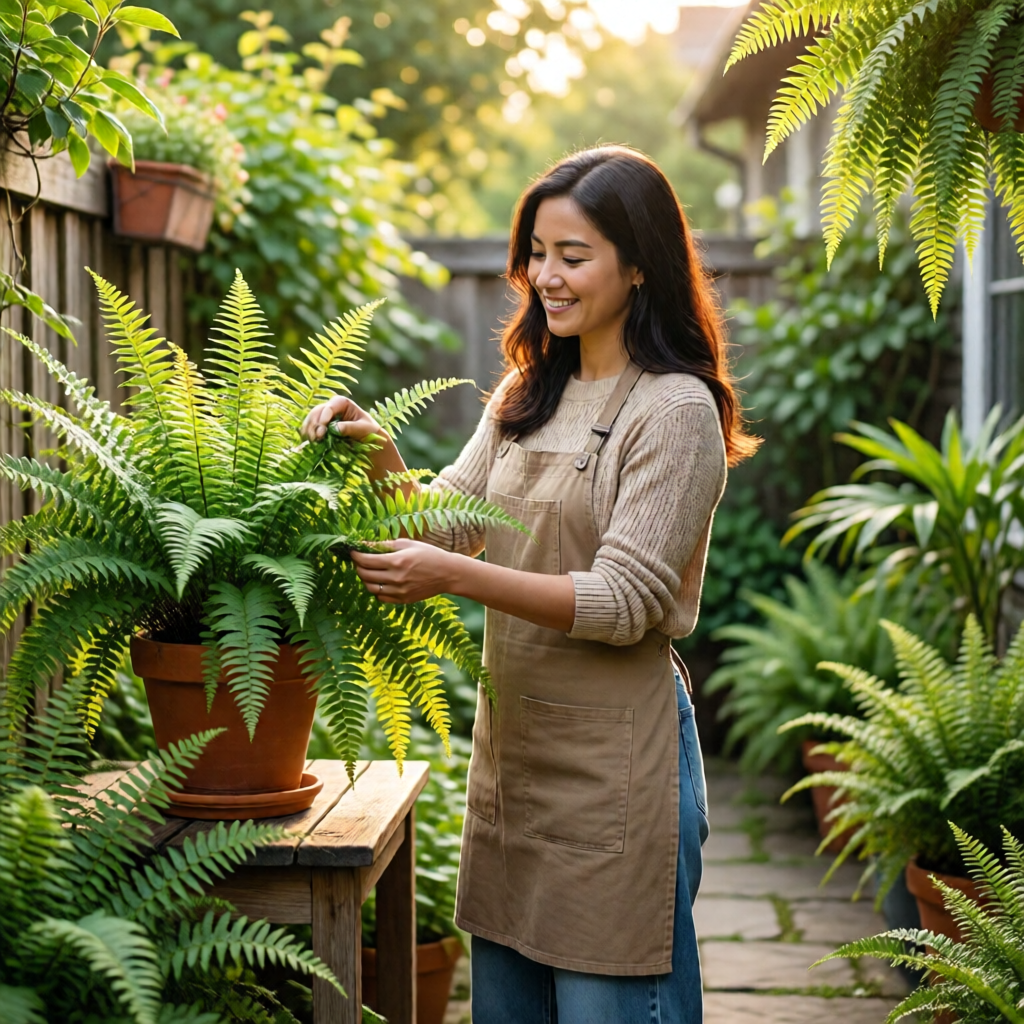
Ferns complement a wide array of houseplants, creating a cohesive and thriving indoor ecosystem. Pairing ferns with low‑light tolerant plants like ZZ plants, snake plants, or pothos can balance moisture needs and lighting requirements. For a striking visual contrast, juxtapose the feathery texture of a Boston fern with the bold, architectural leaves of a Monstera deliciosa. When planning your indoor garden, consider the following combinations:
- Fern + Peace Lily: Both enjoy high humidity and indirect light, making them ideal bathroom companions.
- Fern + Succulents: Place succulents in a sunny window while keeping ferns in the shaded corner for a dynamic light gradient.
- Fern + Large Indoor Plants for Living Room: Use a tall, statement plant like a fiddle leaf fig as a backdrop, with ferns adding layered softness at the base. See our guide on large indoor plants for living room for inspiration.
Choosing the Right Pot and Placement
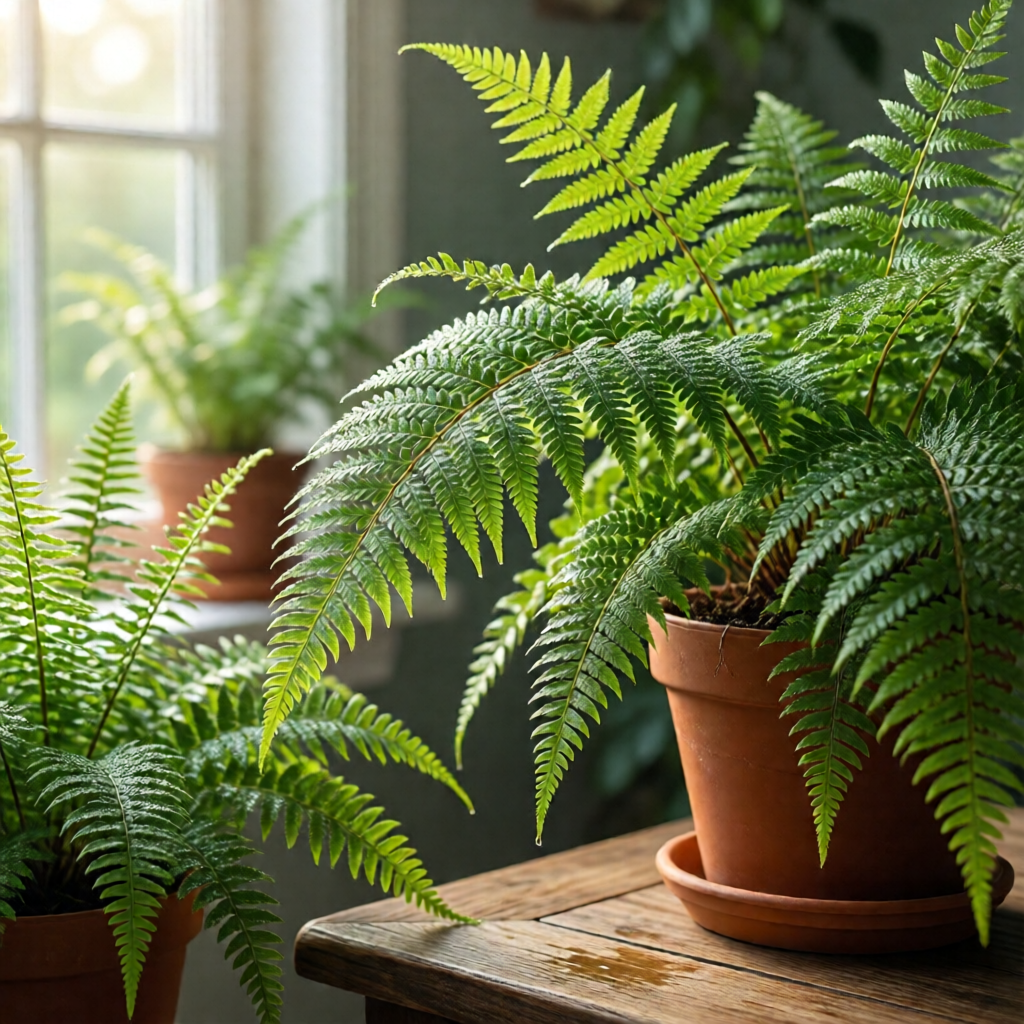
The container you select influences drainage, stability, and overall aesthetics. Terracotta pots are breathable but can dry out quickly, making them suitable for humid environments. Plastic or glazed ceramic pots retain moisture longer, which can be beneficial in drier homes. Ensure the pot has drainage holes to prevent waterlogging, a common cause of root rot.
When positioning your fern, keep the following in mind:
- Place near north‑ or east‑facing windows for gentle morning light.
- Avoid proximity to heating vents, radiators, or drafty windows.
- Group with other humidity‑loving plants to create a micro‑climate.
- Use decorative saucers or trays to catch excess water and protect flooring.
Monitoring Health and Troubleshooting Common Issues
Regularly inspect your fern for signs of stress. Yellowing fronds may indicate overwatering, while brown tips often point to low humidity. If you notice stunted growth, assess the light exposure and consider rotating the plant for even growth. For pest infestations, isolate the affected plant and treat promptly to prevent spread.
Conclusion: Embrace the Fern Lifestyle
Indoor ferns are versatile, rewarding, and relatively easy to care for when you understand their basic needs. By selecting the right variety, providing consistent moisture and humidity, and placing them in suitable lighting, you can enjoy a thriving fern collection that enhances both the aesthetics and air quality of your home. Whether you’re aiming for a serene bathroom oasis, a vibrant living room jungle, or a minimalist office corner, the fern’s timeless elegance offers endless possibilities.
Which indoor fern varieties are best for low‑light conditions?
For low‑light spaces, consider the Bird’s Nest fern, Kangaroo fern, and the Staghorn fern when mounted in bright, indirect light. These varieties tolerate lower light levels better than more light‑demanding ferns like the Boston fern.
How often should I water my indoor ferns?
Water when the top inch of soil feels dry, typically once a week during the growing season. In winter, reduce frequency to every 10‑14 days, always ensuring the soil remains evenly moist but never soggy.
What’s the best way to increase humidity for my ferns?
Use a pebble tray filled with water, group plants together, run a humidifier, or mist the foliage daily. Bathrooms naturally provide higher humidity, making them ideal spots for ferns like Maidenhair.
Can I fertilize my indoor ferns year‑round?
Fertilize monthly with a diluted balanced fertilizer (½ strength) during spring and summer. Reduce to every six weeks in fall and stop altogether in winter when the plant’s growth slows.
How do I propagate my ferns?
The easiest method is division: gently remove the plant, separate healthy rhizome sections, and replant in fresh fern soil. Advanced growers can also propagate from spores, though this requires a sterile environment and patience.
1 réflexion au sujet de « Indoor Fern Varieties And Care – Expert Guide and Ideas »