Welcome to the ultimate fiddle leaf fig (Ficus lyrata) care guide, your one‑stop resource for turning this iconic indoor tree into a thriving centerpiece in any U.S. home. Whether you’re a seasoned plant parent or just starting your indoor‑jungle journey, this guide blends expert advice, practical tips, and actionable steps to help you master light, water, soil, pruning, pest control, and seasonal nuances. By the end, you’ll feel confident enough to not only keep your fiddle leaf fig happy but also to showcase it proudly alongside other indoor tropical plants for home.
Understanding the Fiddle Leaf Fig’s Natural Habitat
Native to the rainforests of western Africa, the fiddle leaf fig thrives in bright, filtered sunlight, high humidity, and well‑draining soils rich in organic matter. Replicating these conditions indoors is the cornerstone of successful care. Think of the plant’s natural environment as a balance between a bright canopy and a moist forest floor—this duality guides every decision you’ll make, from light placement to watering frequency.
In the United States, climate zones vary dramatically, but the indoor environment offers a controlled microclimate. By mimicking the fig’s native conditions, you can overcome regional challenges such as dry winter air in the Midwest or intense summer heat in the Southwest. The key is to observe and adjust, creating a stable home that meets the plant’s needs year after year.
Light Requirements: The Golden Rule
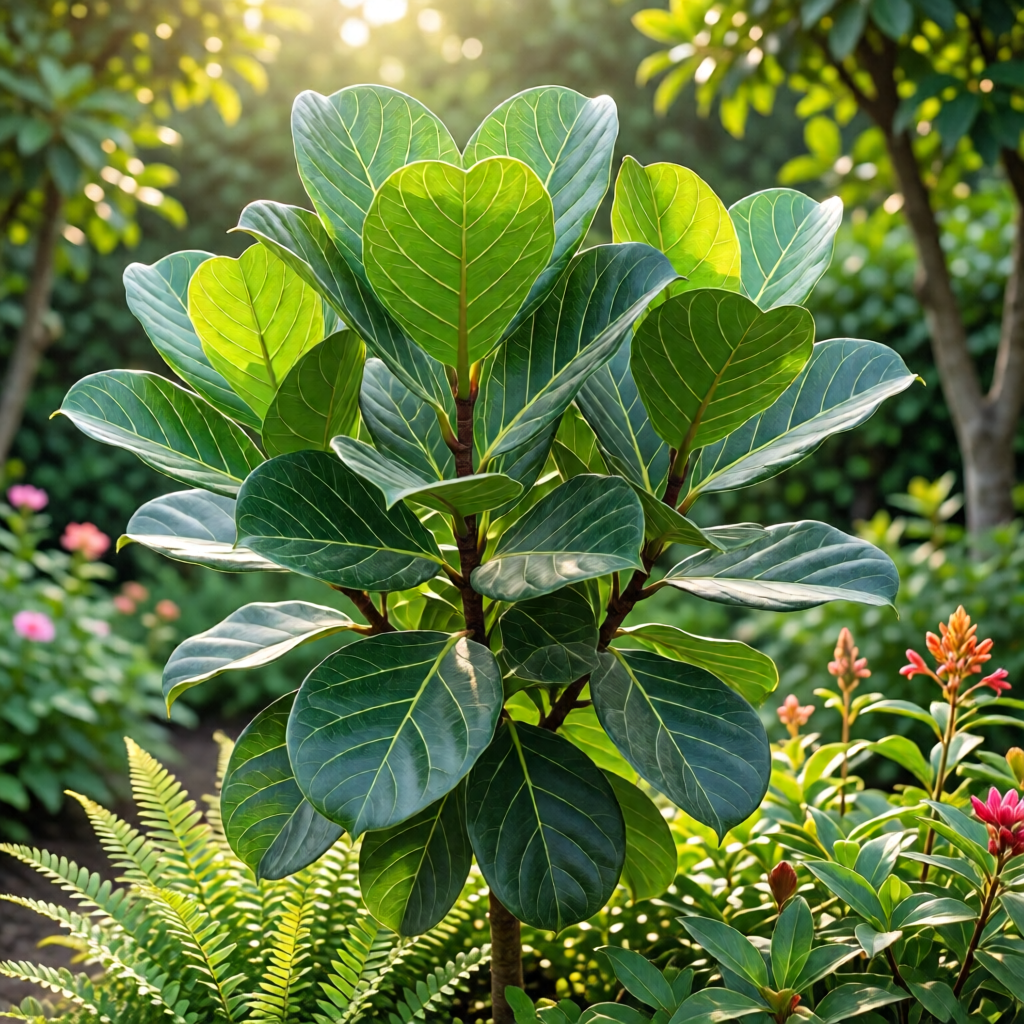
Fiddle leaf figs are light‑hungry, preferring bright, indirect sunlight. A south‑ or west‑facing window that receives 4–6 hours of filtered light daily is ideal. Direct midday sun can scorch the large, leathery leaves, while too little light leads to leggy growth and leaf drop.
If natural light is limited, supplement with artificial lighting. High‑quality best grow lights for indoor plants that emit a full spectrum are excellent alternatives. Position the light 12–24 inches above the foliage and run it for 10–12 hours during darker months.
Choosing the Right Window Spot
When selecting a window, consider the direction of light throughout the day. East‑facing windows provide gentle morning light—great for younger plants. West‑facing windows deliver stronger afternoon light, perfect for mature figs that have acclimated. Avoid north‑facing windows unless you combine them with supplemental grow lights.
Seasonal Light Adjustments
During winter, daylight hours shrink, and indoor heating dries the air. Rotate your fiddle leaf fig 90 degrees every few weeks to ensure even light exposure and prevent one side from becoming etiolated. In summer, if the plant receives intense direct sunlight, use sheer curtains to diffuse the rays and protect the leaves.
Watering: Finding the Sweet Spot
Overwatering is the most common mistake, often leading to root rot. Conversely, underwatering causes leaf browning and drooping. The goal is to keep the soil evenly moist but never soggy.
Water your fiddle leaf fig when the top 2 inches of soil feel dry to the touch. Insert a finger or a moisture meter to gauge. When watering, pour slowly until water drains out of the bottom pot holes, then discard excess to avoid standing water.
Water Quality Matters
Use room‑temperature filtered or distilled water if your tap water is hard or heavily chlorinated. In areas with low humidity, occasional misting can raise ambient moisture, but it should not replace proper watering.
Winter Watering Adjustments
During colder months, the plant’s growth slows, reducing its water needs. Cut back watering frequency by 25–30% and always check soil moisture before each watering session.
Soil, Repotting, and Pot Selection
A well‑draining potting mix is essential. A blend of high‑quality indoor potting soil, peat moss, and perlite (or coarse sand) in a 2:1:1 ratio provides the right balance of aeration and moisture retention. Avoid garden soil, which can compact and impede drainage.
Repotting should be done every 1–2 years, or when roots become visible at the pot’s surface. Choose a pot that’s 2–3 inches larger in diameter than the current one. Terra cotta pots are breathable but may dry out faster; plastic pots retain moisture longer. Ensure the pot has drainage holes.
Repotting Technique
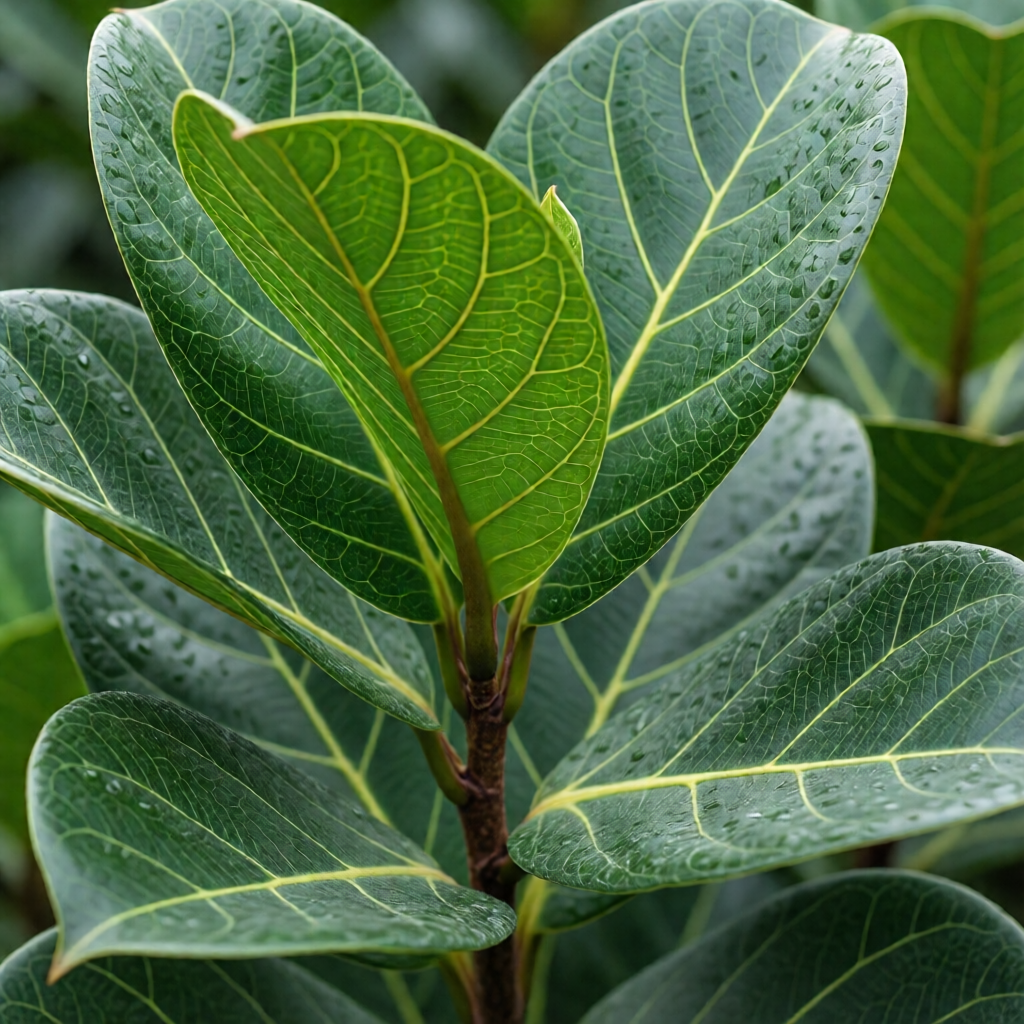
Gently loosen the root ball, trim any dead or overly long roots, and place the plant at the same depth it was previously growing. Fill around the roots with fresh mix, firm lightly, and water thoroughly to settle the soil.
Choosing the Right Pot Material
If you live in a dry climate (e.g., Arizona), a ceramic or plastic pot can help retain moisture. In humid regions (e.g., Pacific Northwest), terra cotta can prevent over‑watering by allowing excess moisture to evaporate.
Pruning and Shaping: Encouraging a Fuller Canopy
Pruning not only maintains size but also promotes a bushier, more attractive shape. Use clean, sharp pruning shears to make cuts just above a node (the point where a leaf joins the stem). This encourages new growth from that node.
For a tidy look, remove any dead, yellowing, or damaged leaves. To control height, cut the main stem back to a desired level; the plant will produce lateral branches from the cut site.

Training Techniques
Stake the main stem with a sturdy bamboo pole if you want a straight trunk. As new shoots emerge, gently tie them with soft plant ties to encourage a balanced canopy. This is especially useful for tall plants in apartments, where space is limited.
When to Prune
Late winter or early spring, just before the active growing season, is the optimal time. Avoid heavy pruning during peak summer heat, as the plant may struggle to recover.
Pest and Disease Management
Fiddle leaf figs are generally resilient, but they can fall prey to common indoor pests such as spider mites, mealybugs, and scale insects. Early detection is key.
Inspect leaves weekly, focusing on the undersides and leaf joints. If you spot tiny webs, cotton‑like clusters, or sticky residue (honeydew), act quickly.
Organic Treatment Options
For spider mites, a gentle spray of neem oil diluted to 1 tablespoon per quart of water works wonders. For mealybugs and scale, dip a cotton swab in rubbing alcohol and dab each insect directly. Repeat every 5–7 days until the infestation clears.
Preventive Measures
Maintain proper airflow around the plant, avoid excessive fertilizer, and keep humidity balanced. Over‑fertilizing can attract pests by creating soft, succulent growth that insects love.
Dealing with Leaf Spot and Root Rot
Leaf spot, caused by fungal pathogens, appears as brown or black blotches. Remove affected leaves and apply a copper‑based fungicide if the problem persists. Root rot, often a result of overwatering, presents as mushy, dark roots. In severe cases, repot the plant in fresh, well‑draining soil and trim away damaged roots.
Seasonal Care: Adapting to Climate Changes
Seasonal shifts affect temperature, light, and humidity. Adjust your care routine accordingly to keep the fiddle leaf fig thriving year‑round.
Spring Refresh
As daylight increases, gradually move the plant closer to brighter windows. Begin a balanced feeding schedule with a liquid fertilizer diluted to half strength every 4 weeks.
Summer Heat Management
In hot U.S. summers, especially in the South, keep the plant away from direct afternoon sun to prevent leaf scorch. Increase humidity by placing a pebble tray with water beneath the pot, or use a humidifier.
Autumn Transition
Reduce watering slightly as growth slows. Start preparing for winter by checking for pests and cleaning leaf dust with a damp cloth to improve photosynthesis.
Winter Dormancy
Maintain a stable temperature between 60–75°F. Avoid placing the fig near drafts, radiators, or heating vents. Water sparingly, and consider using a low‑intensity grow light if natural light is insufficient.
Propagation: Growing New Figs from Cuttings
Propagating fiddle leaf figs is rewarding and cost‑effective. Stem cuttings rooted in water or soil develop into independent plants within weeks.
Water Propagation Method
Take a 6‑inch cutting with at least two nodes, remove the lower leaves, and place the cut end in a glass of water. Change the water every 2–3 days. Roots should appear in 2–4 weeks, after which you can transfer the cutting to a pot with fresh soil.
Soil Propagation Method
Dip the cut end in rooting hormone, then plant it directly into a moist potting mix. Cover with a clear plastic bag to maintain humidity, and keep in bright, indirect light. Mist the cutting regularly and watch for root development in 3–6 weeks.
Design Tips: Incorporating Fiddle Leaf Fig into Your Home Décor
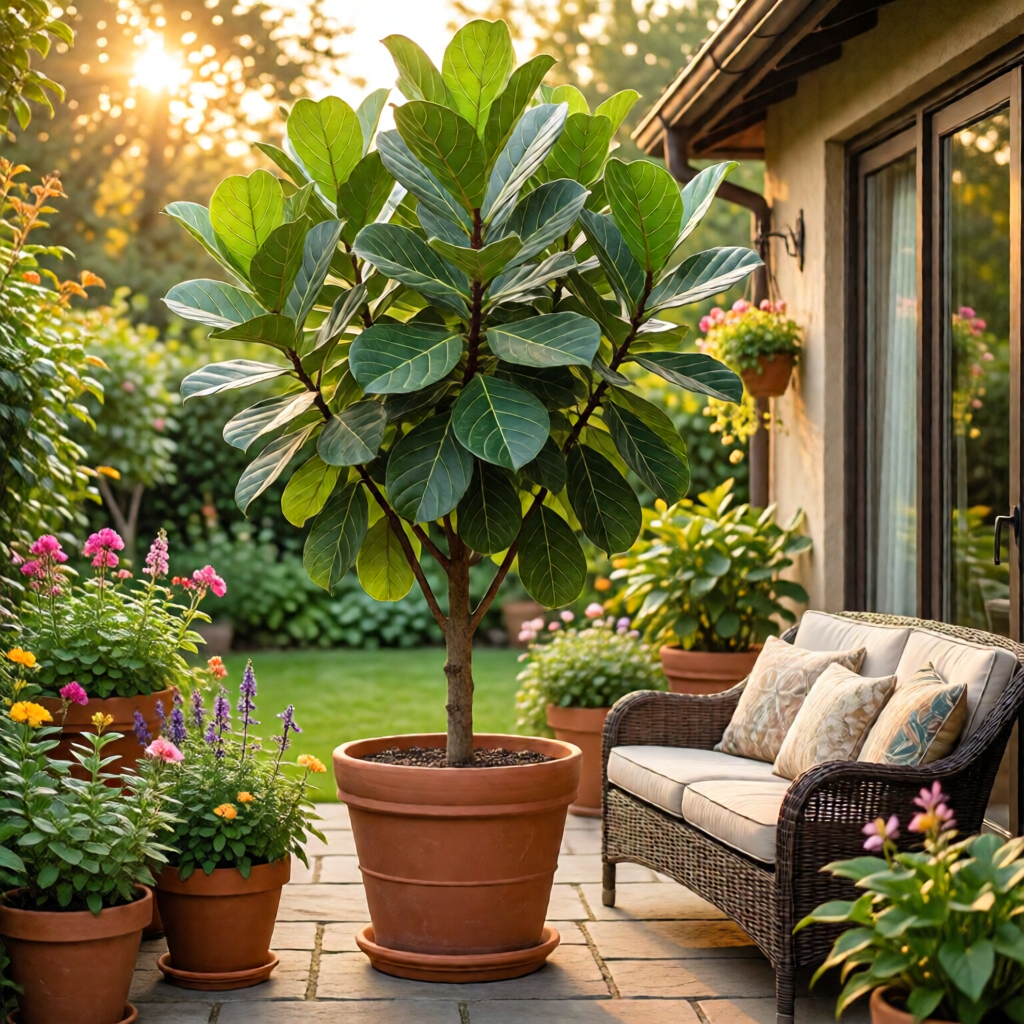
A well‑cared fiddle leaf fig becomes a living sculpture that elevates any interior. Pair it with other indoor tropical plants for home like snake plants, pothos, or ZZ plants for a layered, jungle‑vibe.
In small apartments, place the fig near a corner window and use a sleek, modern pot that complements your décor. For larger homes, consider a statement piece in the entryway or living room, perhaps alongside a minimalist best indoor trees for apartments such as a dracaena or rubber plant.
When arranging your indoor garden, maintain visual balance by varying plant heights and leaf textures. Incorporate decorative elements like woven baskets, macramé hangers, or a privacy hedge ideas for backyard inspired indoor screen to create depth and privacy.
Common Mistakes and How to Avoid Them
Even seasoned gardeners slip up. Here are the top pitfalls and quick fixes:
- Insufficient Light: Move the plant closer to a brighter window or add a grow light.
- Overwatering: Let soil dry to the top 2 inches before watering; ensure pots have drainage.
- Ignoring Humidity: Use a humidifier or pebble tray during dry winter months.
- Improper Fertilization: Feed only during the growing season and at half the recommended strength.
- Neglecting Pruning: Regularly remove dead leaves and shape the plant to prevent legginess.
Final Thoughts: Your Journey with the Fiddle Leaf Fig
With the right balance of light, water, soil, and attentive care, the fiddle leaf fig can become a long‑lasting, thriving centerpiece in your home. Embrace the learning process, observe your plant’s signals, and adjust as needed. Remember, each fiddle leaf fig tells a story—your story as a plant caregiver. Happy growing!
How often should I water my fiddle leaf fig?
Water when the top 2 inches of soil feel dry, usually every 7‑10 days in summer and every 10‑14 days in winter. Always check soil moisture before watering.
What type of light is best for a fiddle leaf fig?
Bright, indirect sunlight from a south‑ or west‑facing window is ideal. If natural light is limited, supplement with full‑spectrum grow lights designed for indoor plants.
Can I use regular potting soil for my fiddle leaf fig?
Use a well‑draining mix of indoor potting soil, peat moss, and perlite (2:1:1). Avoid garden soil, which can retain too much moisture and cause root rot.
How do I prevent spider mites on my fiddle leaf fig?
Maintain proper humidity, increase airflow, and regularly inspect leaves. If mites appear, treat with a diluted neem oil spray (1 tbsp per quart of water) every 5‑7 days.
When is the best time to prune my fiddle leaf fig?
Late winter or early spring, just before new growth begins, is the optimal time to prune and shape your fiddle leaf fig.
3 réflexions au sujet de “Fiddle Leaf Fig Care Guide – Expert Guide and Ideas”