Creating a beautiful flower bed in front of your house not only boosts curb appeal but also sets the tone for your entire garden. Whether you live in a bustling suburb, a quiet town, or a coastal city, the right mix of plants, colors, and design tricks can transform a bland sidewalk into a welcoming invitation. In this guide we’ll explore practical tips, expert advice, and actionable steps to help you design a front‑of‑house flower bed that thrives through every season, respects your budget, and reflects your personal style.
Why a Front Flower Bed Matters
First impressions count, and a thoughtfully designed flower bed can make your home stand out on the block. A vibrant display draws the eye, adds visual balance to architectural lines, and can even increase property value. Beyond aesthetics, flower beds create a natural buffer that softens hardscape elements like concrete walkways, reduces noise, and improves air quality by trapping dust and pollutants. For homeowners who love entertaining, a lively front garden sets a festive mood before guests even step inside.
Design Principles for a Stunning Front Flower Bed
1. Establish a Focal Point
Every great design starts with a focal point—a striking plant, a sculptural garden statue, or a decorative birdbath. Position the focal point where it naturally catches the eye, such as directly in front of the main entrance or at the base of a porch column. This anchor gives the rest of the planting scheme a sense of direction.
2. Consider Scale and Proportion
When choosing plants, think about the height and spread relative to your home’s architecture. Tall, upright perennials like Delphinium or ornamental grasses work well behind lower border plants such as lavender or dwarf coneflowers. This layering creates depth and prevents the bed from looking flat.
3. Use Repeating Motifs
Repeating colors, foliage textures, or plant shapes throughout the bed ties the design together. For instance, echo the same shade of purple in both the front‑row petunias and the back‑row irises to create harmony without overwhelming the eye.
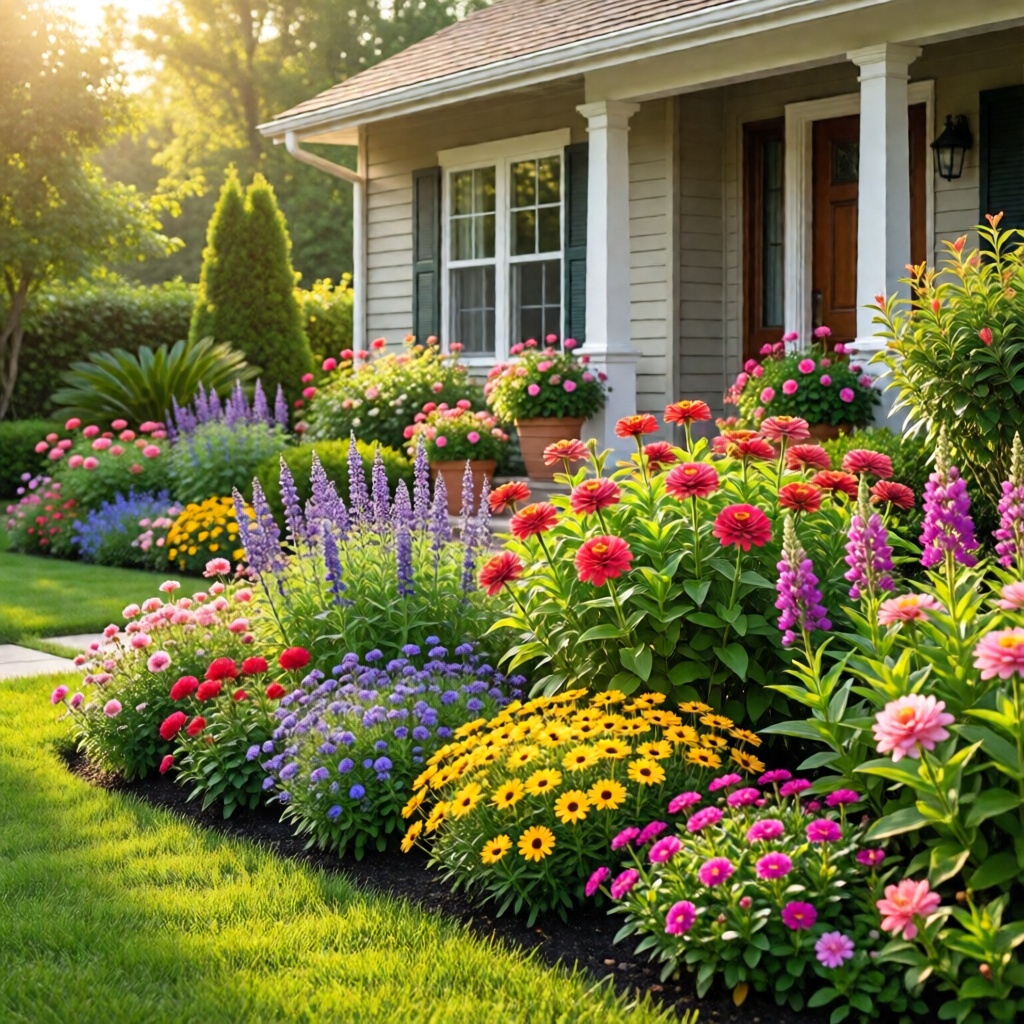
Seasonal Flower Bed Ideas
Spring Awakening
Early spring is the perfect time to showcase bold, cheerful colors. Plant tulips, daffodils, and hyacinths for instant impact, and add hostas for lush foliage. Pair these with early‑blooming forsythia shrubs for a burst of yellow that lasts weeks.
Summer Spectacle
During the hot months, choose heat‑tolerant plants that keep their color. Petunias, zinnias, and marigolds provide continuous bloom, while lavender adds fragrance and attracts pollinators. Incorporate a few ornamental grasses like Miscanthus to add movement in the breeze.
Fall Foliage and Warm Hues
As temperatures dip, transition to plants that showcase rich reds, oranges, and purples. Asters, chrysanthemums, and sedum thrive in cooler weather, and the foliage of Japanese maple or burning bush adds dramatic color contrast.
Winter Interest
Even in the dead of winter, a front flower bed can look inviting. Choose evergreens like boxwood or holly for structure, and add ornamental bark or snowdrops for subtle color. A well‑placed xeriscaping ideas for front yard can also ensure visual interest while conserving water.
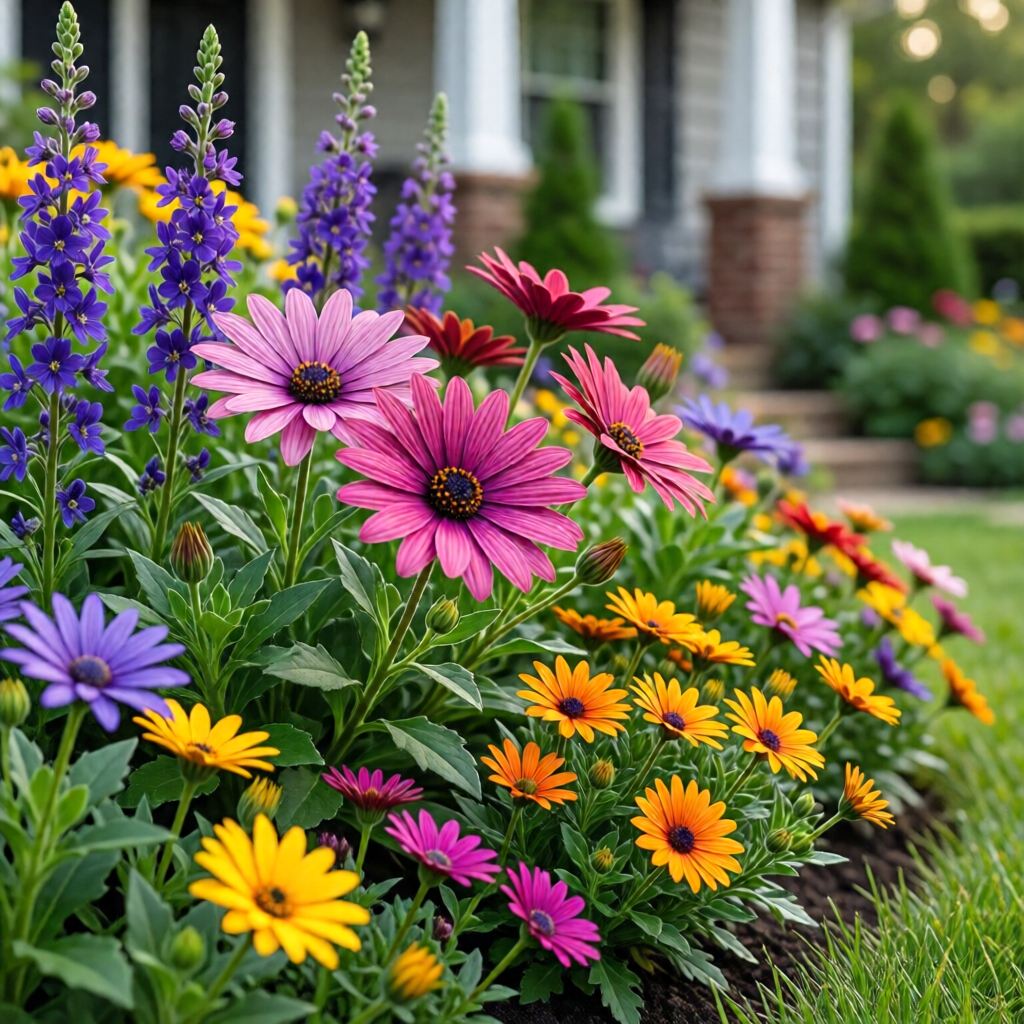
Low‑Maintenance and Drought‑Tolerant Options
Many homeowners want a gorgeous front display without the daily chore of watering and weeding. Drought‑tolerant plants such as yarrow, coreopsis, and echinacea thrive on minimal moisture once established. Pair them with a mulch layer of shredded bark or pine straw to retain soil moisture and suppress weeds. Installing a simple drip irrigation system can further reduce water usage while delivering precise hydration.
Choosing the Right Soil
Well‑draining soil is essential for drought‑tolerant success. Amend heavy clay with coarse sand or perlite, and incorporate organic compost to improve texture. A soil test can guide you on pH adjustments—most ornamental plants prefer a slightly acidic to neutral range (pH 6.0‑7.0).
Mulch Matters
Mulch not only conserves water but also adds a polished look. Use natural mulches like pine bark, which break down slowly and enrich the soil. For a modern aesthetic, consider decorative gravel or crushed stone—just be sure to add a weed barrier underneath.
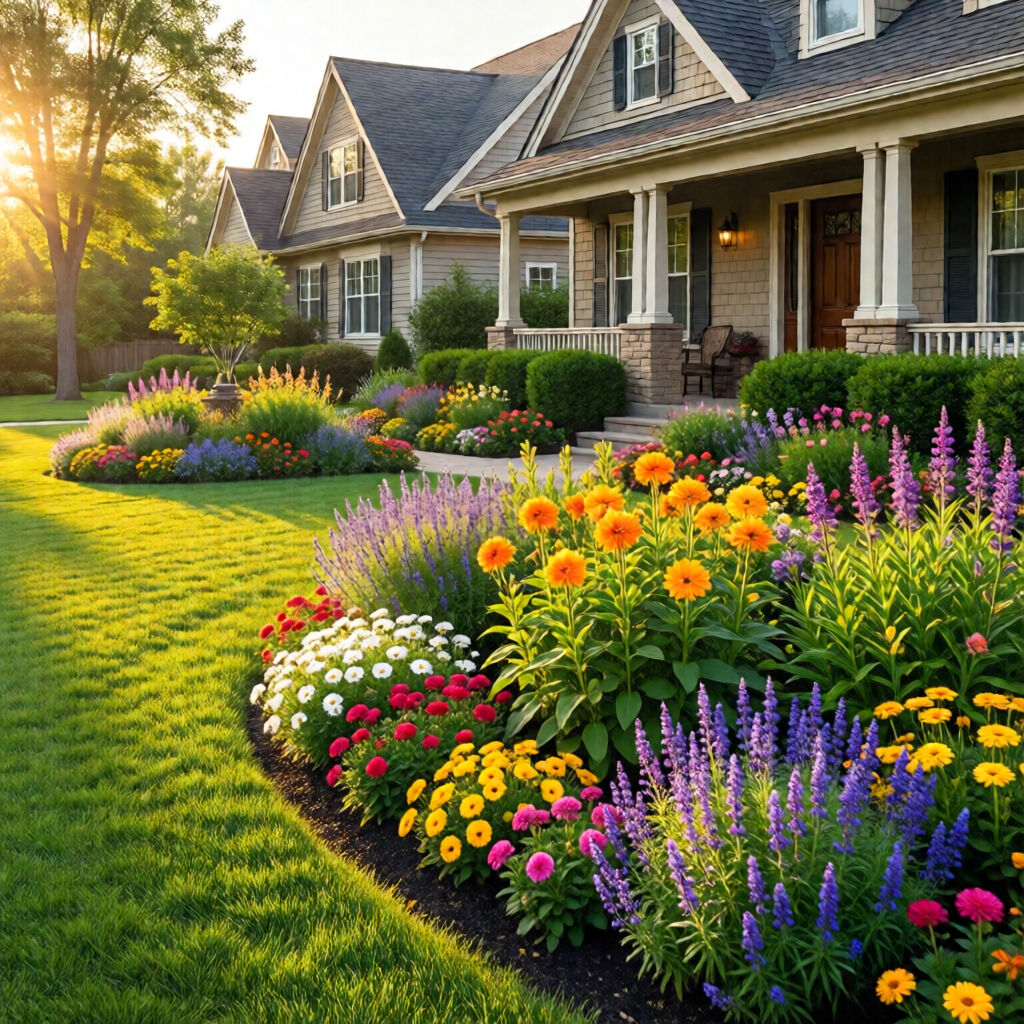
Incorporating Hardscape and Edging
Hardscape elements define the shape of a flower bed and guide foot traffic. Simple edging with brick, metal, or stone not only looks tidy but also prevents grass from encroaching. For a unique touch, try reclaimed wood or upcycled pavers.
Pathways and Walkways
A narrow stepping‑stone path leading to your front door invites guests to explore the garden up close. Choose stones that complement your home’s exterior—granite for a contemporary look, flagstone for a rustic vibe. Ensure the path is level and wide enough (at least 3 feet) for comfortable passage.
Garden Borders and Edges
Sharp, clean lines make a flower bed appear intentional. Visit garden border ideas for edges for inspiration ranging from low‑lying box hedges to decorative metal strips. Consistent edging also helps retain soil moisture and keeps mulch in place.
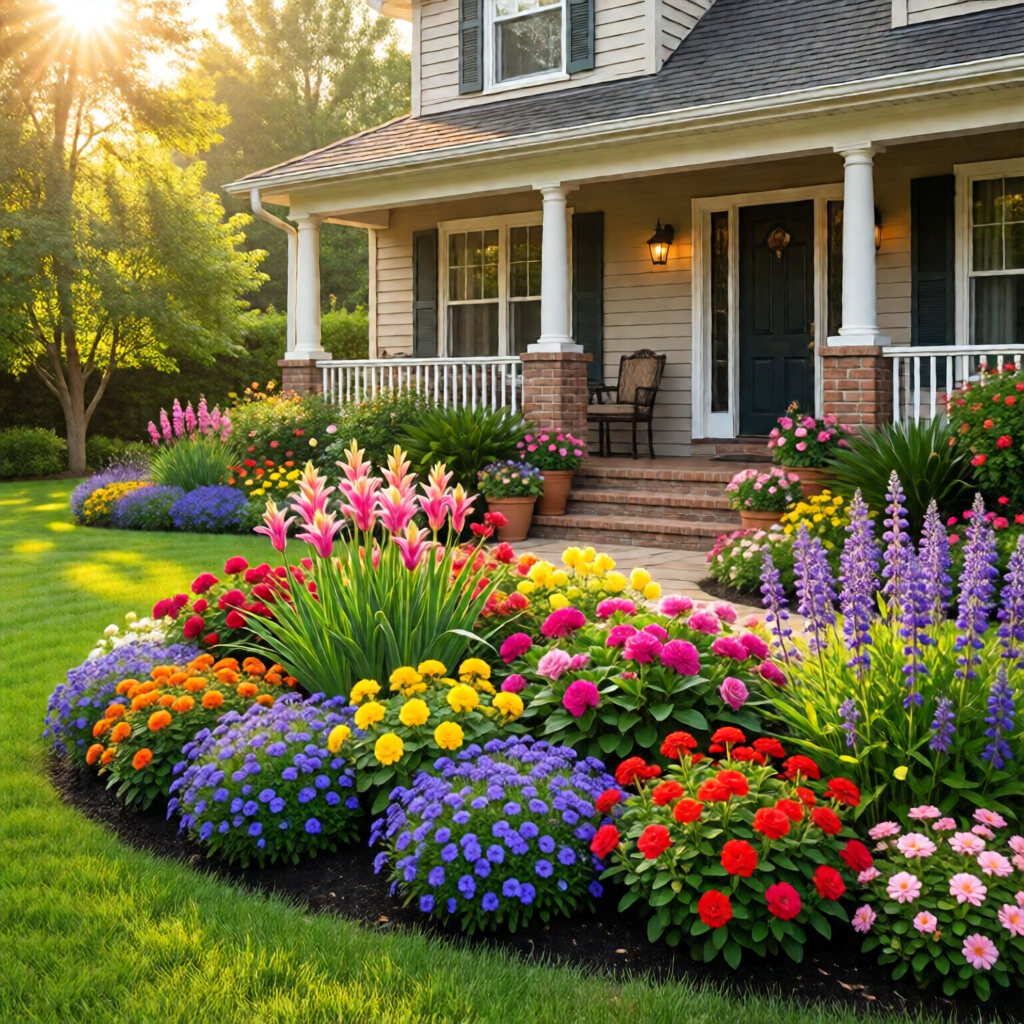
Plant Selection and Color Schemes
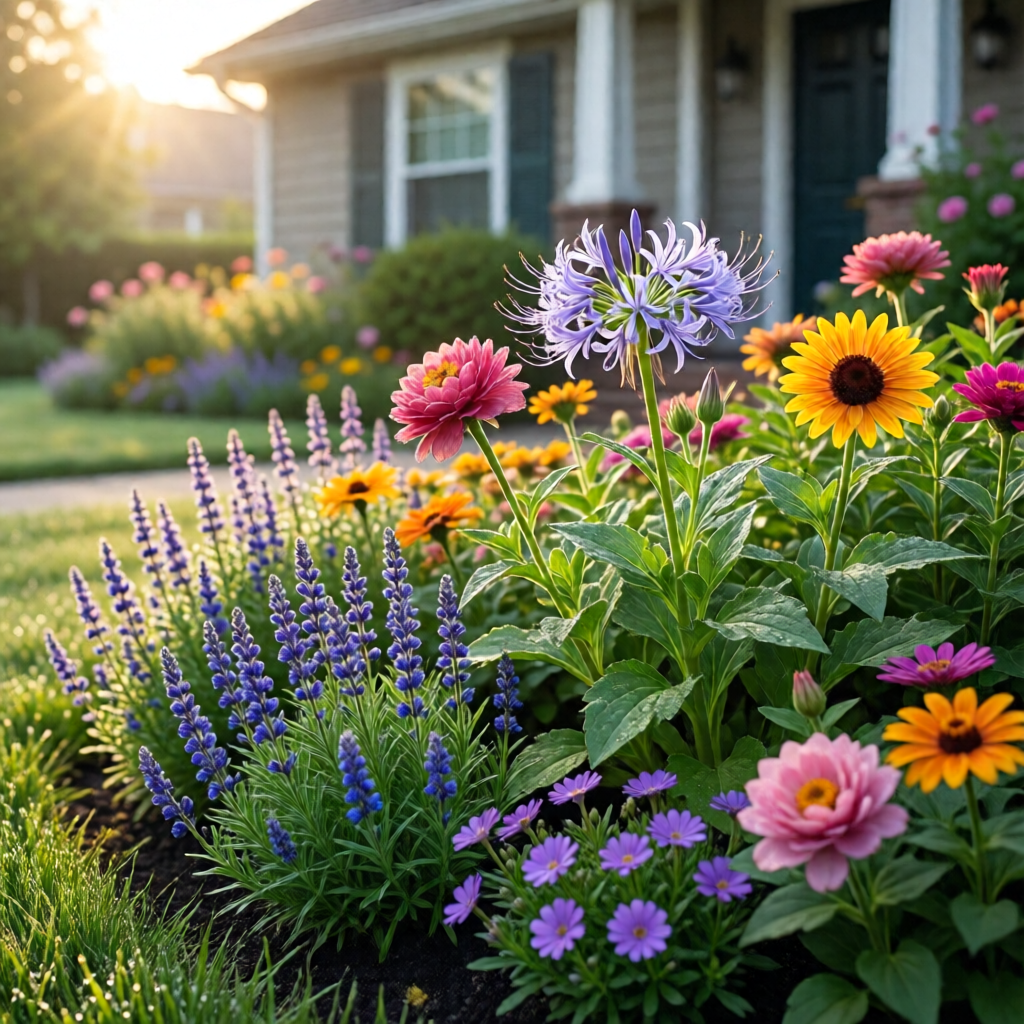
Choosing the right plants is the heart of any flower bed design. Consider your local climate zone, sunlight exposure, and the amount of maintenance you’re willing to invest. Below are three popular color schemes to inspire your palette.
Classic White & Green
A timeless combination, white blossoms like garden phlox, snowball viburnum, and white daisies paired with deep green foliage of hostas and boxwood create an elegant, low‑maintenance look that works year‑round.
Bold Warm Palette
For a dramatic, eye‑catching display, blend reds, oranges, and yellows. Use red geraniums, orange marigolds, and yellow coreopsis as the primary colors, and balance them with dark green foliage from heuchera or ferns. This scheme is perfect for homes with neutral exterior tones.
Cool Coastal Vibes
If you live near the coast or simply love a breezy feel, opt for blues, purples, and soft pinks. Salvia, lavender, and iris provide cool hues, while dusty miller adds a silvery backdrop that reflects sunlight and keeps the garden feeling fresh.
Mixing Perennials and Annuals
Combine long‑lasting perennials for structure with annuals for seasonal pops of color. Perennials like black-eyed Susan and daylilies return each year, while annuals like impatiens and begonias fill gaps and extend the bloom period.
Installation Steps: From Planning to Planting
1. Sketch Your Layout
Begin with a simple sketch on graph paper or a digital design tool. Mark the house’s footprint, driveway, and any existing trees or utilities. Outline the flower bed shape, noting where edges, pathways, and focal points will sit.
2. Prepare the Soil
Clear the area of weeds, grass, and debris. Loosen the top 12‑18 inches of soil with a spade or rototiller. Incorporate compost at a rate of 2‑3 inches to improve fertility and drainage.
3. Install Edging and Hardscape
Lay down edging material first, securing it with spikes or stakes. Then position stepping stones or a small walkway, ensuring a consistent slope away from the house for proper drainage.
4. Plant Strategically
Start with the tallest plants at the back or center, working outward to shorter varieties. Space each plant according to its mature width—crowding leads to poor air circulation and disease. Water each plant thoroughly after placement.
5. Mulch and Water
Apply a 2‑3 inch layer of mulch, keeping it a few inches away from plant stems to prevent rot. Set up a drip line or soaker hose to deliver deep, infrequent watering, encouraging deep root growth.
6. Ongoing Care
Deadhead spent blooms, prune back overgrown foliage, and fertilize lightly in early spring and midsummer. Keep an eye on pests; natural remedies like neem oil or insecticidal soap are effective for most garden insects.
Budget‑Friendly Ideas for a Show‑Stopping Front Bed
Designing a stunning front flower bed doesn’t have to break the bank. Here are cost‑saving strategies that still deliver high impact.
- Use Propagation: Take cuttings from existing perennials or borrow from neighbors to expand your plant collection for free.
- Buy in Bulk: Many nurseries offer discounts on bulk orders of annuals or seedlings.
- Replace Lawn with Groundcovers: Low‑maintenance groundcovers like creeping thyme or sedum can fill gaps and reduce the need for expensive turf.
- DIY Edging: Reuse reclaimed bricks, old pallets, or even bottle caps for creative, inexpensive edging.
- Seasonal Swaps: Plant annuals for a bold splash of color in spring and summer, then replace them with perennials or evergreens for winter interest.
Combining these ideas with the design principles above will give you a front flower bed that looks professionally curated without the professional price tag.
Integrating Additional Garden Features
Once your flower bed is established, consider adding complementary features to enhance its charm.
Vertical Gardens
If space is limited, a trellis or wall-mounted planter can add height and visual interest. Climbing roses, clematis, or even a fragrant how to grow wisteria on pergola can cascade over the structure, creating a lush backdrop.
Water Elements
A small fountain or birdbath adds soothing sounds and attracts wildlife. Position it near the focal point for maximum visual impact.
Lighting
Solar‑powered LED lights along pathways or spotlights aimed at key plants extend the garden’s beauty into the evening. Warm‑white lights highlight flower colors without overwhelming the senses.
Expert Tips for Long‑Term Success
- Rotate Plantings: Every 2‑3 years, shift annuals and replace perennials that have become woody or diseased to keep the bed fresh.
- Soil Testing: Conduct a soil test every 3‑5 years to monitor nutrient levels and adjust fertilization accordingly.
- Seasonal Clean‑Up: Remove fallen leaves and spent stems in fall to prevent mold and pests.
- Companion Planting: Pair nectar‑rich flowers like lavender with herbs such as rosemary to deter pests naturally.
- Stay Local: Choose plants that are native to your USDA hardiness zone for the best performance and minimal maintenance.
With thoughtful planning, the right plant choices, and a sprinkle of creativity, your front flower bed can become the pride of your property—a living canvas that greets you and your neighbors with beauty year after year.
What are the best low‑maintenance flowers for a front yard?
Low‑maintenance options include lavender, yarrow, coreopsis, coneflower (Echinacea), and ornamental grasses like feather reed grass. These plants require minimal watering once established and provide long‑lasting color.
How can I create a flower bed that looks good year‑round?
Combine evergreen shrubs for structure, spring bulbs for early color, summer annuals for continuous bloom, fall perennials for warm hues, and winter interest plants like ornamental bark or snowdrops. Layering ensures visual appeal in every season.
What spacing should I use when planting perennials in a front flower bed?
Space plants according to their mature width—generally 12‑18 inches for medium perennials and 24‑36 inches for larger varieties. Proper spacing promotes air circulation and reduces disease risk.
Can I use recycled materials for edging my flower bed?
Yes, reclaimed bricks, old pallets, bottle caps, and even repurposed metal can create attractive, budget‑friendly edging. Just ensure the material is sturdy and installed securely.
How do I protect my front flower bed from winter freeze damage?
Apply a layer of mulch to insulate roots, choose hardy plant varieties, and water thoroughly before a hard freeze. For delicate perennials, consider covering with burlap or a frost cloth on particularly cold nights.