Rock gardens bring a touch of natural drama to any outdoor space, offering a low‑maintenance, drought‑tolerant oasis that showcases the beauty of stone, texture, and hardy plants. Whether you have a sprawling backyard, a modest patio, or a sloping hillside, thoughtful rock garden landscaping can transform overlooked corners into eye‑catching focal points that thrive year after year. In this guide, we’ll explore practical tips, expert advice, and actionable ideas to help you design a rock garden that feels both effortless and spectacular.
Understanding the Basics of Rock Garden Design
Before you start moving rocks, it’s essential to grasp the core principles that make a rock garden successful. A well‑designed rock garden mimics natural alpine or desert environments, balancing stone, soil, and plant life to create a harmonious composition. Key considerations include:
- Scale and proportion: Choose rocks that suit the size of your space. Large boulders dominate small yards, while smaller stones work better in tight spots.
- Drainage: Rock gardens require excellent drainage to prevent waterlogged soil, which can harm many drought‑tolerant plants.
- Micro‑climates: Observe sun exposure, wind patterns, and heat zones to place plants where they’ll thrive.
- Texture contrast: Combine smooth river rocks with jagged granite to add visual interest.
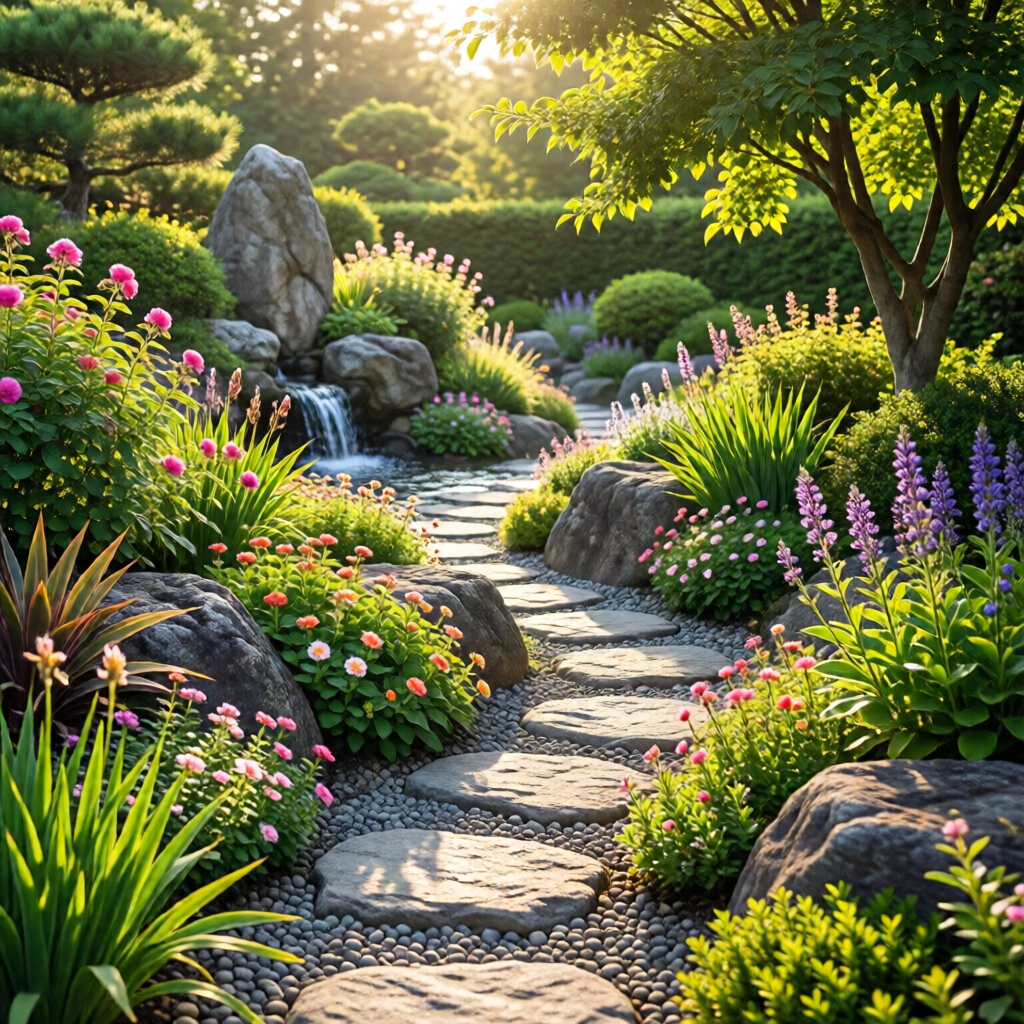
Planning Your Rock Garden Layout
Effective planning saves time, money, and effort. Start by sketching a rough site plan on graph paper or using a digital garden design tool. Mark existing features such as pathways, utilities, and shade trees. Then, consider the following steps:
1. Define the Garden’s Purpose
Do you want a tranquil retreat, a vibrant color showcase, or a functional space for outdoor gatherings? Your purpose will guide plant selection, rock placement, and additional elements like seating or water features.
2. Map Sunlight and Shade Zones
Track the sun’s path over a typical summer day. Most rock‑garden plants prefer full sun (6‑8 hours), but incorporating shade‑loving varieties can add depth and seasonal variation.
3. Establish a Drainage Strategy
Excavate the planting area to a depth of 6‑12 inches, creating a gently sloping base that directs water away from the garden’s center. Incorporate a layer of coarse sand or crushed stone beneath the topsoil to enhance drainage.
4. Choose a Focal Point
Every rock garden benefits from a centerpiece—whether it’s a dramatic boulder, a sculptural statue, or an eye‑catching water feature. Position this focal point where it naturally draws the eye, often near an entrance or along a primary sightline.
When you’ve finalized the layout, gather your materials and begin arranging rocks before planting. This “dry run” lets you adjust the composition for balance and flow.
Selecting the Right Rocks and Materials
The rocks you choose set the tone for the entire garden. Here’s how to select stones that complement your design vision:
Types of Rocks
- River stones: Smooth, rounded stones ideal for creating pathways or a gentle riverbed effect.
- Granite boulders: Hard, angular stones that add bold structure and work well as focal points.
- Limestone: Light‑colored and porous, perfect for adding a subtle, natural hue.
- Volcanic basalt: Dark, textured rocks that provide striking contrast against lighter foliage.
Size and Placement
Combine a variety of sizes for visual interest: place larger rocks at the back or center, and use smaller stones to fill gaps and create a natural “rock‑to‑soil” transition. Avoid stacking rocks in perfect piles; instead, mimic how stones naturally settle after a landslide or erosion event.
Preparing Rocks for the Garden
Rinse stones thoroughly to remove dirt and debris. If you’re using reclaimed or garden‑center rocks, consider applying a breathable sealant to protect them from excessive water absorption while still allowing moisture to escape.
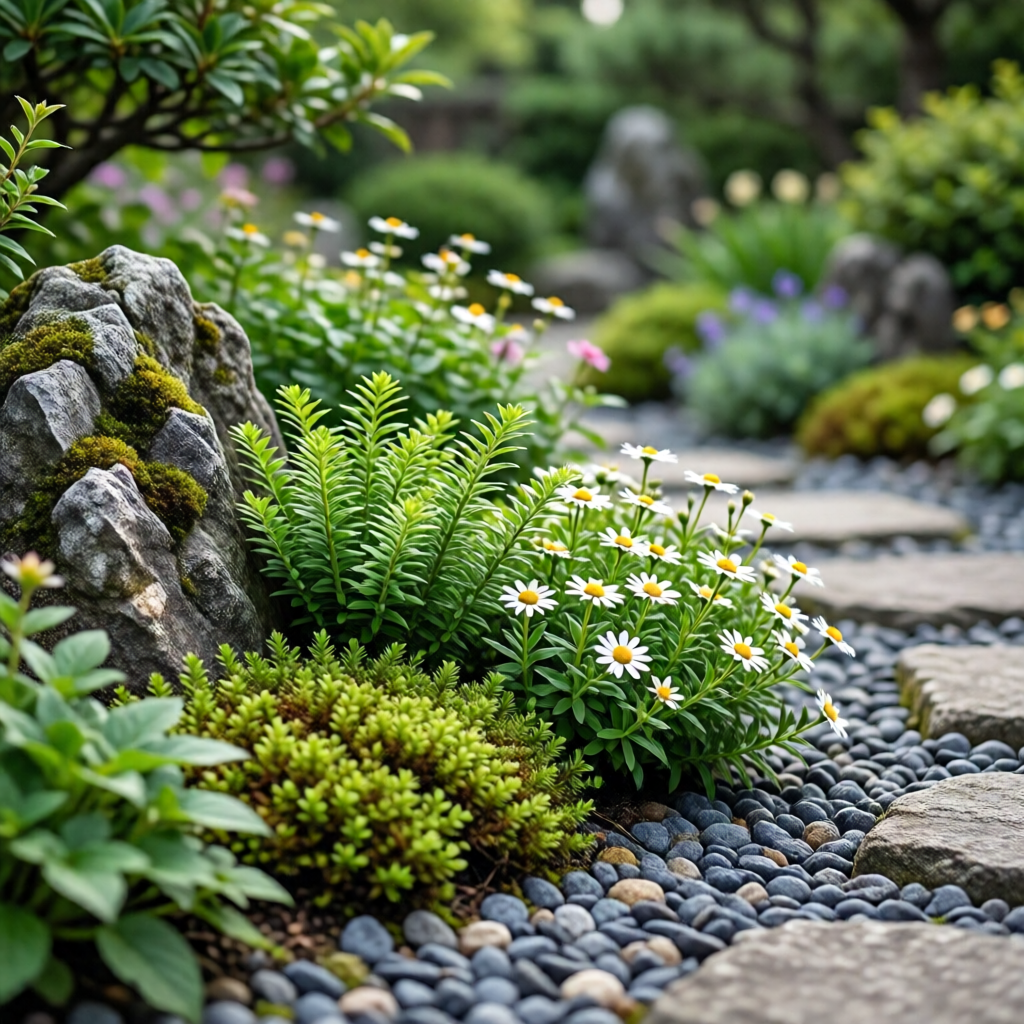
Choosing Plants for a Thriving Rock Garden
The right plant palette is crucial for a rock garden that looks vibrant year after year. Focus on species that are drought‑tolerant, low‑maintenance, and capable of thriving in well‑drained soil. Below are plant categories and specific recommendations for U.S. gardeners:
Alpine and Dwarf Perennials
- Edelweiss (Leontopodium alpinum) – Silvery foliage and fluffy white flowers, perfect for sunny spots.
- Aquilegia (Columbine) – Delicate, nodding blooms in spring, thriving in rocky soil.
- Thyme (Thymus serpyllum) – Aromatic groundcover that fills gaps between stones.
Succulents and Drought‑Resistant Plants
- Echeveria – Rosette‑forming succulents that add sculptural interest.
- Sedum (Stonecrop) – Low‑lying, mat‑forming varieties that tolerate heat.
- Agave – Architectural focal points with dramatic leaf forms.
Ornamental Grasses and Ferns
- Pennisetum alopecuroides (Fountain Grass) – Soft, feathery plumes that sway in the breeze.
- Carex (Sedge) – Offers texture and movement.
- For shady niches, consider a calathea care guide for beginners to incorporate Calathea species, which love indirect light and add lush foliage.
Seasonal Color and Interest
Incorporate bulbs like Daffodil (Narcissus) or Crocus for early spring color, and add late‑season bloomers such as Aster or Russian Sage (Perovskia atriplicifolia) for autumnal hues.
When planting, space each specimen according to its mature size, allowing room for air circulation and growth. Group plants with similar water and light needs together to simplify maintenance.
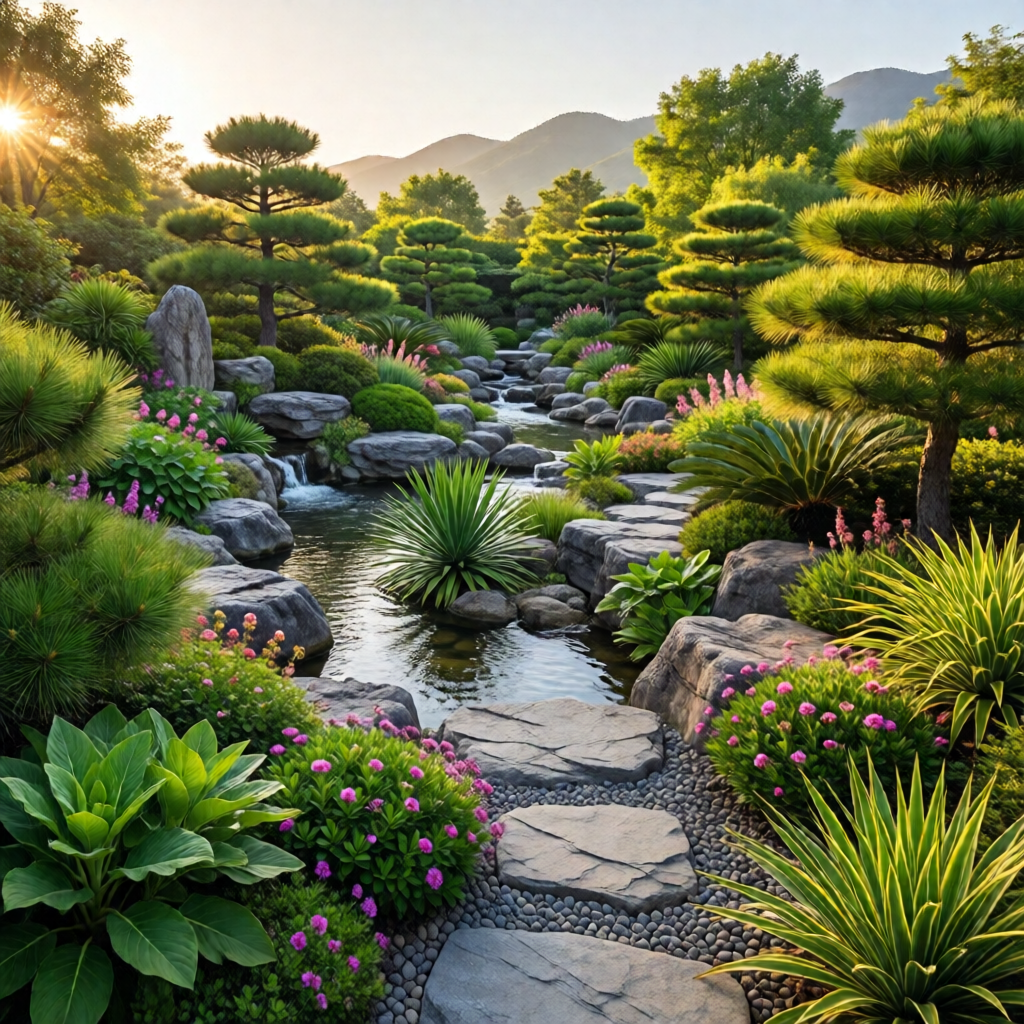
Creative Layout Ideas and Themes
Now that you have the building blocks—rocks, soil, and plants—let’s explore specific design ideas that can elevate your rock garden from ordinary to extraordinary.
1. Alpine Terrace Garden
Build a stepped terrace using retaining walls of stone. Plant alpine perennials like Edelweiss and Alpine Phlox on each level. This creates a cascading effect that mimics mountain slopes.
2. Desert‑Style Oasis
Combine large basalt boulders with a mix of agaves, yuccas, and ornamental grasses. Use a sandy, well‑draining substrate and add a low‑profile fire pit for evening gatherings.
3. Zen‑Inspired Rock Garden
Integrate smooth river stones, a simple raked gravel base, and minimal plantings of dwarf bamboo or Japanese moss. For a touch of tranquility, incorporate a small water basin or bamboo fountain. Check out our zen garden design for backyard for additional inspiration.
4. Vertical Rock Garden
Attach a living wall of trailing succulents and small ferns to a vertical stone backdrop. This is perfect for small patios or urban spaces. For more ideas, explore vertical garden wall ideas outdoor.
5. Edible Rock Garden
Blend culinary herbs like rosemary, thyme, and sage among the rocks. Use raised rock beds to create a visually appealing herb garden that also doubles as a functional cooking space. Discover vertical vegetable garden ideas for further guidance.
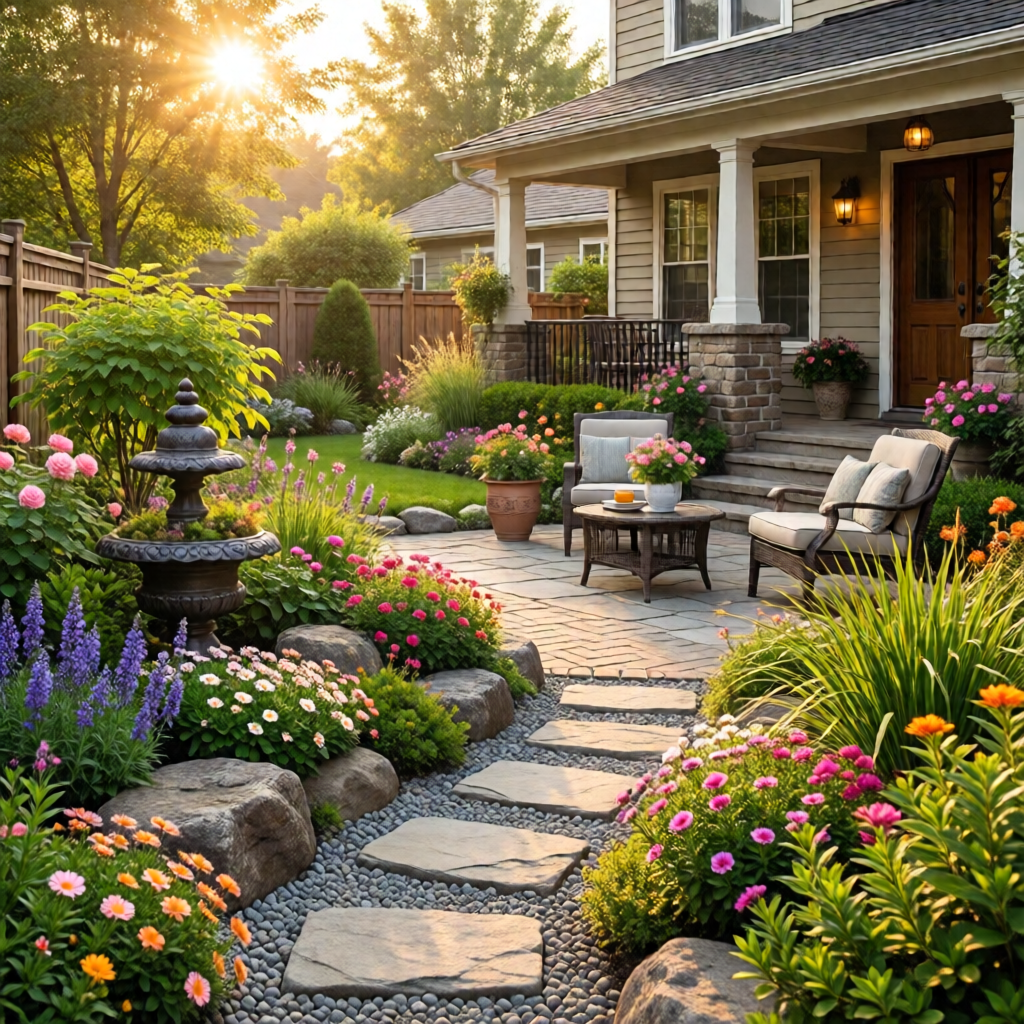
Practical Tips for Building and Maintaining Your Rock Garden
Soil Preparation
Rock garden soil should be gritty and well‑draining. A common mix includes 40% coarse sand, 30% compost, 20% peat moss, and 10% perlite or fine gravel. This blend retains enough moisture for plant health while preventing water from pooling around roots.
Planting Techniques
When placing a plant, dig a hole slightly larger than the root ball, backfill with the prepared soil mix, and press gently to eliminate air pockets. Water thoroughly after planting, then let the soil dry out before the next watering.
Watering Schedule
During the first growing season, water new plants twice a week to help them establish deep roots. After establishment, reduce watering to once every 10‑14 days, depending on rainfall and temperature. Use a drip irrigation system or a soaker hose to deliver water directly to the soil, minimizing evaporation.
Weed Management
Mulch with a thin layer of crushed granite or river rock to suppress weeds while maintaining the garden’s aesthetic. Hand‑pull any invasive weeds before they set seed.
Seasonal Care
- Spring: Prune dead foliage, divide overcrowded perennials, and add fresh mulch.
- Summer: Monitor for drought stress; provide supplemental watering during heatwaves.
- Fall: Apply a light layer of compost to enrich the soil for winter.
- Winter: Protect delicate plants with burlap or a cold frame, especially in colder regions.
Adding Hardscape Features for Extra Appeal
Hardscape elements can turn a simple rock garden into a destination space. Consider the following additions:
Pathways and Steps
Lay stepping stones or flagstones through the garden, using natural gravel between them for a rustic look. Ensure pathways are wide enough (minimum 18 inches) for comfortable passage.
Seating Nooks
Incorporate a low bench made from reclaimed wood or stone. Position it near the focal point for a perfect spot to relax and enjoy the scenery. For larger gatherings, a garden gazebo can create a shaded retreat—see our garden gazebo ideas and designs for inspiration.
Water Features
A small recirculating fountain or pebble‑filled pond adds sound and movement, enhancing the garden’s tranquility. Choose a solar‑powered pump for an eco‑friendly option.
Lighting
Install low‑voltage LED uplights to highlight dramatic boulders after dark. Solar path lights along walkways provide subtle illumination without wiring.
Budget‑Friendly Strategies
Creating a stunning rock garden doesn’t have to break the bank. Here are cost‑saving ideas:
- Use locally sourced stones: Collect rocks from your property or nearby construction sites (with permission).
- Repurpose materials: Old concrete pavers can serve as stepping stones.
- DIY containers: Convert large terracotta pots or metal barrels into planters for succulents.
- Propagate plants: Take cuttings from existing garden perennials to expand your plant collection.
Putting It All Together: A Step‑by‑Step Walkthrough
- Site Assessment: Measure the area, note sunlight, and mark drainage needs.
- Design Sketch: Draw a layout including rock placement, plant zones, and hardscape features.
- Excavation: Remove existing soil to the required depth, ensuring a slight slope for drainage.
- Base Layer: Add 3‑4 inches of coarse sand or crushed stone for drainage.
- Rock Placement: Arrange boulders and stones according to your design, stepping back frequently to assess balance.
- Soil Mix: Fill gaps with the prepared gritty soil mix.
- Planting: Position plants, press soil around roots, and water thoroughly.
- Mulching: Spread a thin layer of decorative rock mulch.
- Hardscape Installation: Add pathways, seating, and lighting.
- Final Touches: Step back, adjust any out‑of‑place rocks, and enjoy your new garden.
Following these steps ensures a cohesive, functional, and beautiful rock garden that you can be proud of.

Conclusion: Embrace the Timeless Beauty of Rock Gardens
Rock garden landscaping offers a unique blend of artistry, sustainability, and low‑maintenance appeal. By thoughtfully selecting stones, curating a resilient plant palette, and integrating functional hardscape elements, you can create a garden that not only enhances your property’s curb appeal but also provides a peaceful retreat for years to come. Remember to observe your garden’s micro‑climate, adjust watering practices, and enjoy the evolving beauty of each season. With the ideas and expert tips outlined above, you’re equipped to embark on a rock garden project that reflects your personal style and the natural landscape of the United States.
What types of rocks are best for a beginner rock garden?
Start with a mix of river stones for pathways, medium‑sized granite or limestone for focal points, and smaller crushed stone for ground cover. These varieties are widely available, easy to work with, and provide a good balance of texture and durability.
How can I improve drainage in a rock garden?
Excavate the planting area to create a gentle slope, then lay a base layer of coarse sand or crushed stone before adding a gritty soil mix (sand, compost, peat moss, perlite). This layered approach ensures excess water drains away quickly.
Which plants are most drought‑tolerant for rock gardens?
Succulents such as Echeveria and Sedum, alpine perennials like Edelweiss, and hardy herbs such as thyme and rosemary thrive in dry, well‑drained conditions typical of rock gardens.
Can I incorporate edible plants into a rock garden?
Yes! Herbs like rosemary, thyme, sage, and even dwarf varieties of lavender fit beautifully among rocks. Their low‑growth habit and drought tolerance make them perfect companions for ornamental stones.
How often should I water a newly planted rock garden?
During the first growing season, water new plants two to three times per week until they establish strong root systems. After that, reduce watering to once every 10‑14 days, adjusting for rainfall and temperature.
2 réflexions au sujet de “Rock Garden Landscaping Ideas – Expert Guide and Ideas”