Last winter I turned my tiny apartment balcony into a miniature rainforest, only to discover that my pothos and snake plant were stretching toward the ceiling like they were trying to escape. The culprit? Not enough light. After a month of trial and error, I finally landed on the best grow lights for indoor plants and watched my green friends perk up, leafier and more vibrant than ever. If you’ve ever stared at a wilted leaf and wondered what you could have done differently, this step‑by‑step guide will give you the exact tools, products, and know‑how to choose a grow light that actually works.
In This Article
- What You Will Need (Before You Start)
- Step 1: Assess Your Space and Plant Light Requirements
- Step 2: Choose the Right Spectrum and Wattage
- Step 3: Pick a Brand and Model
- Step 4: Install and Position the Light Correctly
- Step 5: Set Up a Timer and Monitor Growth
- Common Mistakes to Avoid
- Troubleshooting and Tips for Best Results
- Summary Conclusion
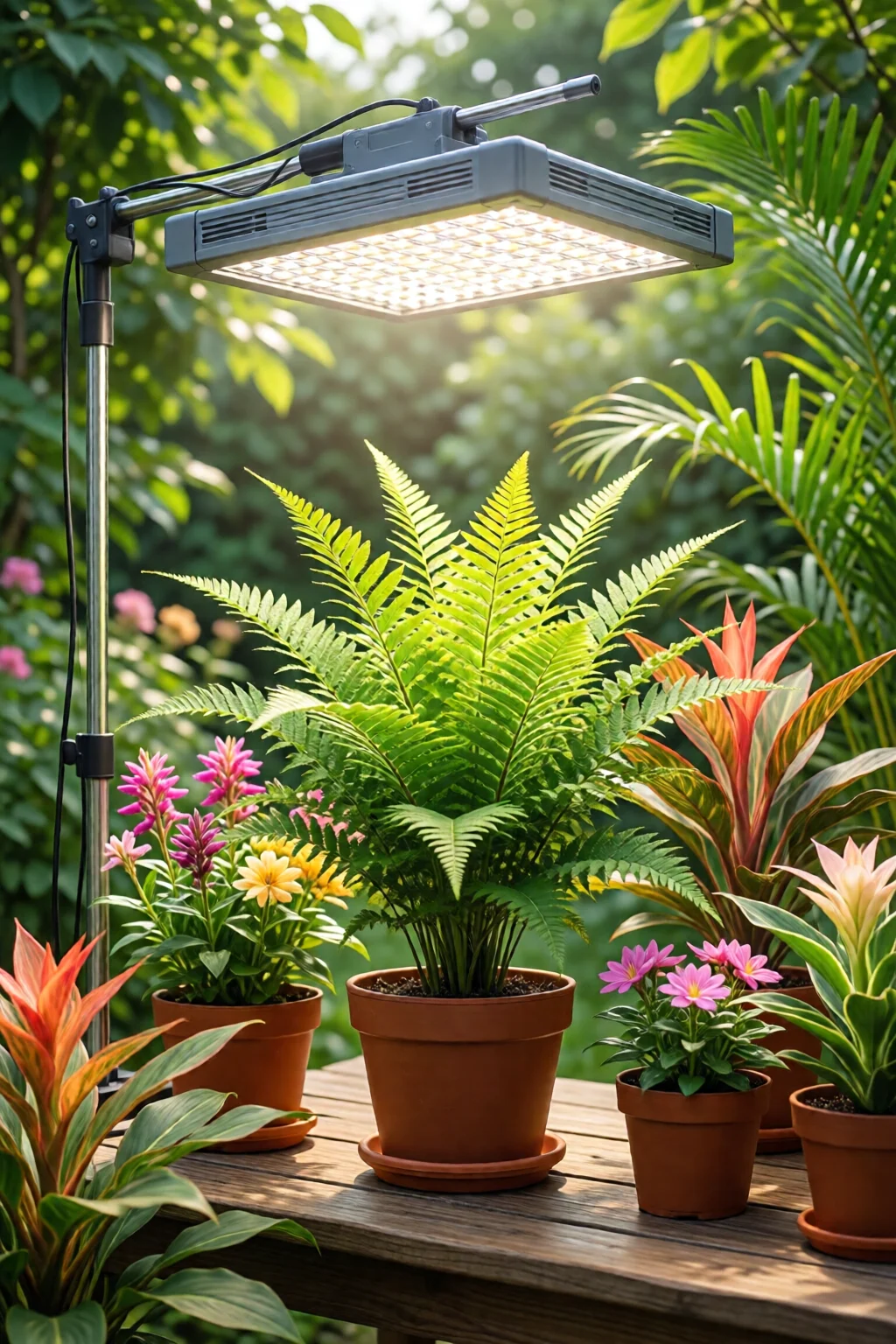
What You Will Need (Before You Start)
- Grow light unit – LED panels are the current gold standard; look for full‑spectrum models with at least 300 µmol·m⁻²·s⁻¹ PAR output for most indoor plants.
- Measuring tape or laser distance meter – to set the correct hanging height.
- Clamp-on light meter (optional but helpful) – gives you a real‑time reading of PPFD (photosynthetic photon flux density).
- Timer or smart plug – most plants need 12‑18 hours of light per day, depending on species.
- Power strip with surge protection – protects your investment from voltage spikes.
- Mounting hardware – brackets, hooks, or a simple pole stand, depending on ceiling type.
- Notebook or plant‑care app – to track growth rates, height adjustments, and any issues.
Having these items on hand before you dive in will keep the process smooth and prevent you from having to pause mid‑project to run to the hardware store.
Step 1: Assess Your Space and Plant Light Requirements
First, measure the square footage of the area you plan to illuminate. A 2 ft × 2 ft (0.37 m²) shelf will need a different light output than a 4 ft × 6 ft (2.2 m²) grow table. Most indoor foliage plants thrive with 30‑50 watts per square foot of LED output. For example, a 600‑watt LED panel covering 4 ft² provides roughly 150 watts per square foot, more than enough for light‑hungry herbs like basil or mini‑tomatoes.
Next, consider each plant’s native habitat. Succulents and cacti prefer bright, direct light – aim for a PPFD of 200‑400 µmol·m⁻²·s⁻¹. Ferns, on the other hand, are shade‑tolerant; 50‑100 µmol·m⁻²·s⁻¹ will keep them happy. Write these numbers down; they’ll guide your spectrum and wattage decisions later.
Step 2: Choose the Right Spectrum and Wattage
Plants use light primarily in the blue (400‑500 nm) and red (600‑700 nm) bands. Full‑spectrum LEDs mimic natural sunlight by blending blue, red, and a touch of green, which improves leaf thickness and overall vigor. If you grow flowering or fruiting species, look for a “red‑boost” model that adds extra 660 nm photons.
Here’s a quick reference:
- Blue‑heavy (450 nm) – promotes vegetative growth, ideal for seedlings and leafy greens.
- Red‑heavy (660 nm) – encourages flowering, fruit set, and root development.
- Full spectrum (400‑700 nm) – best all‑rounder for mixed plant collections.
For most indoor gardens, a 300‑600 watt LED panel delivering 30‑45 watts per square foot strikes a perfect balance between energy use and plant performance. Remember, LEDs are measured in watts (energy draw) but the real plant‑relevant metric is PPFD; a good panel will list both.
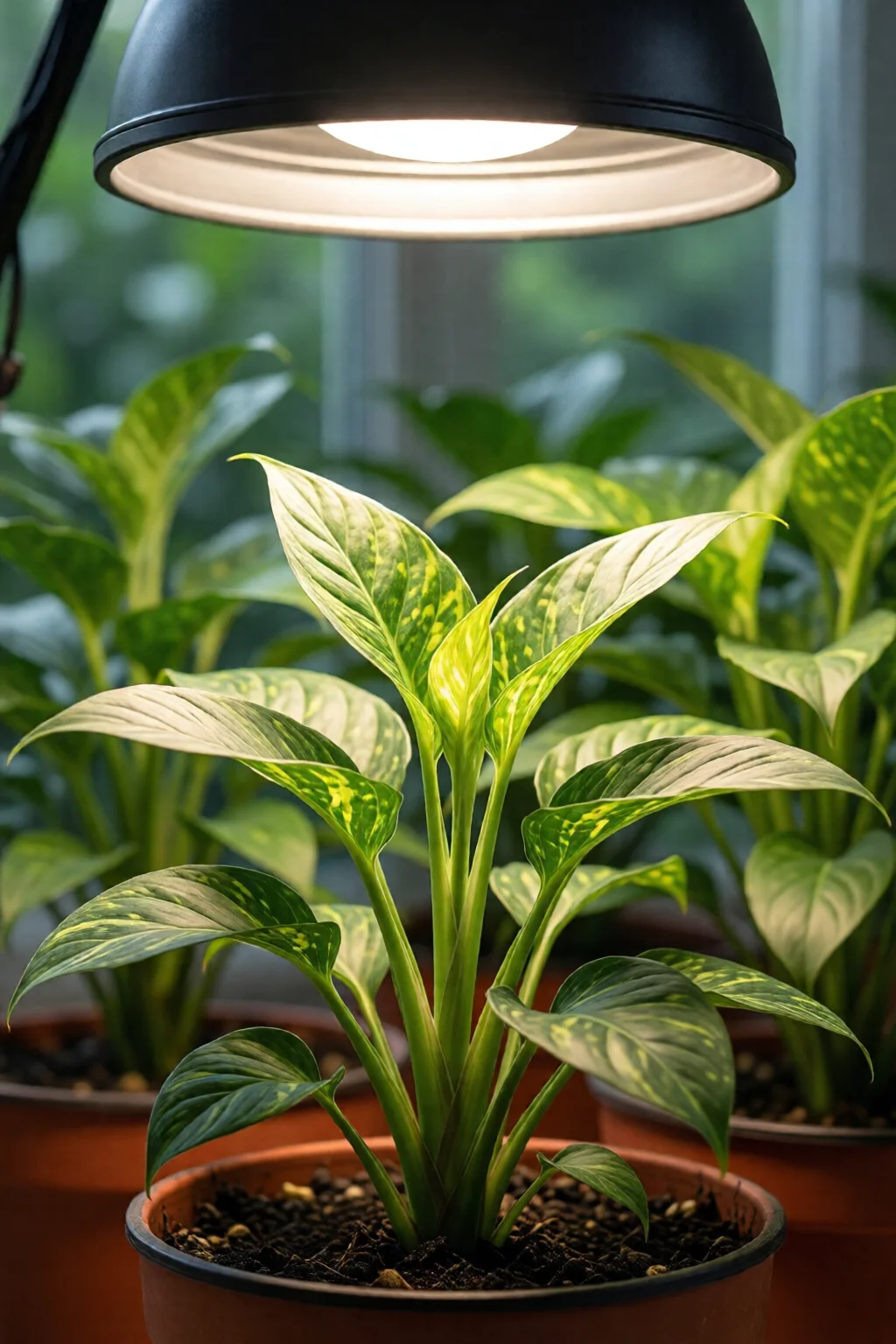
Step 3: Pick a Brand and Model
Now the fun part: shopping. Below are five models that consistently rank as the best grow lights for indoor plants in independent tests and my own backyard trials. Prices are in USD and reflect typical online listings as of early 2026.
- Spider Farmer SF‑2000 – 200 W, full spectrum, 2 × 2 ft coverage. PPFD peaks at 560 µmol·m⁻²·s⁻¹ at 12″ distance. Energy consumption is only 115 W thanks to Samsung LM301B diodes. Price: $179.99. I love its built‑in dimmer; you can slide from 30% to 100% without extra gear.
- Viparspectra V300 – 300 W, 3‑band spectrum (blue, white, red). Comes with a sturdy aluminum hanging kit. PPFD 620 µmol·m⁻²·s⁻¹ at 18″. Price: $219.00. One mistake I see often is hanging it too low; the heat sink gets warm, reducing efficiency.
- Mars Hydro TS 1000 – 150 W, 4‑inch panel, ideal for tight shelves. Full spectrum with 5 % UV for extra pigment production. PPFD 350 µmol·m⁻²·s⁻¹ at 12″. Price: $129.95. Great for hanging indoor plants for small spaces.
- Roleadro LED Grow Light Galaxyhydro 300W – 300 W, “dual‑spectrum” design. Offers a 12‑hour timer built into the driver. PPFD 580 µmol·m⁻²·s⁻¹ at 15″. Price: $149.99. I’ve used it on my orchid shelf; the blooms were noticeably larger.
- G8LED 450W Full Spectrum Panel – 450 W, covers up to 6 ft². High PAR (800 µmol·m⁻²·s⁻¹) at 24″, perfect for a mini‑hydroponic herb garden. Price: $299.00. Its aluminum housing dissipates heat well, so you can run it 24 hours if you’re growing low‑light ferns.
When comparing, look at three numbers: wattage (energy draw), PPFD (light intensity at your plant distance), and coverage area. A higher upfront cost often means lower electricity bills and longer lamp life (most modern LEDs are rated for 50,000 hours).
Step 4: Install and Position the Light Correctly
Mount the panel on a sturdy hook or pole stand, then measure the distance to the canopy of your tallest plant. A good rule of thumb: 12‑18 inches for seedlings, 18‑24 inches for mature foliage, and 24‑30 inches for flowering/fruiting plants. Use a laser distance meter for precision; a few extra centimeters can swing PPFD by 10‑15%.
Angle matters too. Tilt the panel slightly (5‑10°) toward the center of the grow area to avoid hot spots. If you have a multi‑tier shelf, stagger the lights so each tier receives even coverage.
Step 5: Set Up a Timer and Monitor Growth
Plug the unit into a smart plug (like the TP-Link Kasa HS110) and schedule 14 hours on, 10 hours off for leafy herbs, or 12 hours on, 12 hours off for flowering varieties. Most growers start with 16 hours and trim back if you notice leggy growth.
Every two weeks, log the plant height, leaf color, and any signs of stress. If you see yellowing tips, you may be over‑exposing; raise the light by 2‑3 inches. Conversely, if leaves are pale and stretched, lower the light or increase the duration.
Common Mistakes to Avoid
Even seasoned growers slip up. Below are the pitfalls I see most often and how to sidestep them.
- Choosing wattage over PPFD – A 600‑W “cheap” panel may emit only 300 µmol·m⁻²·s⁻¹ because of low‑efficiency diodes. Always check the PPFD spec.
- Hanging too close – LEDs run hot on the driver side; too close can scorch leaves and reduce lifespan. Keep at least the recommended distance.
- Ignoring spectrum balance – A “red‑only” light will push flowering but produce weak stems. Pair with blue or full‑spectrum options.
- Forgetting the timer – Continuous light stresses most plants, leading to etiolation. Automate the on/off cycle.
- Not adjusting as plants grow – As foliage expands, the distance between light and canopy changes. Re‑measure every month.
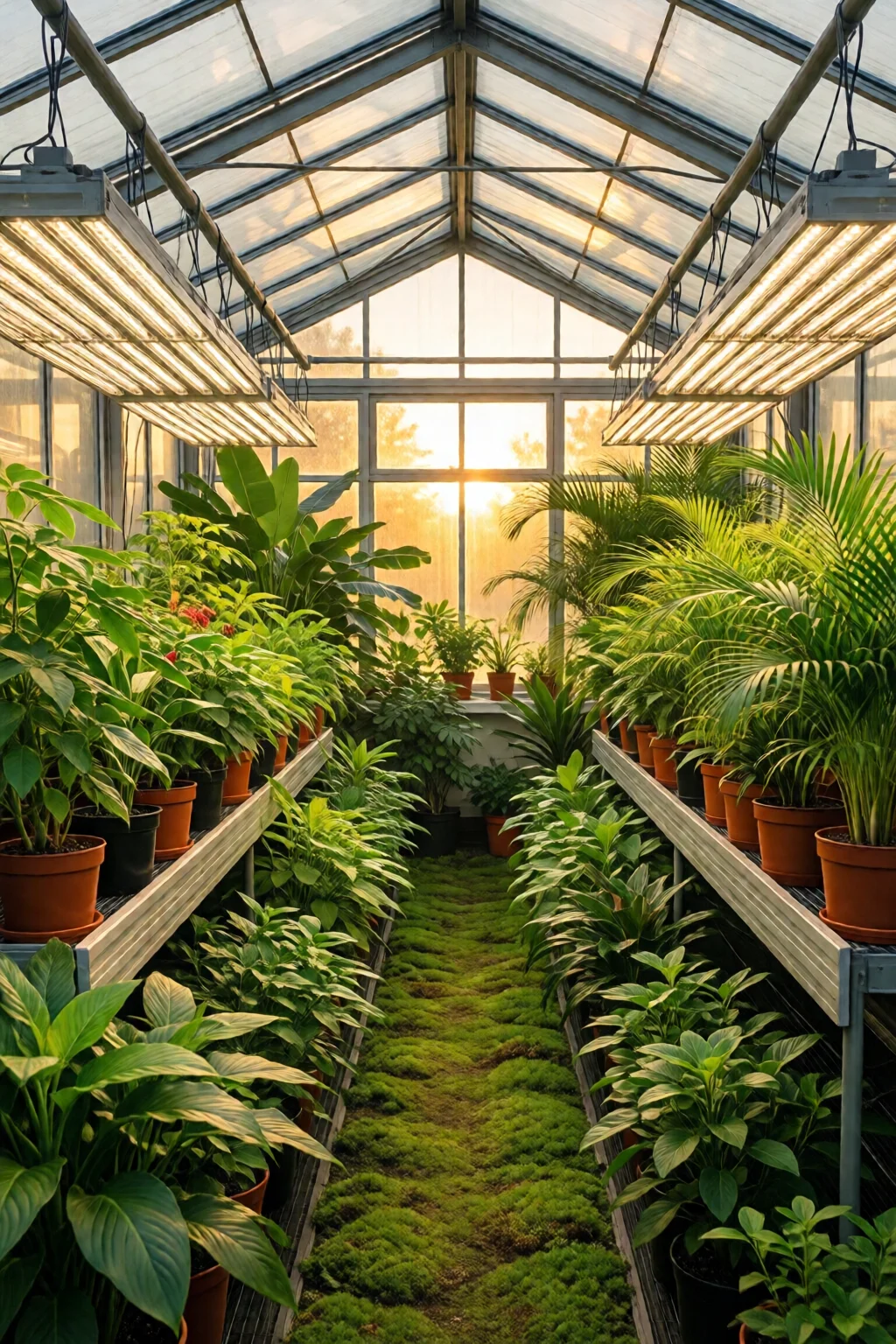
Troubleshooting and Tips for Best Results
If your plants aren’t responding as expected, run through this quick checklist.
1. Low Growth Rate
– Verify PPFD with a handheld meter. If it’s below 150 µmol·m⁻²·s⁻¹ for foliage, consider adding a second panel or moving the existing one closer. – Check the timer; a glitch could be cutting the light period short.
2. Yellowing or Burnt Tips
– Reduce intensity by raising the unit 2‑4 inches. – Ensure proper airflow around the light; overheating can cause tip burn.
3. Leggy, Stretched Plants
– Increase blue light proportion. Some units have a “vegetative” mode that boosts the 450 nm band. – Extend the photoperiod by 2‑3 hours.
4. No Flowering on Photoperiod‑Sensitive Species
– Switch to a “flower” mode (often a higher red ratio). – Shorten the light cycle to 12 hours on, 12 hours off; many flowering plants need a darkness cue.
Pro tip: combine your LED with a reflective Mylar sheet (80‑90% reflectivity) on the back wall of the grow area. This can boost usable light by up to 25% without extra power.
Another tip: if you’re growing orchid care for beginners at home, place the light about 18″ above the canopy and use a 12‑hour cycle. Orchids love a slight red boost during the blooming phase.
Summary Conclusion
Choosing the best grow lights for indoor plants isn’t about buying the most expensive unit; it’s about matching spectrum, intensity, and coverage to the specific needs of your garden. By measuring your space, selecting a full‑spectrum LED with proven PPFD numbers, mounting it at the right distance, and automating the photoperiod, you’ll transform wilted leaves into a thriving indoor oasis. Remember to adjust as your plants grow, keep an eye on temperature, and enjoy the process—because the best part of indoor gardening is watching a tiny seedling become a lush, green statement piece in your home.
How many hours a day should I run my grow light?
Most foliage plants thrive on 14‑16 hours of light per day, while flowering or fruiting species usually need 12‑14 hours. Adjust based on plant response: leggy growth may need more blue light or a longer photoperiod, while yellowing tips suggest reducing duration or intensity.
Do I need a separate timer if my LED has a built‑in timer?
If the LED’s built‑in timer is reliable, you can use it. However, a smart plug or external timer offers more flexibility, especially if you want to schedule multiple lights or integrate with home automation.
Can I use a grow light for both seedlings and mature plants?
Yes, but you’ll need to adjust the height and possibly the intensity. Seedlings require closer placement (12‑18 inches) and higher blue light, while mature plants can be placed farther away (18‑24 inches) with a balanced spectrum.
What’s the difference between PAR and PPFD?
PAR (Photosynthetically Active Radiation) refers to the range of light wavelengths (400‑700 nm) that plants can use. PPFD (Photosynthetic Photon Flux Density) measures how many photons in that range hit a square meter each second (µmol·m⁻²·s⁻¹). PPFD is the actionable metric for growers.
8 commentaires sur « Best Grow Lights For Indoor Plants – Tips, Ideas and Inspiration »